

Early Doctors and Nurses in the City of Armadale
Today, access to medical care is often just minutes away—doctors, nurses, ambulances, and hospitals are readily available to meet our needs. But over a century ago, the reality was very different.
When Kelmscott was founded in 1830, seeking medical attention meant undertaking a long and difficult journey to Perth, often by horse-drawn cart along rough and uneven roads. Reaching help could take many hours, sometimes too late to make a difference.
By the early 1900s, life in the district began to change. The arrival of the railway, the introduction of the motor car, and the establishment of a local telephone exchange brought Kelmscott closer to the city. In 1906, a deputation representing around 1,200 local residents appealed to the Minister for Health, petitioning for funding to secure a doctor for the area.
This is the story of how the district navigated those early years and ultimately succeeded in establishing a local medical presence.
Medical Case: William Foster
On the evening of 20 February 1874, a shocking event unfolded at the Narrogin Inn. William Foster was fatally shot by an employee shortly after 8 o’clock. In an extraordinary act of courage, his daughter Matilda set off alone into the night, running through the darkness for over an hour to reach Kelmscott in search of help.
From there, a rider was dispatched to Perth to summon a doctor. The journey—over rough, unlit dirt roads—took more than four hours. Dr. Hora eventually arrived at the inn between 4 and 5 in the morning. Sadly, it was too late. William Foster had already succumbed to his injuries.
Medical Case: Rutter Paul
In January 1906, timber worker Rutter Paul was struck by a falling tree while cutting wood late in the morning. His leg was crushed, and though he called out for help, no one came. Paul managed to free himself and crawl back to the camp he had set up for the day.
Around an hour later, he was found, bleeding and smoking his pipe. Paul was rushed to the Armadale train station, just missing the passenger train, forcing him to wait for a goods train later that afternoon. A telephone call was made to arrange for a doctor to meet the train at Maddington Station, 13 km away. By the time the doctor boarded the train, Paul had died from blood loss.
Rutter Paul’s death was used by the 1906 deputation to the Minister for Health. They argued that had a doctor been available to provide immediate care, Paul might have survived.
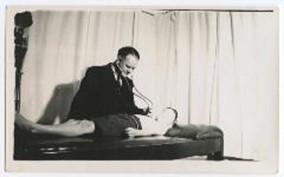
Dr Carl Streich examining a patient, c1950.
Early Medical Assistance
Before trained medical professionals arrived in the area, residents relied on the knowledge and skills of local community members. These individuals assisted with everything from childbirth and setting broken bones to preparing home remedies—offering vital care in the absence of formal medical services.
Between 1906 and 1919 several medical professionals either briefly ran a practice or lived in the district, though none established a permanent medial service. In 1908 a second deputation met with the State Government seeking financial assistance to attract a doctor or registered nurse. Their request was denied. Officials argued that Kelmscott was ‘only 20 miles from Perth and they had a good train service’. They also noted that a doctor recently subsidized in Armadale had left, unable to sustain a viable practice.
In 1910, the State Government amended the State Medical Act, allowing Road Boards to directly subsidize hospitals and resident medical officers. However, the outbreak of World War I delayed any major progress, and it was only after the war that the Road board was able to attract a doctor and several nurses to the district.
Hannah Mary Ann Buckingham ‘Mother of Kelmscott’
Born at Salters Point in 1851, Hannah married Thomas Buckingham at the age of 19 at St Mary’s Church in Kelmscott. In 1879, they settled on their property, Poplar, where they raised ten children and remained for the rest of their lives
Though she had no formal medical training, Hannah became a trusted and beloved figure in the community. Known affectionately as the “Mother of Kelmscott,” she served as the local midwife and nurse, offering care, comfort, and home remedies to those in need. Her knowledge, compassion, and tireless dedication made her an essential presence in a time when access to professional medical care was scarce.
Hannah passed away in 1919, witnessing the arrival of the district’s first formally trained doctor, midwives, and nurses, marking a new chapter in local healthcare.
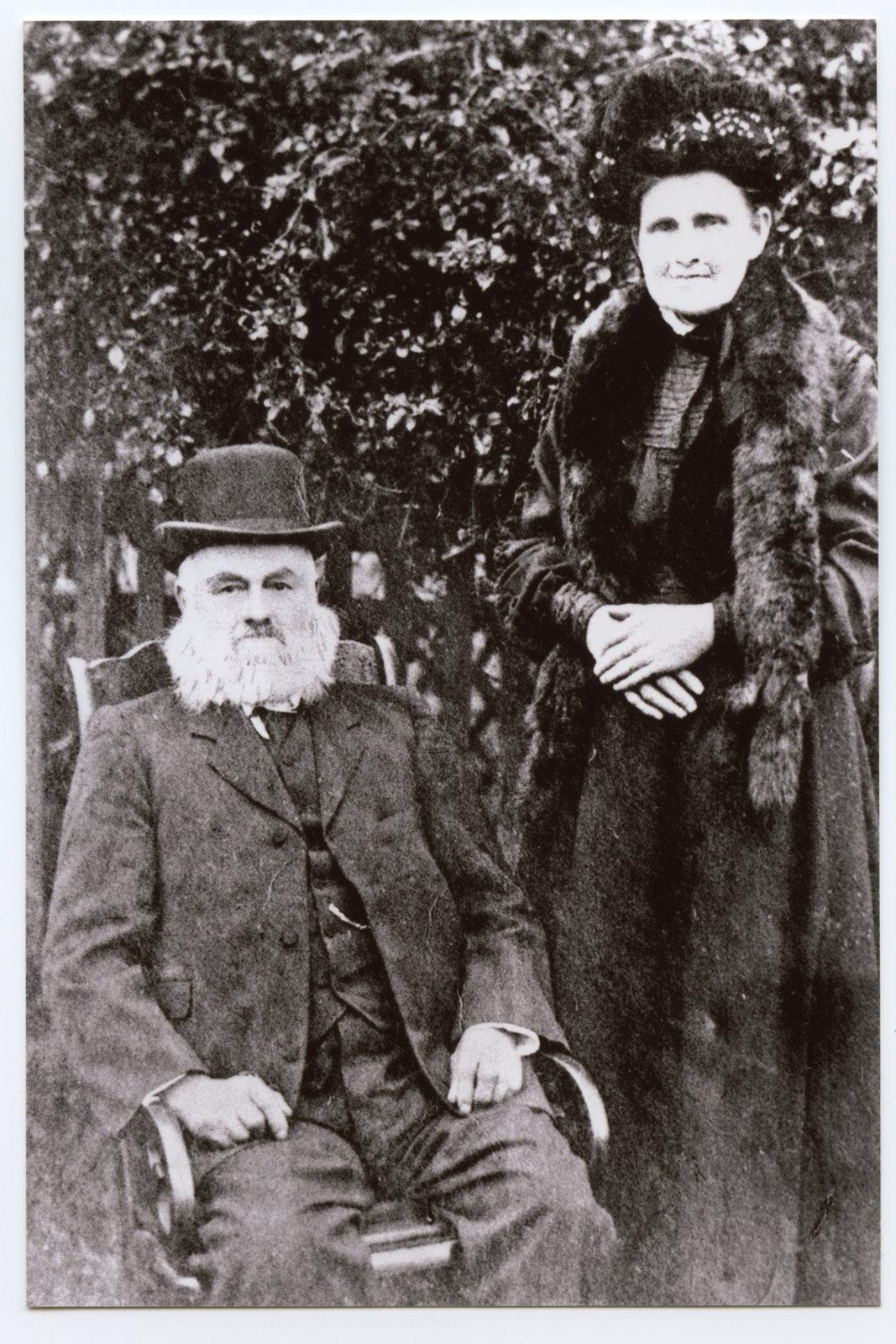
Hannah Mary Ann Buckingham with husband Thomas, c1900.
Mrs Elizabeth Stevens
Born in Toodyay, Elizabeth moved with her husband James to Paradise Farm on the Albany Road in the early 1870s. Together, they raised a large family—fifteen children, of whom ten survived past early childhood.
For many years, Elizabeth served as a midwife in the region, offering vital support to families during times of birth and illness. In 1912, she formally registered as a midwife, continuing her work well into old age. Remarkably, she remained active in her role until her 80th birthday.
Elizabeth passed away in 1928 at the age of 82. Her legacy is one of compassion, resilience, and dedication—qualities that made her a cornerstone of her community’s early healthcare history.
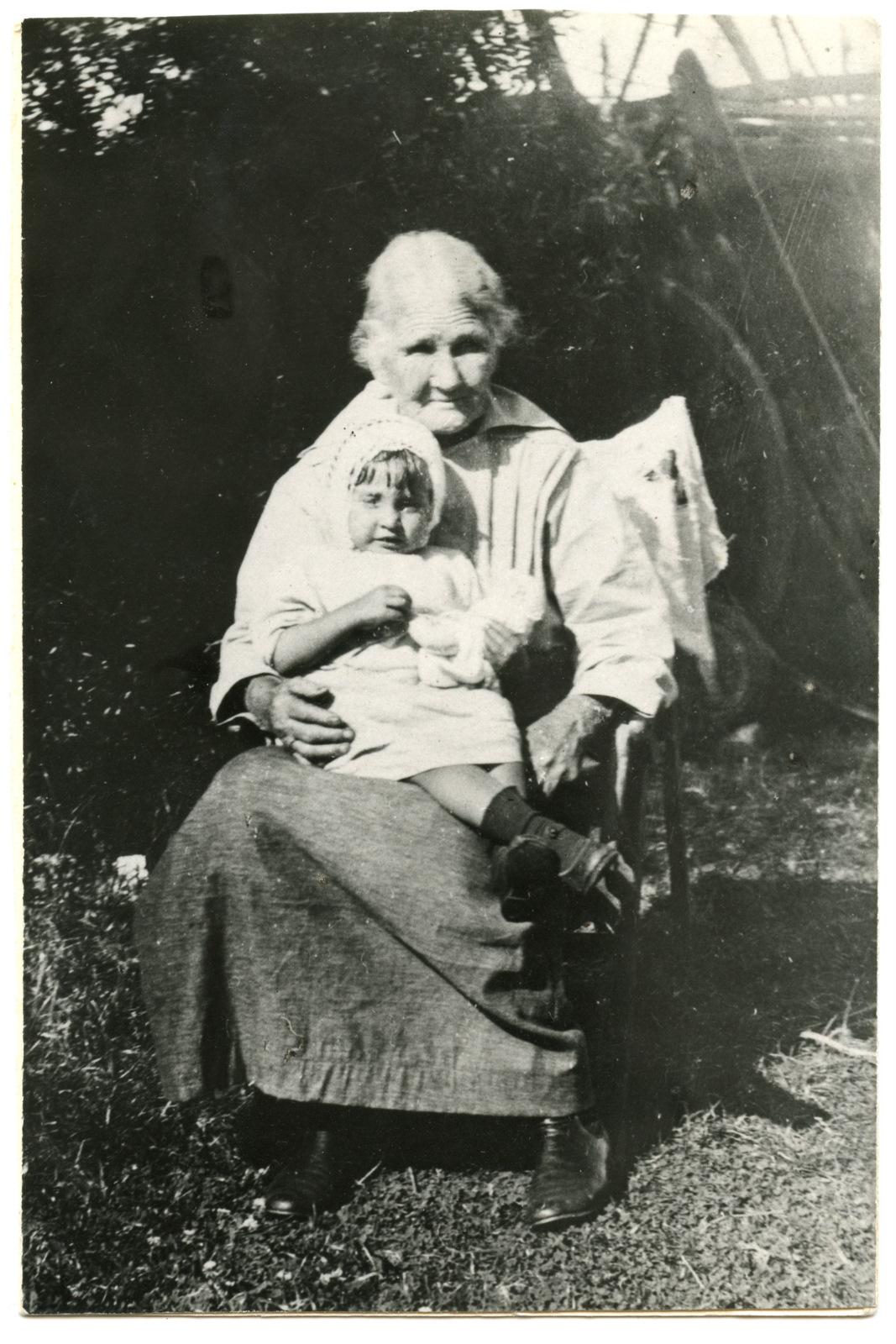
Mrs Elizabeth Stevens, 1928.
Dr Robert Henrietta Margaritta Jull
Dr. Roberta Jull moved to Armadale in 1903. A graduate of Glasgow University, she joined her brother’s practice in Guildford in 1896 Deeply concerned by the high infant mortality rate in Western Australia, she dedicated her career to improving healthcare for women and children.
In 1897, she opened her own practice in Perth, which she operated until 1917. Although she did not formally practice in Armadale, she helped residents when possible.
In 1913, Dr. Jull left Armadale and became a leading figure in social and medical reform for Western Australia. One of her biggest accomplishments was her successful campaign for the establishment of Infant Health Centres across the state.
Dr Roberta Henrietta Margaritta Jull with Martin Jull, c1909
Emmaline ‘Granny’ Bodicoat
In 1910, at the age of 57, Emmaline Bodicoat arrived in the Wungong district with her husband, settling at Weblyn Farm. Their son Joe had already made a home in the area, running a bootmaker’s shop in nearby Armadale
Though not formally trained, Emmaline became a respected and beloved midwife in the Wungong area, often staying with families after childbirth. Her reputation was so strong that Lois Turner, who had moved to Brookton after marriage, arranged for Emmaline to travel there to assist with the delivery of her first child.
In 1913, Emmaline officially registered as a nurse and continued to deliver babies across the region into the late 1920s. She passed away in February 1933, remembered with deep respect and affection by the many families whose lives she touched.
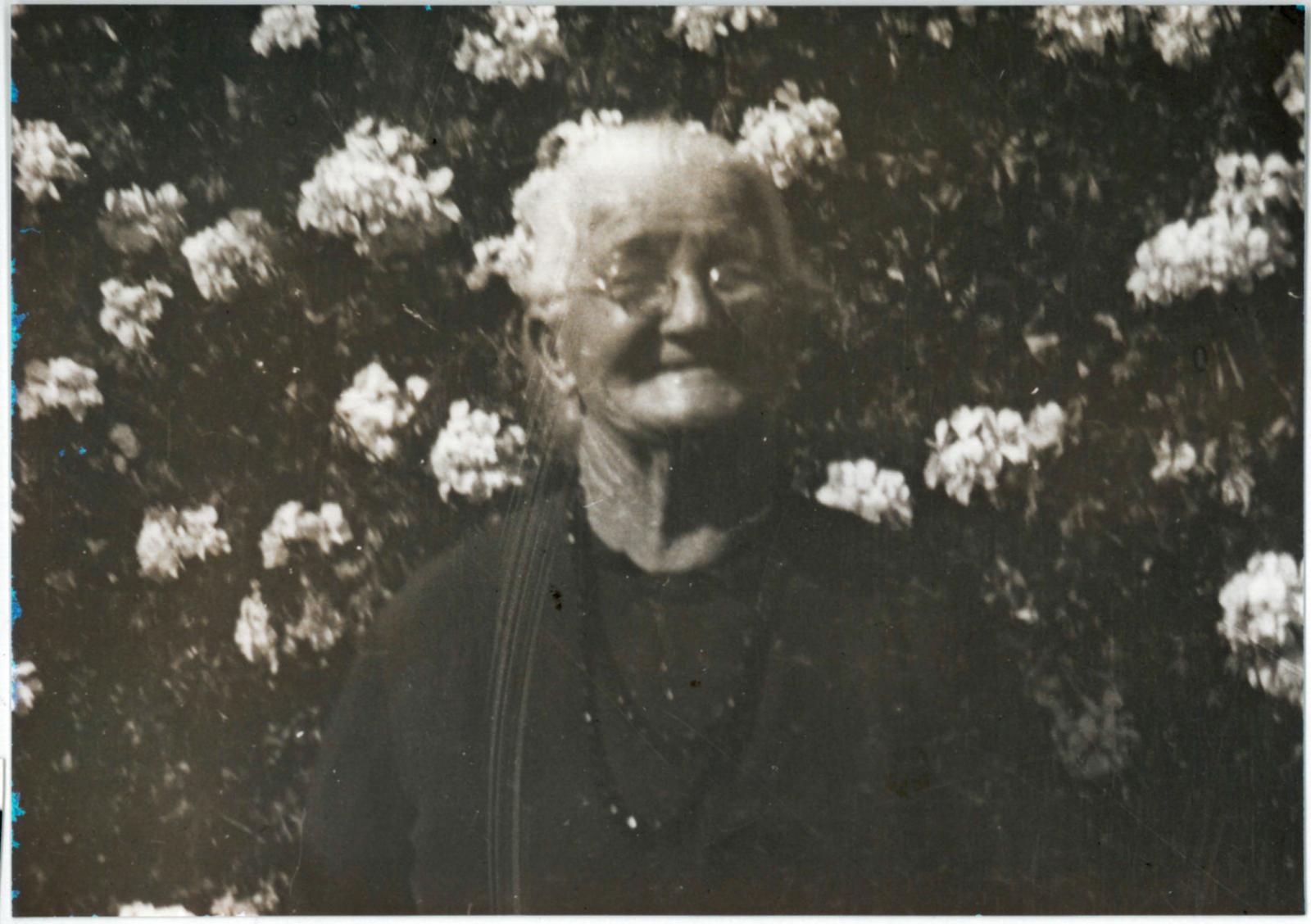
Emmaline Bodicoat, c1925.
Dr. Patrick Beveridge
The first doctor on record to open a practice in the district was a Dr. Beveridge in 1906. Originally from Brough, Westmoreland, England, his name appears in the Western Australian Post Office Directory and newspaper reports from the time.
Dr. Beveridge’s opened his practice in Armadale, but his time was brief, lasting only about three months. No further records of his activities in the area have been found, leaving only a short but intriguing entry in the history of early healthcare in the region.
Medical Case: Dr Beveridge
Although Dr. Patrick Beveridge’s stay in Armadale was brief, his presence was quickly felt. In August 1906, three of his cases made headlines, showcasing the value of having a local doctor—however fleetingly.
The first involved 14-year-old George Armstrong of Kelmscott, who was dragged by his horse after falling and becoming entangled in a stirrup. His father managed to catch the horse, and neighbour Mrs. Mary Atherton rushed to Armadale in her motor car to fetch Dr. Beveridge. Remarkably the doctor within a newsworthy 20 minutes to treat George’s cuts and bruises.
Soon after, Dr. Beveridge treated Squire Wood Taylor, a brickmaker at Coombe & Co’s brickworks, who had suffered two broken ribs in an accident. He also cared for Miss Lane of the Railway Hotel, who had sustained serious burns to her arm. In both cases, patients were reported to be recovering well under his care.
Though his time in the district lasted only a few months, Dr. Beveridge’s swift action and capable treatment left a lasting impression—one that underscored the community’s need for permanent medical services.
Midwife Harriet Briggs
In the early 1900s, Harriet and Thomas Briggs settled in Byford, where they ran a dairy farm and raised their family. Though there is no formal record of Harriet being trained or registered as a nurse or midwife, her natural compassion earned her a special place in the hearts of the local community
Harriet cared for the sick, assisted in the delivery of countless babies, and supported new mothers as they adjusted to life with their infants. Her dedication to the community earned her the title of "Mother of Byford." Harriet passed away in 1949 at the age of 77.
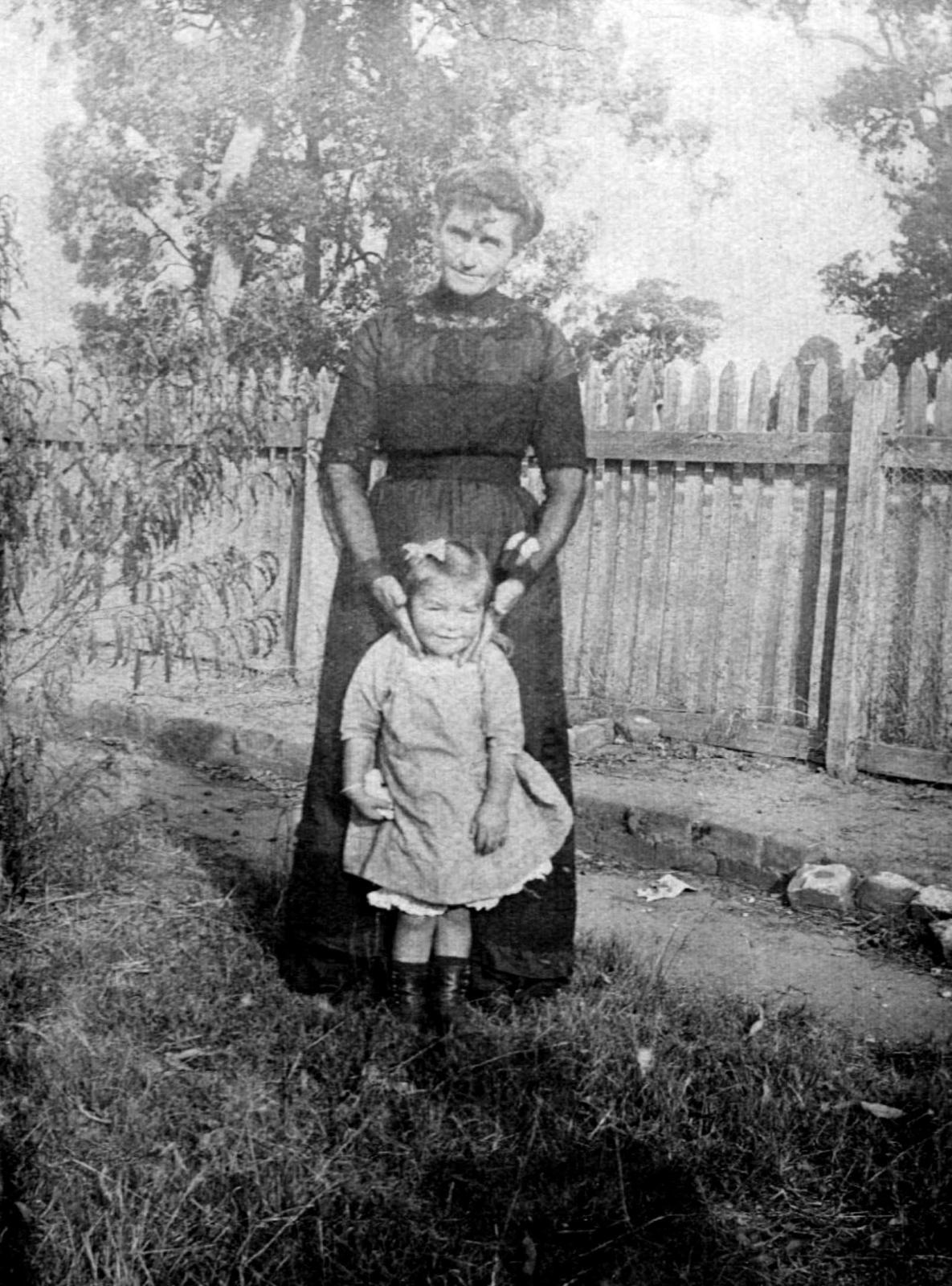
Harriett Briggs and her daughter Harriett Grace, c1914
Medical Care has arrived
In the 1910s, a new era in healthcare began for the district with the establishment of private maternity hospitals. Nurse Hannah Harper opened a facility in Kelmscott, while Nurse Jane Scott operated in Armadale. Following World War I, more maternity hospitals emerged, including those run by Nurse Lydia Millen in Kelmscott and Nurse Constance Trestrail in Roleystone.
Recognizing the growing need for more comprehensive care, the Armadale-Kelmscott Road Board took action. In 1924, with the support of local doctor Caleb Joyce—who had recently begun practicing in Kelmscott—they recruited Nurse Maud Bellas. With financial backing from the State Government and the Road Board, Nurse Bellas opened a hospital in Kelmscott in August of that year.
By 1928, the district’s healthcare network expanded again. The Road Board supported the establishment of a second hospital, operated by Nurse Lillian Beatrice “Trixie” Whitehead on Church Avenue in Armadale. This hospital would later grow into the Armadale-Kelmscott Memorial Hospital.
In 1929, Dr. Carl Ivor Streich arrived, followed by Dr. Noel Colyer in 1949. Both doctors served the community for many years, delivering babies, administering vaccinations, pulling teeth, treating ailments, and performing minor surgeries.
A major milestone came in 1964, when the Armadale-Kelmscott Memorial Hospital relocated to its current site on Albany Highway. It was upgraded to a fully funded public hospital, marking a new chapter in the delivery of accessible, professional healthcare for the region.
Nurse Hannah Norah Harper (1912-1921)
Born in 1850, Nurse Harper worked as a nurse in Melbourne and New Zealand before moving to Western Australia in 1903 to work at the Leonora Hospital. When registration of nurses was introduced in Western Australia in 1912, she was one of the first to register.
That same year, Nurse Harper moved to Kelmscott and established one of the district’s first private maternity hospitals, located on River Road—now 24 Brookton Highway. Her hospital provided essential care to women and newborns at a time when professional medical services were still scarce in the area. The hospital remained in operation until 1922.
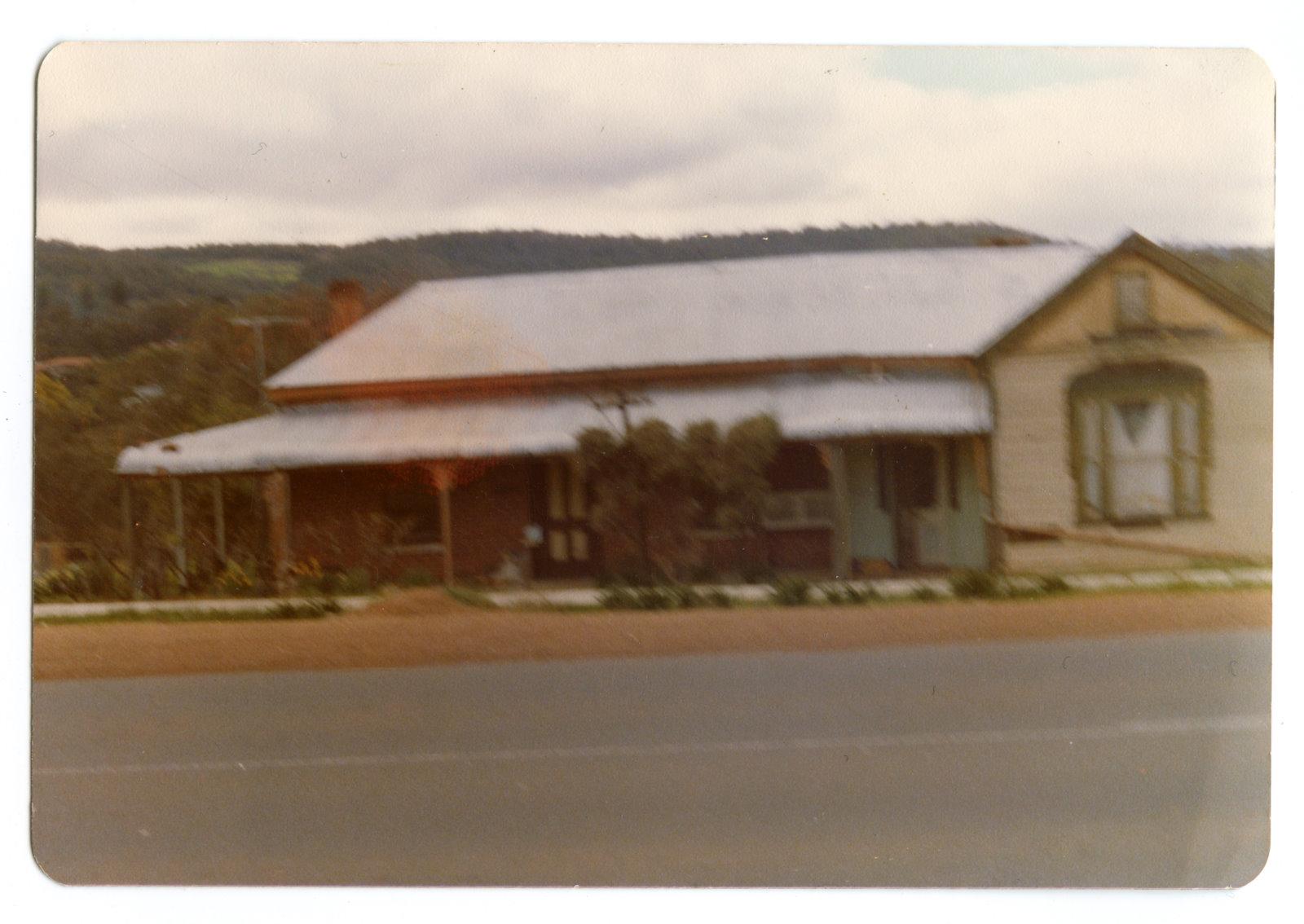
The house that was Nurse Harpers Private Maternity Hospital, c1970s.
Dr Henry Mitchelle Benson 1911-1915
Between 1907 and 1911 the only doctor known to briefly establish a practice in Armadale during this time was Dr. Robert Frost, who arrived in 1908. For most residents, seeking medical help still meant travelling to Perth or waiting for a doctor to make the journey out to the district.
In 1911, a turning point came with the arrival of Dr. Benson, who set up a practice in Kelmscott. Recognising the growing need for medical services, he approached the Armadale-Kelmscott Road Board for financial assistance. However, the Board regretfully informed him that they were not in a position to offer a subsidy.
Despite the lack of financial support, Dr. Benson remained in the district, sustained by the steady demand for his services. He played a key role in local public health efforts—most notably in 1913, when he administered smallpox vaccinations following an outbreak of the disease in the Eastern States.
In 1915, Dr. Benson moved on his practice to Katanning, but his contribution during those formative years laid the groundwork for future medical care in the region.
Medical Case: Thomas Serventy
In September 1912 Dr Benson attended the accidental shooting of Thomas Serventy, age three, by his twin sister Annie. The children had found a small revolver in their Armadale home and thinking it was a toy started playing with it, resulting in Thomas getting shot in the shoulder. Dr Benson was called and was able to stem the bleeding but was unable to find the bullet. He ordered Thomas be sent to the Children’s Hospital in Perth where he was X-Rayed, and the bullet found and removed.
The Serventy Family, c1918.
Thomas is on the far left and his twin sister Annie is on the far right. Also in the photo, left to right, Lucretia, Vincent (seated), John (Vincent’s lap), Nicholas (seated on floor), Domenic, Noel (seated), Annie (seated) and Natalie.
Medical Case: Frederick Davis
In April 1912, a family camping trip in the hills above Armadale ended in tragedy. Seven-year-old Frederick Davis and ten-year-old Frederick Dickson were enjoying the outing together when a terrible accident occurred.
The boys had brought along a pea rifle, and when a cartridge became stuck, young Davis attempted to remove it. For better leverage, he pressed the barrel against his abdomen. In the process, the cartridge discharged, and Davis was shot at close range.
He was rushed to the Narrogin Inne, where Dr. Benson—the only practicing doctors in the district—provided emergency care. Davis was later transferred to a local hospital and continued to receive treatment from Dr. Benson. Despite their efforts, Frederick succumbed to internal haemorrhaging and passed away on 23 April 1912.
Dr Caleb Joyce
Dr. Caleb Joyce arrived in Kelmscott from Pinjarra in early 1924 and, over the next four years, played a pivotal role in shaping local healthcare services.
Soon after his arrival, the Armadale-Kelmscott Road Board enlisted his help to recruit a qualified nurse and midwife for the district. Thanks to his efforts, Nurse Maude Bellas was appointed, and by August 1924, she had established a private hospital in Kelmscott—an important milestone in improving access to medical care for local families.
That same year, Dr. Joyce was elected to the Road Board as Kelmscott’s representative. Though he served only one term, he continued to be a valued advisor to the Board, offering recommendations on subsidising Nurse Bellas’s hospital and advocating for the establishment of a Government Hospital in the district.
In 1927, the Road Board invited Dr. Joyce to take on the role of Health Inspector, a position he respectfully declined.
By 1929, Dr. Joyce had moved on from Kelmscott, taking up a post at the Onslow Government Hospital.
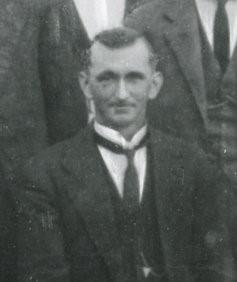
Dr Caleb Joyce, 1924.
Nurse Maud Lizzie Bellas (nee Laverick)
Born in England in 1874, Maud Bellas migrated to Western Australia in 1913 with her three children following the death of her husband in 1911. Determined to build a new life, she became part of the first class of nurses trained at the newly established King Edward Memorial Hospital.
After earning her midwifery certificate, Maud worked at the hospital for eight years, gaining valuable experience that would soon benefit the residents of Kelmscott.
n 1924, Maud was recruited by the Armadale-Kelmscott Road Board to establish a private maternity hospital in Kelmscott. With the help of a Public Health Department subsidy, the hospital opened on 23 August 1924 on Albany Highway, directly opposite the Kelmscott train station. By 1928, she had also secured a general hospital license, allowing the facility to expand its services to the broader community.
In 1927, while advocating for continued Road Board support, Nurse Bellas proudly reported that her hospital had treated 41 maternity and general cases over the previous year—all without a single fatality. However, in 1928, the opening of a new private hospital in Armadale by Lillian Maud “Trixie” Whitehead led to her subsidy being halved. Despite the setback, Maud continued to operate her hospital for several more years before retiring to Roleystone.
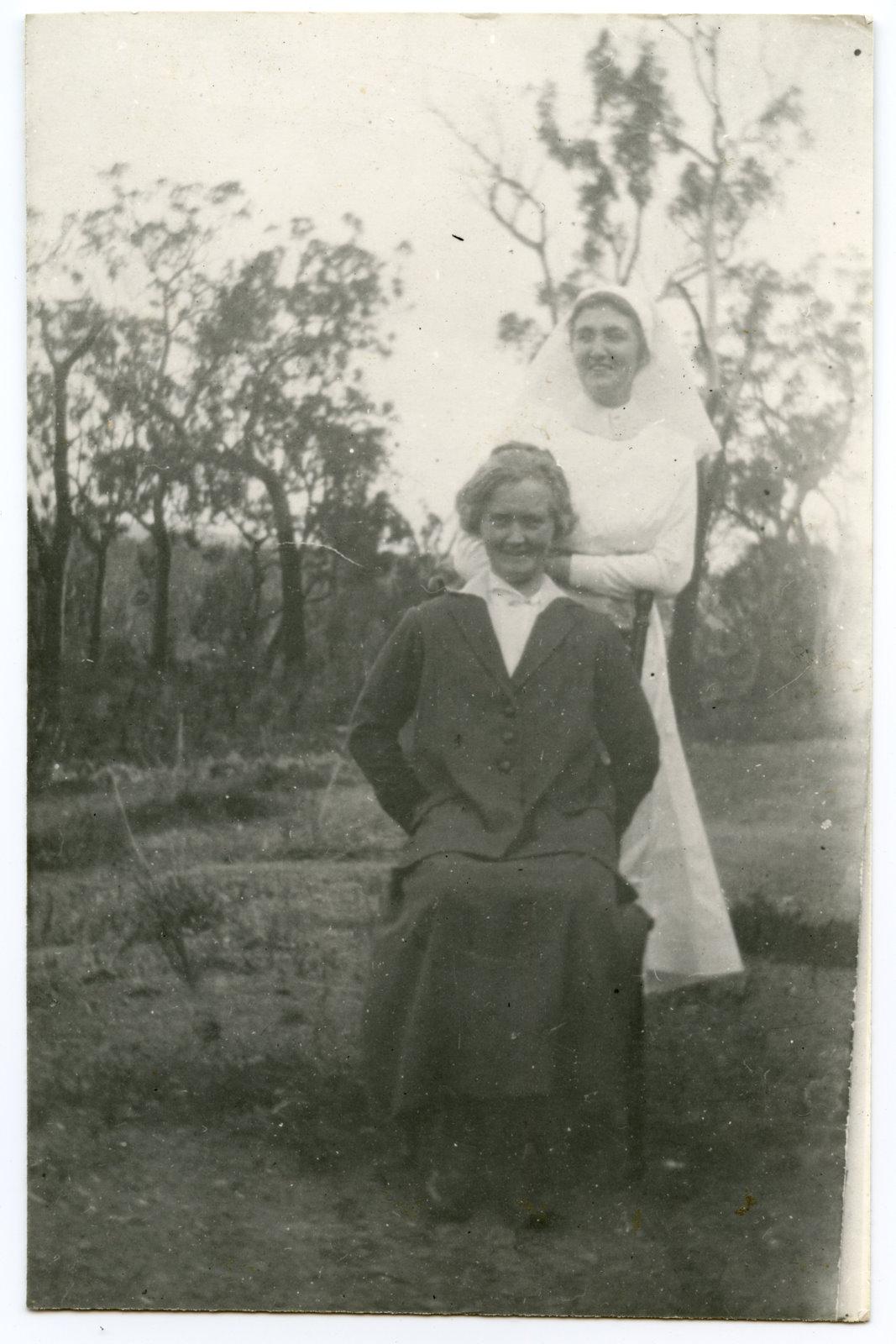
Sister Maud Bellas standing behind a friend, c1925.
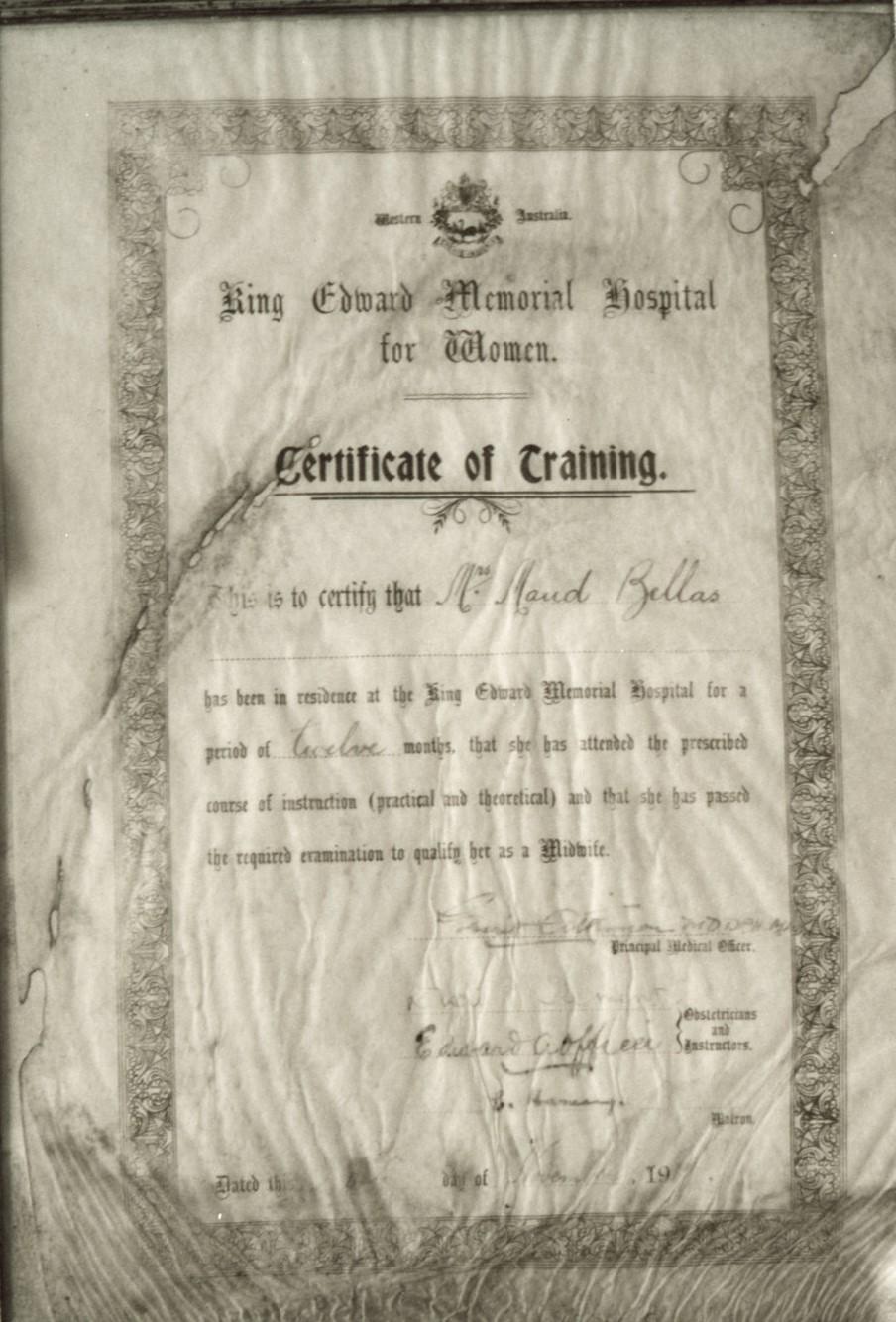
Photograph of Mrs Maud Bellas’s Certificate of Training from King Edward Memorial Hospital for Women, November 1917.
Maud received her official registration as a midwife and nurse on 7 February 1918.
Dr Carl Ivo Streich
Born and educated in South Australia, Dr. Carl Ivor Streich arrived in Kelmscott in 1928 to take over the practice of Dr. Caleb Joyce. At a time when doctors were scarce in regional Western Australia, Dr. Streich often travelled great distances, sometimes as far as Narrogin and the Peel region, to provide medical care to those in need.
During the 1930s depression, many of Dr. Streich's patients couldn't pay, so he bartered his services for food and labour. He provided general medical care, minor surgery, basic dental work, and even assisted with midwifery and injured animals. Dr. Streich expanded his practice to include offices in Gosnells and Byford and he performed surgeries at Jarrahdale Hospital, collaborating with Dr. Noel Colyer.
In the early 1950s, Dr. Streich played a critical role in managing the local response to a polio outbreak. He led public health efforts focused on hygiene, isolation, and preparation for mass immunization. Thanks to his leadership, the community was ready to launch a vaccination campaign as soon as the Salk polio vaccine became available in 1955.
Tragically, Dr. Streich passed away in 1956, just before the campaign began. In recognition of his service, the Rehabilitation and Aged Care Unit at the Armadale-Kelmscott Memorial Hospital, as well as Streich Avenue in Kelmscott, were named in his honour.
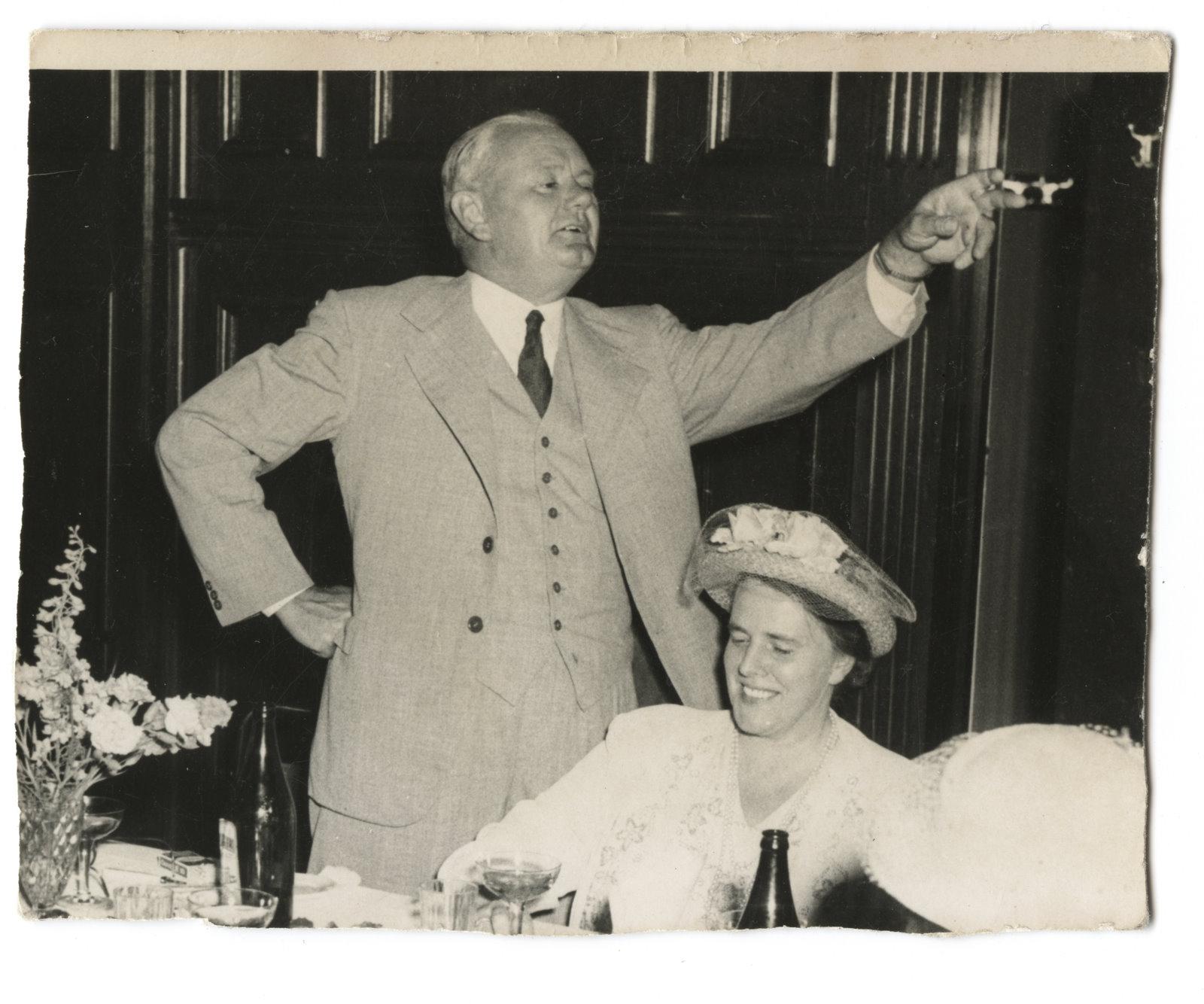
Dr. Carl Streich Speaking at a Function, c. 1950
Dr. Carl Streich is pictured speaking at an event, with his wife Katherine by his side. The couple met during his medical studies in England in the early to mid-1920s and married in 1926. They had three children, including their daughter Margaret, who trained to become a nurse.
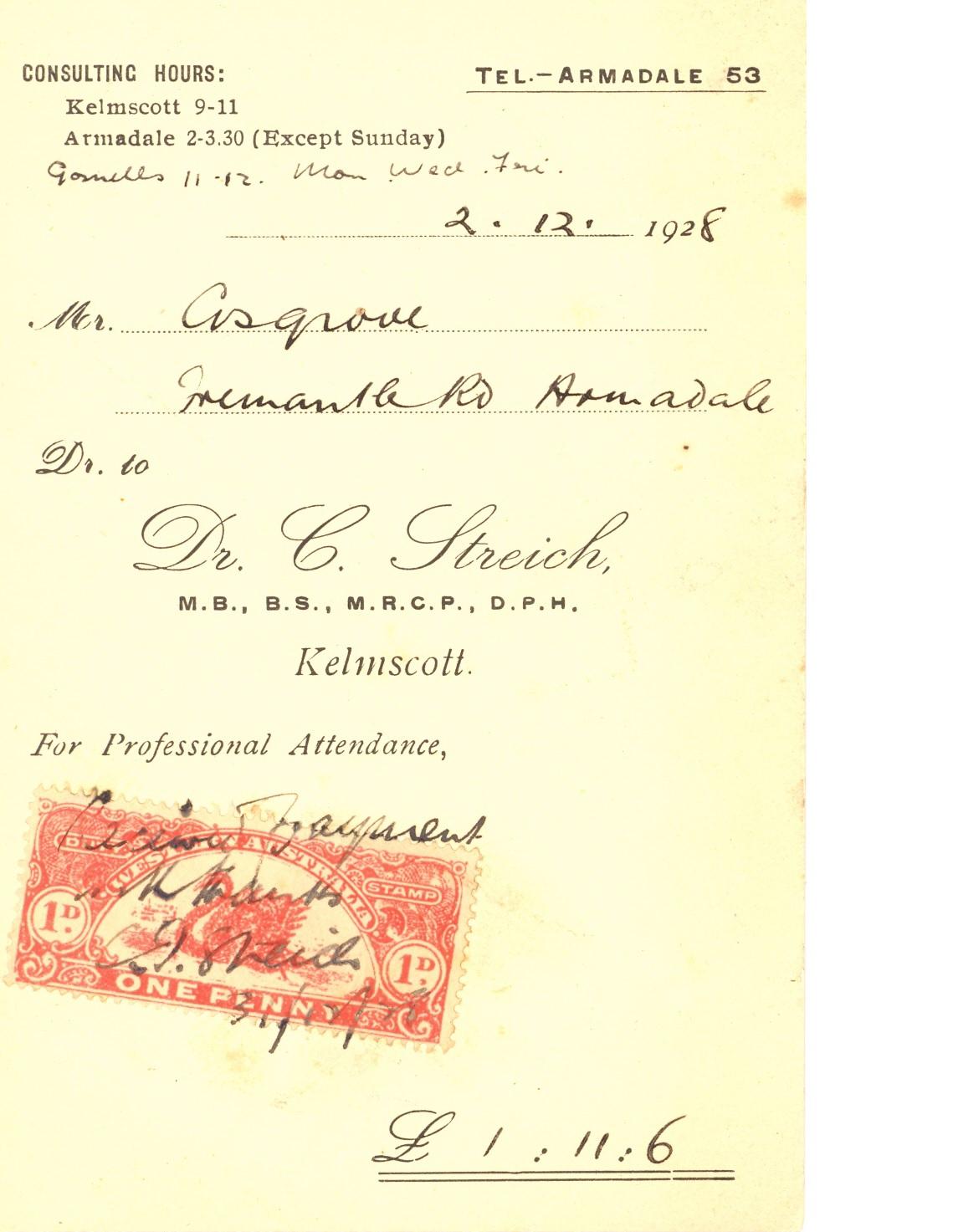
Receipt of payment from Mrs Asgrove of Armadale for a consultation with Dr Streich, 2 December 1928.
Medical Case: Diphtheria Immunisation
In 1937, Dr. Carl Streich, together with Mr. L. Millen, the health inspector for the Canning, Gosnells, and Armadale-Kelmscott Road Boards, led a major public health initiative to combat diphtheria—a serious bacterial infection that had claimed more than 4,000 lives in Australia between 1926 and 1935, many of them children.
With strong support from the local Road Board, Dr. Streich and Mr. Millen organised immunization clinics at local schools. Vaccinations were offered to students and young children with parental consent.
By the end of 1937, nearly 1,000 children in the area had been vaccinated. Only 22 cases of diphtheria were reported that year—most among children who had not been immunized. The campaign continued into 1938, reaching an additional 690 children.
The success of this initiative laid the groundwork for future public health efforts. Throughout the 1940s and 1950s, the Road Board, in collaboration with the State Health and Education Departments, expanded immunization programs to include vaccines for tetanus and whooping cough, helping to safeguard the health of future generations.
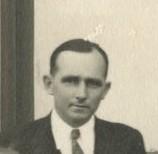
Mr. Leslie Thomas Watt Millen, Health Inspector for the Armadale-Kelmscott Road Board, 1938
In 1937, Leslie Millen was appointed as the health inspector for the Armadale-Kelmscott, Gosnells, and Cannington Road Boards. By 1947, he became the full-time health inspector for the Armadale-Kelmscott Road Board. He left the position in November 1948, and in 1954, he was living in Cannington, working as a clothing manufacturer.
Sister Whitehead’s Hospital
In 1927, qualified nurse Lillian Beatrice “Trixie” Whitehead arrived in Armadale with a vision—to establish a much-needed private hospital. Originally from South Australia, she had moved to Western Australia in 1923. With support from the Armadale-Kelmscott Road Board and the State Government, her plans began to take shape.
Construction of the hospital began in 1928 on Church Avenue. Designed to accommodate five patients, it featured a surgery, consulting rooms, kitchen, and dining area. Although it officially opened on 16 October 1928, the hospital had already been operating for several months, recording its first birth—Betty Mavis Godfrey—on 21 April.
In 1946 Sister Whitehead sold the hospital to the Armadale Kelmscott Road Board for £2,500 and retired. It was renamed the Armadale-Kelmscott Memorial Hospital, and soon expanded with new beds, a dedicated maternity ward, and an operating theatre.
As the local population grew, the Road Board purchased 14 acres on Albany Highway in 1958. A new hospital opened there on 7 March 1964, with management officially transferring to the State Government later that year. The original Church Avenue site continued as a maternity annex until 1968, later serving as a State Disability Services hostel until its closure in 2001.
Sister Whitehead continued to live in Armadale and occasionally returned to assist as acting matron. She passed away in 1962 at the age of 79. Whitehead Street in Armadale stands as a lasting tribute to her contributions to local healthcare.
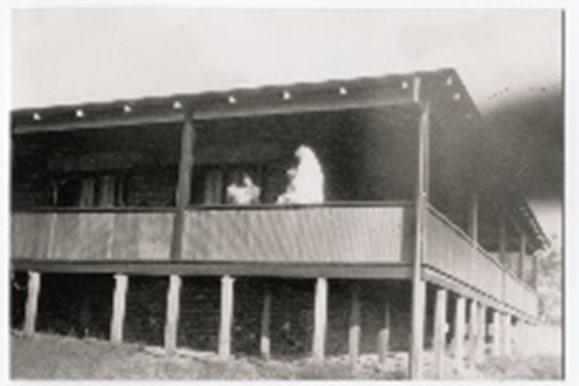
Sister Whitehead’s Private Hospital on Church Avenue, c. 1928
Sister Whitehead is pictured on the balcony with a patient holding a newborn baby.
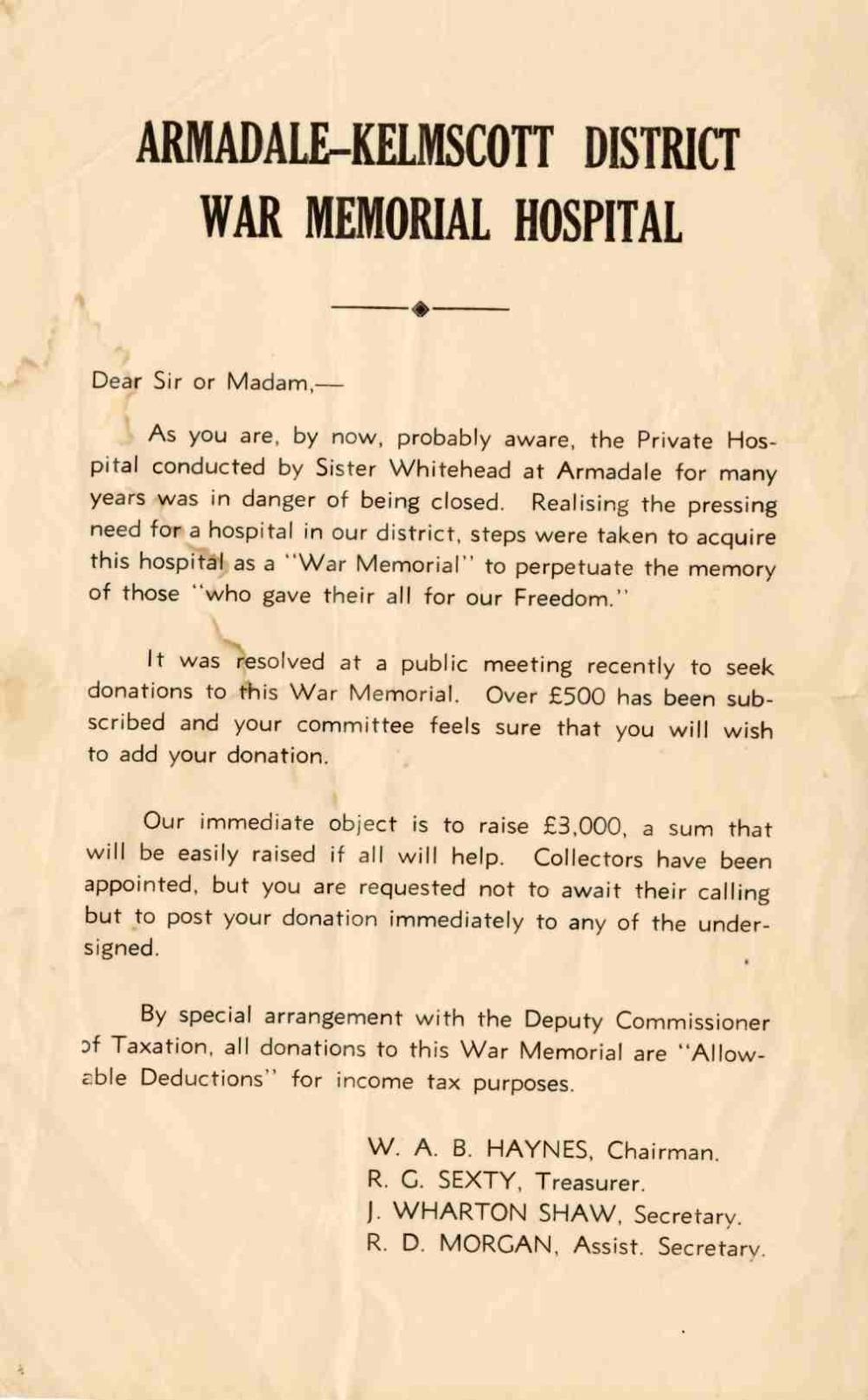
Fundraising pamphlet to purchase Sister Whitehead’s hospital, 1946.
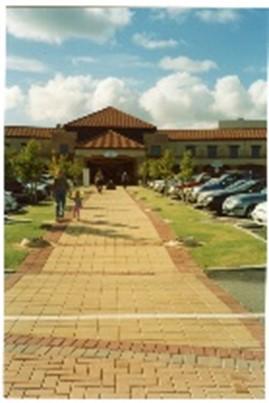
Entrance to the Armadale-Kelmscott Memorial Hospital on Albany Highway, c. 2001
The Gerald Darwin sculptures are visible on either side of the path leading to the hospital entrance.
Nurse Edna Early Brady (nee Marsh)
Edna Marsh was born in Wungong in 1902, growing up in the area before marrying Edward Brady in 1931 at St Matthew’s Church in Armadale. Edna completed her nurse training in 1930.
After working in Perth and Pinjarra, Nurse Brady was appointed matron of the Armadale-Kelmscott Memorial Hospital in 1946. During her 12-month tenure, the hospital delivered a record 95 babies. She briefly returned to the role in 1949 before relocating to Victoria with her daughter Elva to run a private hospital in Mentone
Nurse Brady was well regarded in the district for her work as a nurse at the Royal Australian Armament Depot in Byford and her voluntary work with the local branches of the Red Cross and the Country Women’s Association, often running first aid classes for their members.
Nurse Olive Galliers
Born in Narrogin in 1919, Olive Galliers began her nursing career in 1942. After gaining experience in Bunbury and Kalgoorlie, she completed her midwifery training in 1944 and spent the next 14 years working in hospitals across Western Australia.
In 1958, she was appointed Matron of the Armadale-Kelmscott Memorial Hospital. Under her leadership, the hospital relocated to its new site on Albany Highway in 1964. By then, she was overseeing a staff of 95 and 82 beds. When she retired in 1984, those numbers had more than doubled, reflecting the hospital’s growing role in the community.
Nurse Galliers is also remembered for her work with Dr. Noel Colyer to launch a local Meals on Wheels service, using the hospital kitchen to support residents in need. Her dedication is honoured in the naming of Galliers Park and Galliers Street in Armadale.
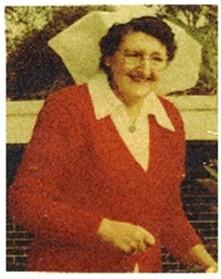
Nurse Olive Galliers in uniform, c1970s.
Dr Noel Maxwell Colyer
Born in Sydney and trained in Melbourne, Dr. Noel Colyer moved to Western Australia in the 1940s, working first at Fremantle Hospital. In 1947, he accepted a position at Jarrahdale Hospital and soon after opened a part-time practice in Armadale.
By 1955, Dr. Colyer had moved permanently to Armadale, establishing a full-time practice on Jull Street with Dr. Barney O’Brien. He also served nearby communities with clinics in Byford, Serpentine, and Mundijong, while continuing part-time work at Royal Perth Hospital, treating rheumatism.
A long-serving medical officer in the Citizens Military Force, Dr. Colyer was also deeply involved in first aid education, supporting the local St John Ambulance branch. In the 1970s, he founded the Hills Medical Group, helping to bring more doctors to the growing region.
After retiring in 1980, he continued to work part-time until 1985. His legacy is honoured with a surgical ward named after him at Armadale Kelmscott Memorial Hospital, and Colyer Street in Mount Richon.
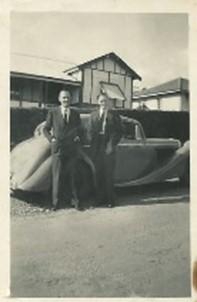
Dr. Noel Colyer (left) and Dr. John ‘Barney’ O’Brien on William Street, Armadale, c. 1955
In 1955, Dr. Colyer and Dr. O’Brien shared a practice on Jull Street, Armadale, before Dr. O’Brien established his own practice, also on Jull Street. In 1956, following the death of Dr. Streich, Dr. O’Brien took over the district’s polio immunisation clinics. He also spent time working in Jarrahdale. Between 1976 and 1981, Dr. O’Brien served as a Councillor for the Shire of Armadale-Kelmscott.
Infant Health Centres
In 1913, Western Australia had one of the highest infant mortality rates in the Commonwealth, with 72 deaths per thousand infants. Inspired by successful Infant Health Centres in New Zealand and New South Wales, the first centres opened in North Perth and Leederville in 1923.
Over the next 17 years, more centres were established, including Kelmscott in 1940 and Armadale in 1949. The centres offered free support to pregnant women and new mothers, helping reduce the infant mortality rate to 25 deaths per thousand by 1949. In 1956, the Armadale centre, led by Sister Darby, took a major step by purchasing a van to offer mobile health services to remote areas.
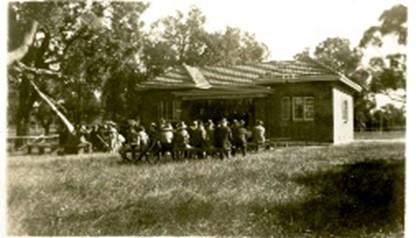
The Opening of the Kelmscott Infant Health Centre, 31 August 1940
The Kelmscott Infant Health Centre was officially opened by the Assistant Minister for Employment, Mr. E.H. Grey, with Sister Irene Nellie Boylson, a registered midwife and nurse since 1930, serving as the nurse in charge. The centre, established at a cost of £487, included a waiting room, a clinic room, a prenatal room, and an office for the sister in charge.
St John Ambulance
Several incidents of injured people waiting hours for an ambulance from Perth prompted the formation of the Armadale Sub-Branch of the St John Ambulance Association in 1951. Established to serve the growing Armadale-Kelmscott and Serpentine-Jarrahdale districts, the service allowed local residents to subscribe for free ambulance transport to Perth or nearby hospitals.
In its first year, the sub-branch purchased a second-hand Chevrolet ambulance, which responded to 109 calls and travelled over 9,600 km in just nine months. By 1953, it had handled 240 calls, covering nearly 19,000 km. A new ambulance was purchased in 1954, thanks to the efforts of dedicated fundraisers.
Beyond emergency transport, the sub-branch also offered first aid and home nursing courses. These were initially taught by Frank Snowling and later by Dr. Noel Colyer. Operated entirely by volunteers until 1967, the service didn’t employ full-time staff until 1981.
In 1961, a purpose-built ambulance hall was opened on Hobbs Drive and Coombe Avenue, providing facilities for training and housing ambulances. In 2017, a new $3.5 million facility opened in Kelmscott, marking a new chapter for local emergency care. The original hall was demolished in 2021.
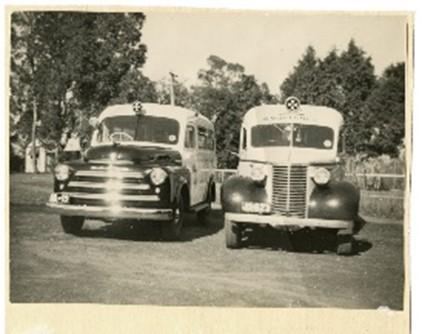
The original Chevrolet ambulance on the right and the new Dodge ambulance on the left, c1954. Mori C.
Medical Case: Slow and lost ambulances
Reliance on Perth-based ambulances posed challenges due to unfamiliarity with the local area. In 1929, a St John Ambulance was called to transport Edward Pemberton, seriously injured by a truck, to Perth Hospital. Despite the urgency, it took over four hours for the ambulance to arrive, and Pemberton died that night. While the delay may not have directly caused his death, it certainly did not help.
In August 1950, following a fatal road accident at the intersection of Bunbury Road and William Street, a Perth-based St John Ambulance took a wrong route due to unfamiliarity with the area. The driver continued over 9km past the correct turn, delaying the response and complicating the rescue.
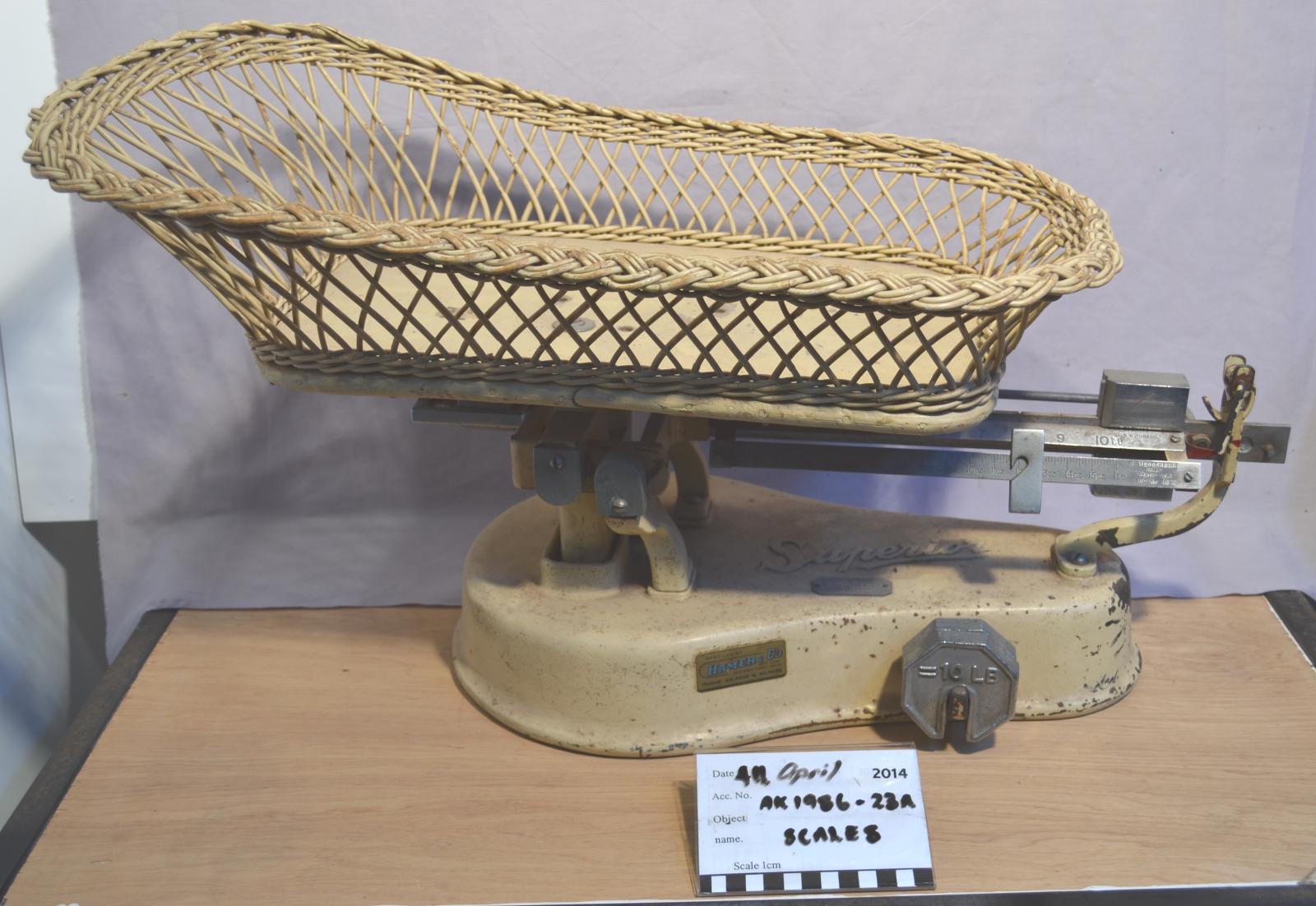
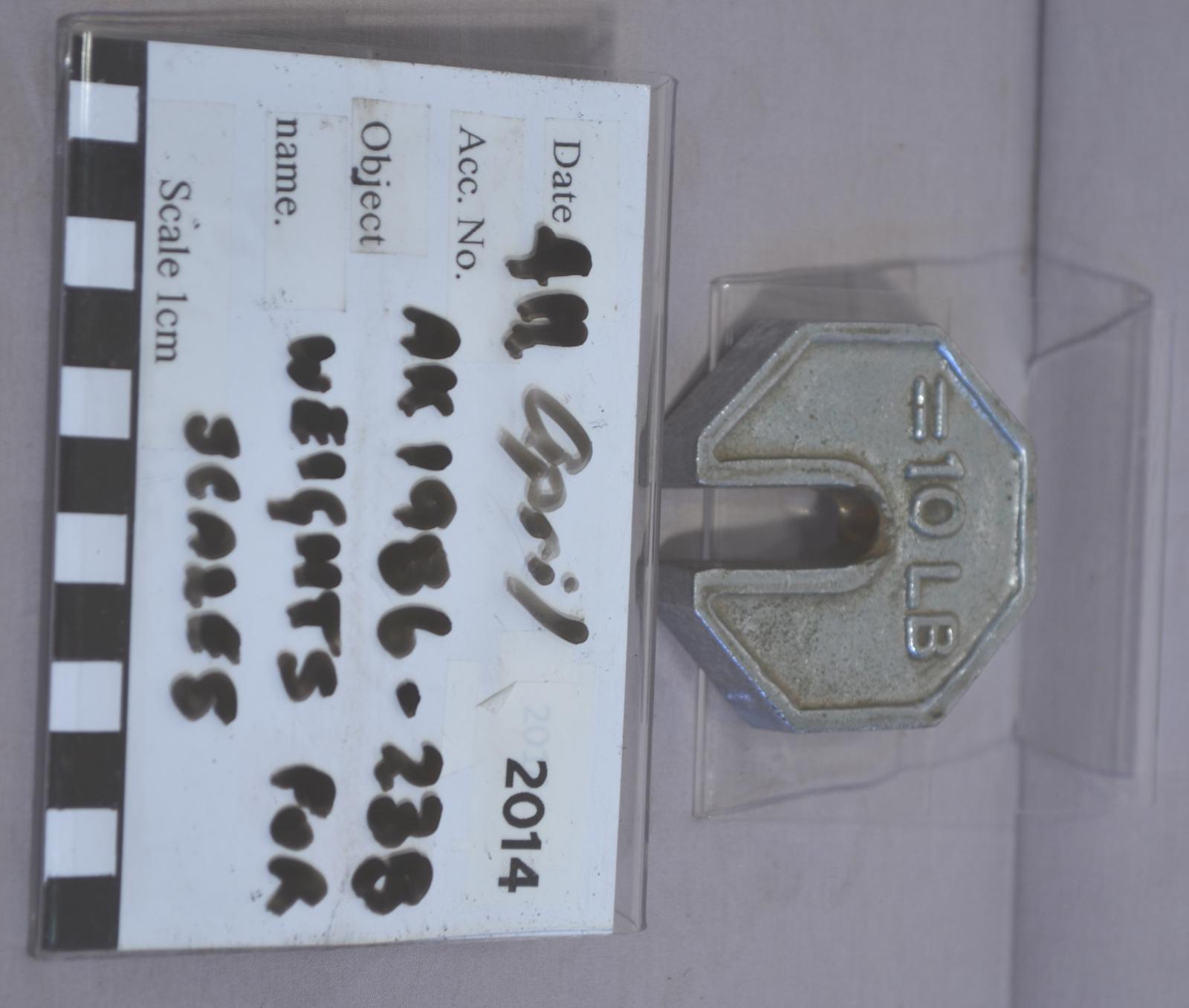
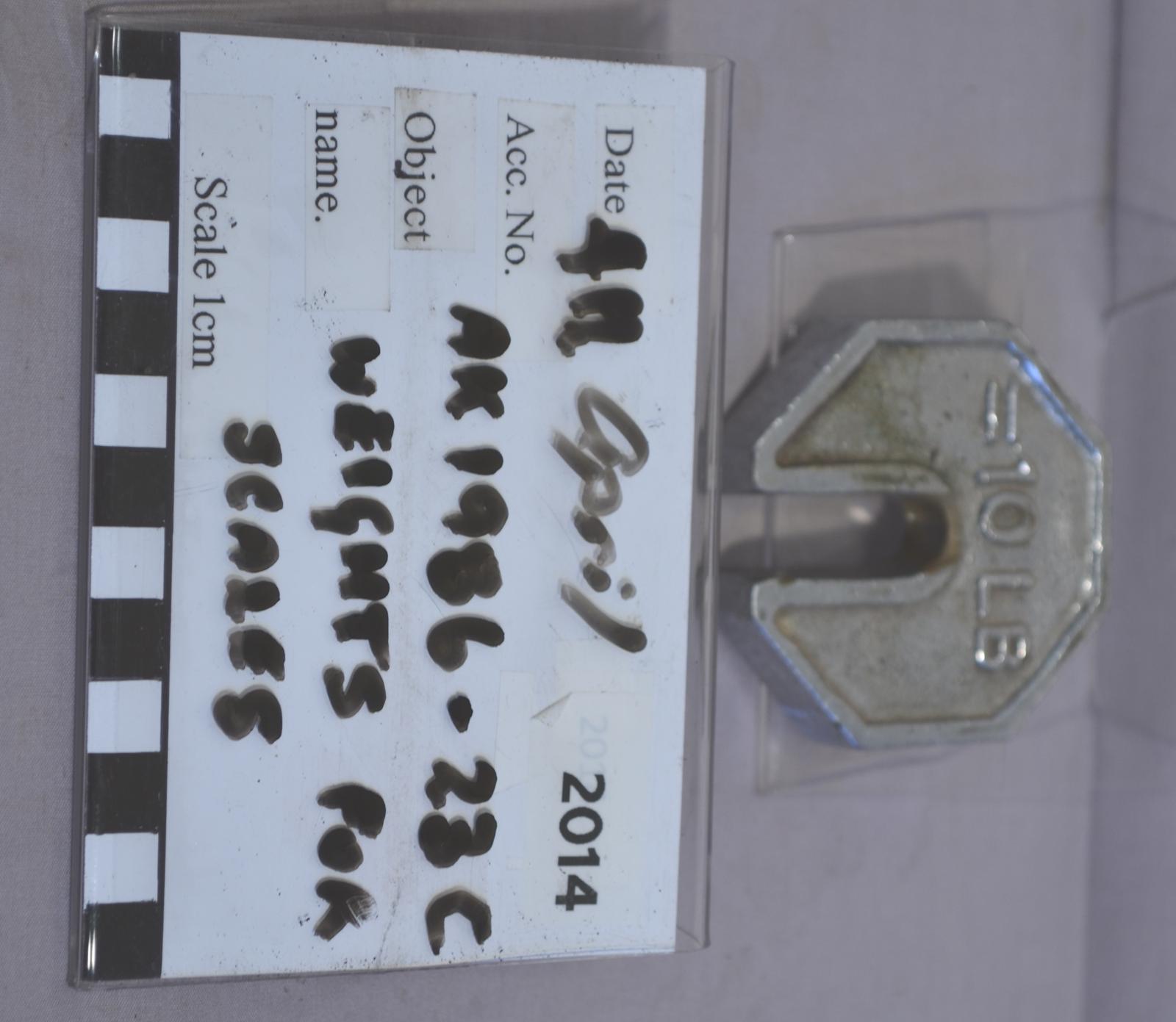
Superior Baby Scales, used at the Armadale Infant Health Centre, c. 1950s
These baby weighing scales were donated by the Western Australian Lotteries Commission to the Armadale Infant Health Centre. The Centre was officially opened by the Minister for Health, Mrs. Cardell Oliver M.L.A., on 12 November 1949. Its first patient was newborn Susan Wright, with Sister P. Ashton serving as the nurse in charge.
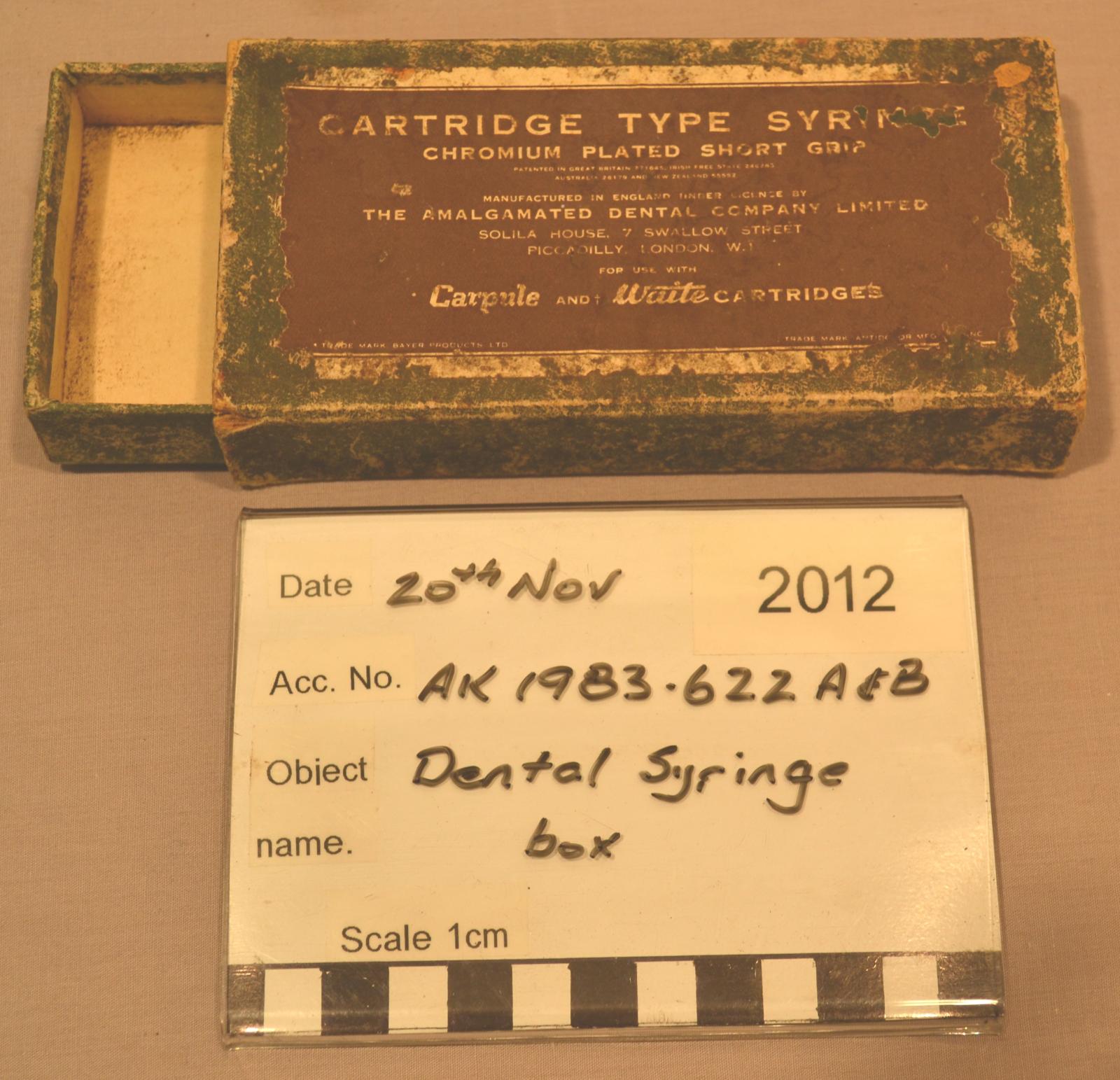
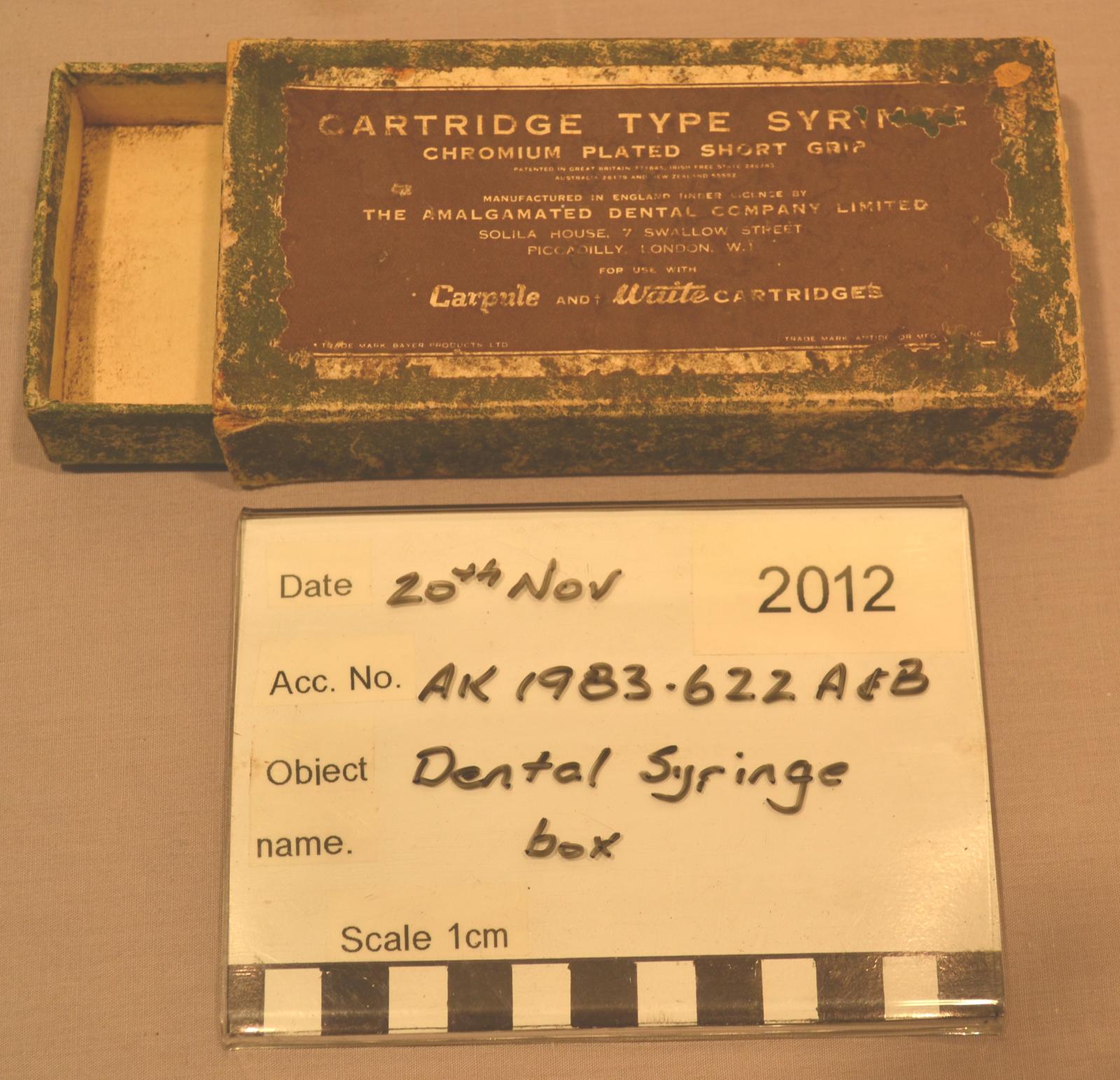
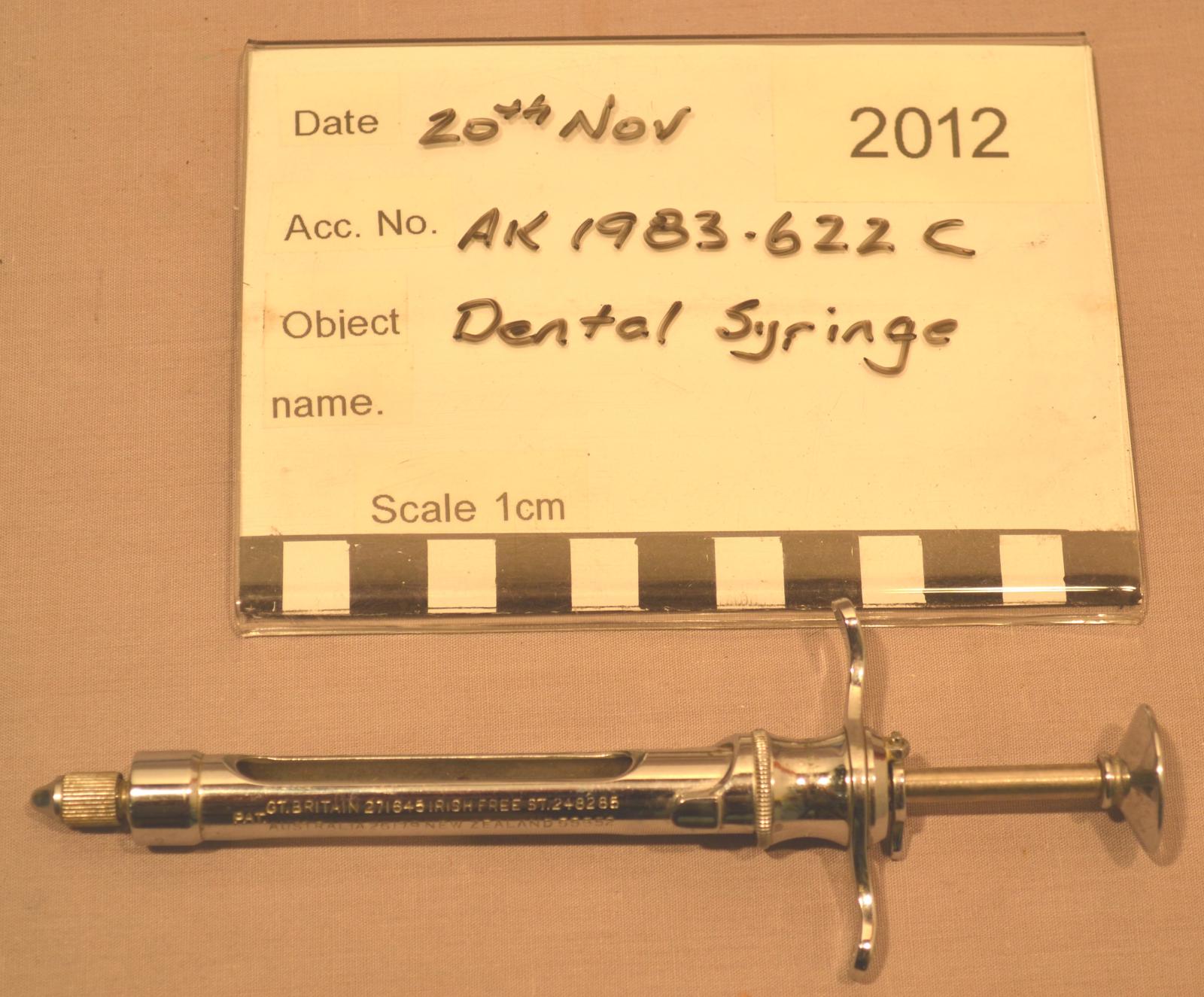
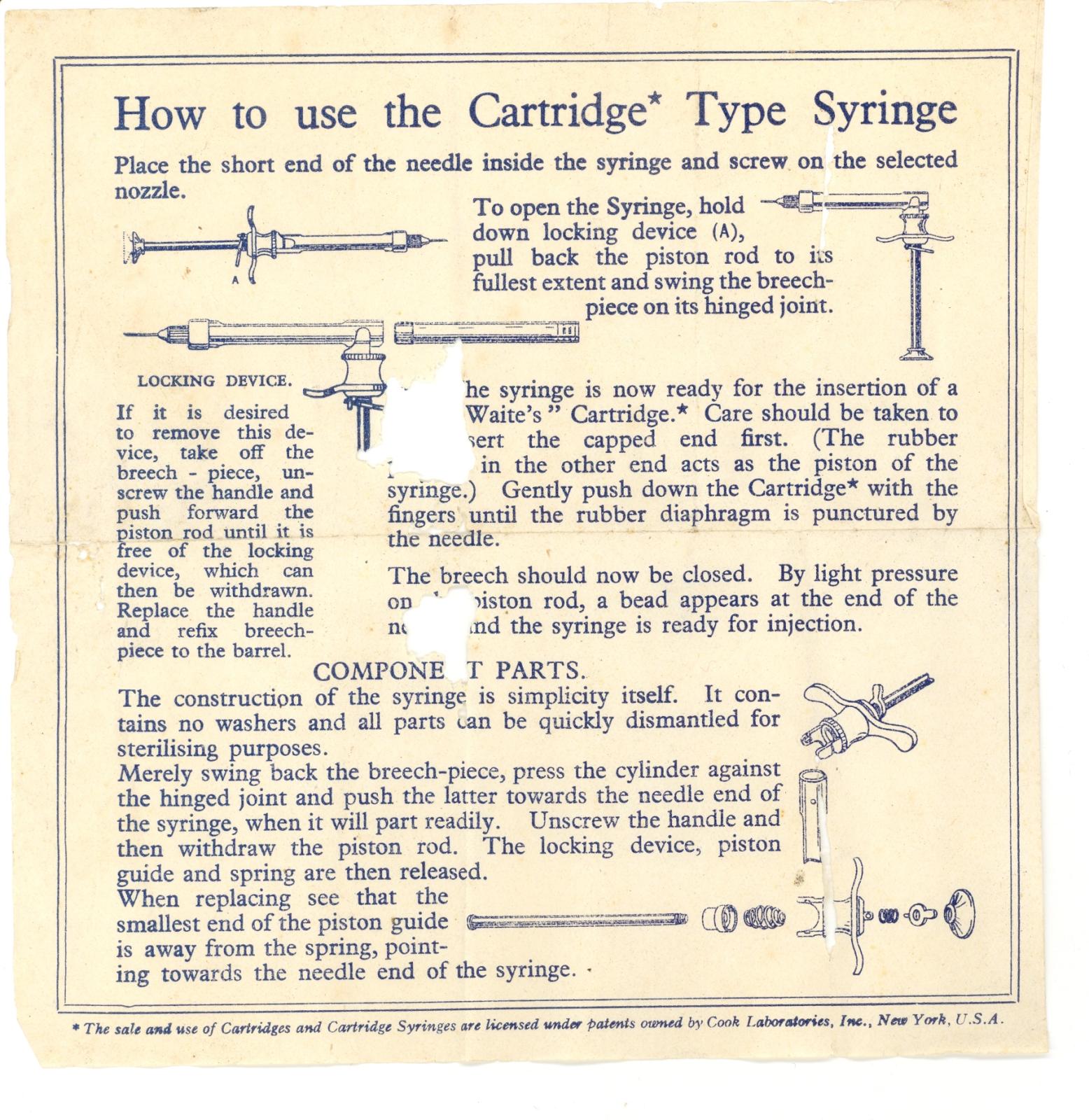
The Amalgamated Dental Company Ltd cartridge type dental syringe, c1950.
Used by Dr Streich when conducting minor dental procedures in the local district.
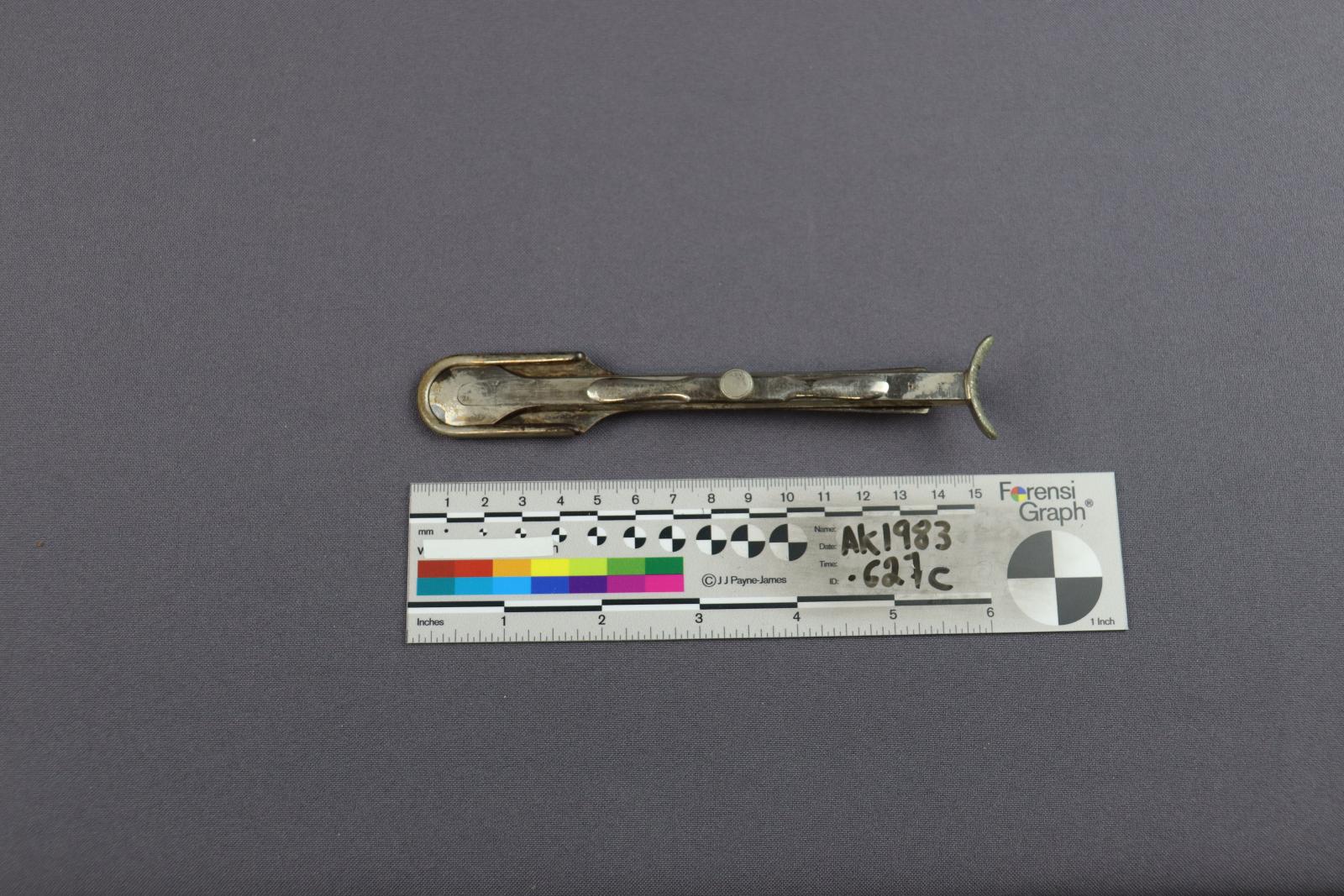
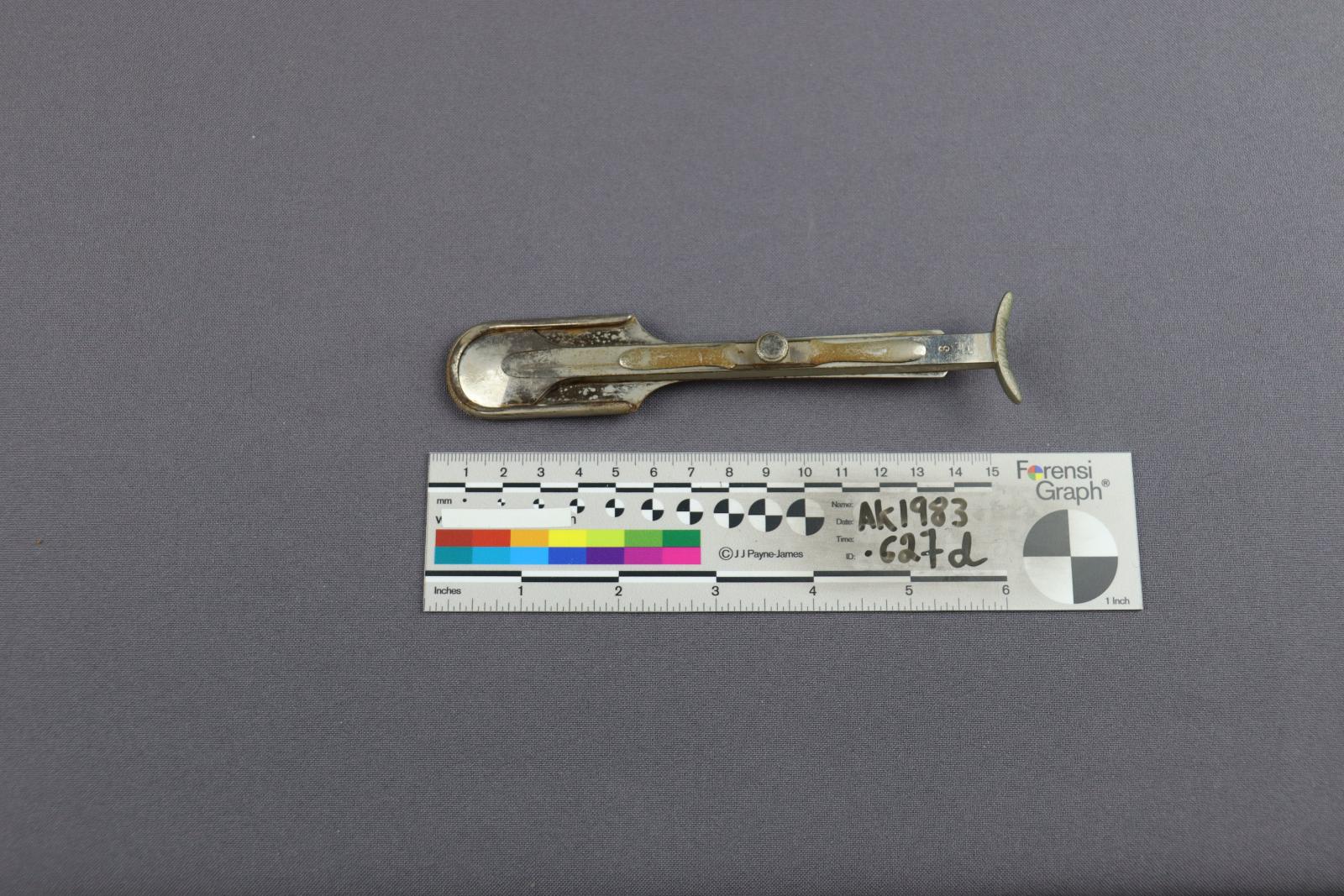
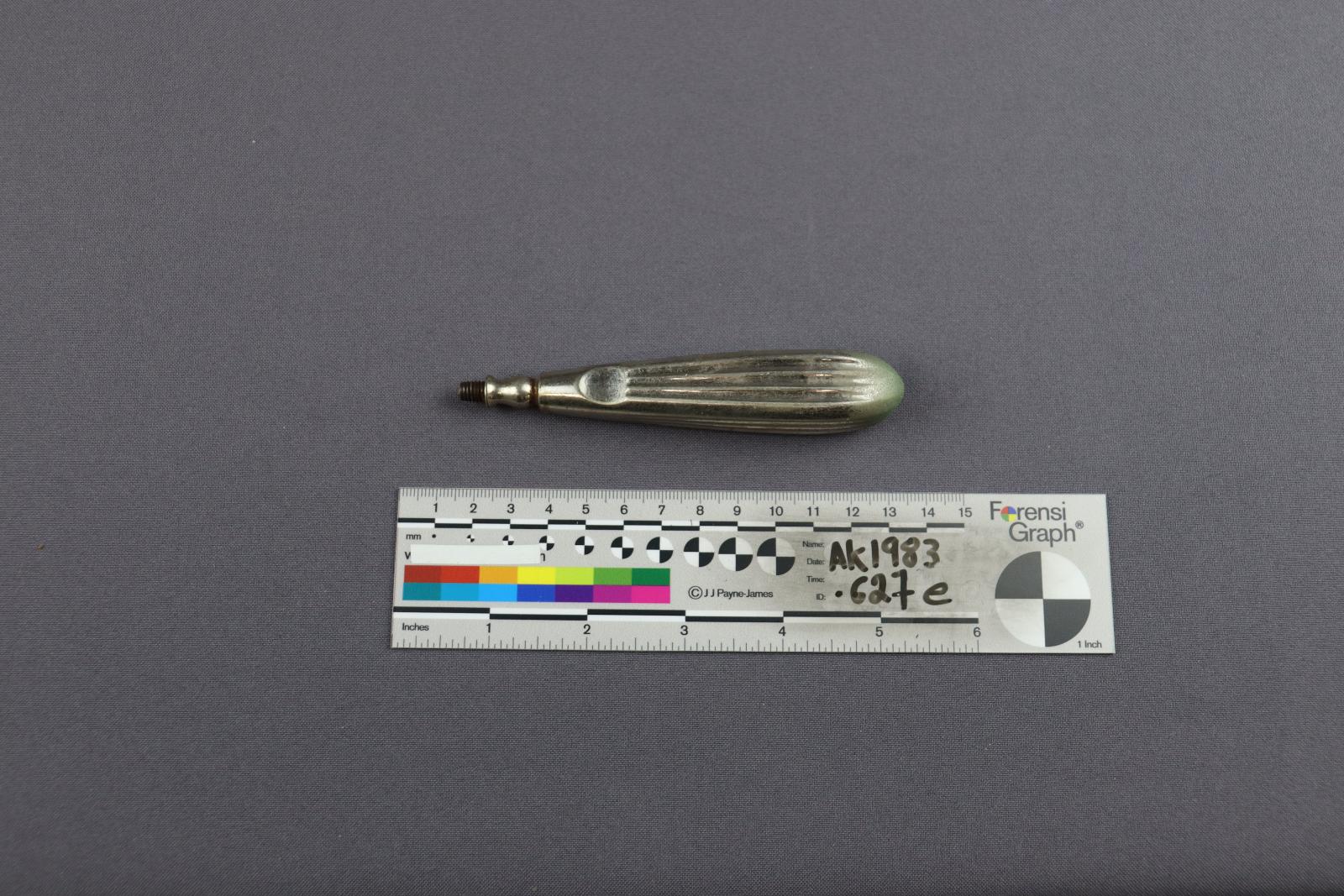
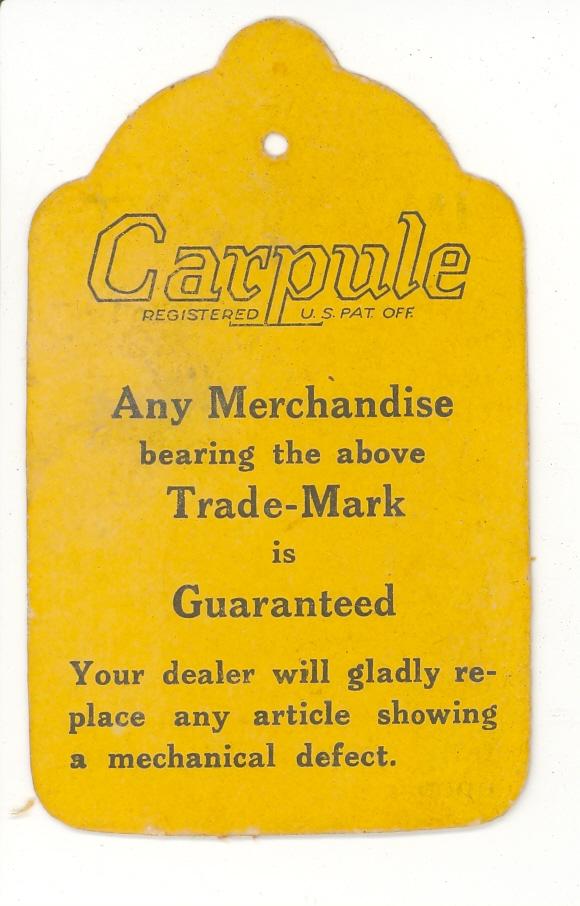
Holburn Surgical Instrument Co. Ltd. Tonsillectomy Guillotines, c. 1930s-50s
Dr. Streich would have used this kit to perform tonsillectomies at Sister Whitehead’s Armadale Hospital, as well as at the Jarrahdale Hospital, where, in the late 1940s and early 1950s, he conducted elective surgeries on Thursday afternoons.
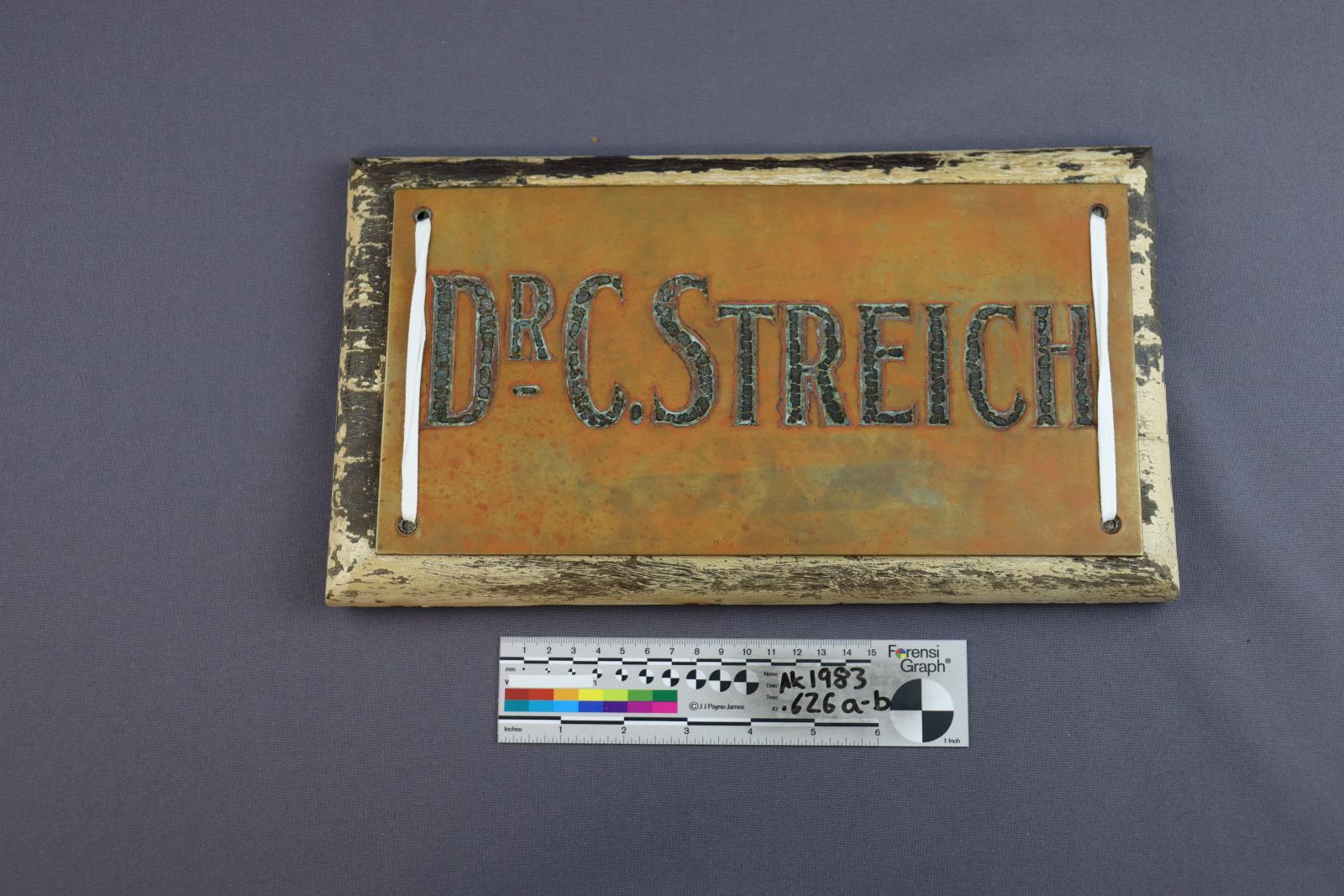
Dr. C. Streich Nameplate, c. 1928-1956
This nameplate was displayed at the entrance to Dr. Streich’s consulting rooms, either in Kelmscott, Armadale, or possibly Gosnells. During the week, he saw patients in Kelmscott from 9 to 11 a.m., and in Armadale from 2 to 3:30 p.m. He attended his Gosnells consulting rooms from 11 a.m. to 12 p.m. on Mondays, Wednesdays, and Fridays.
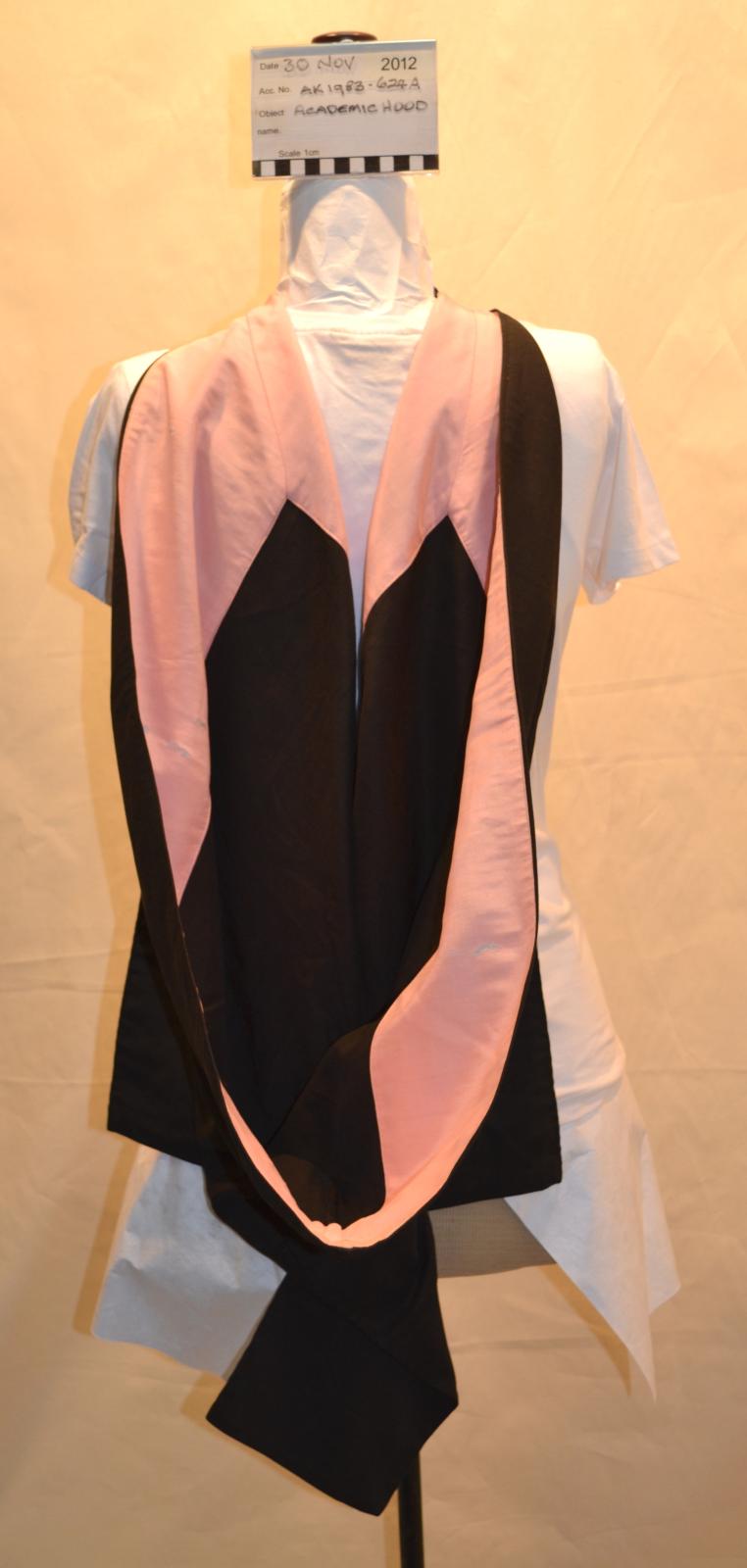
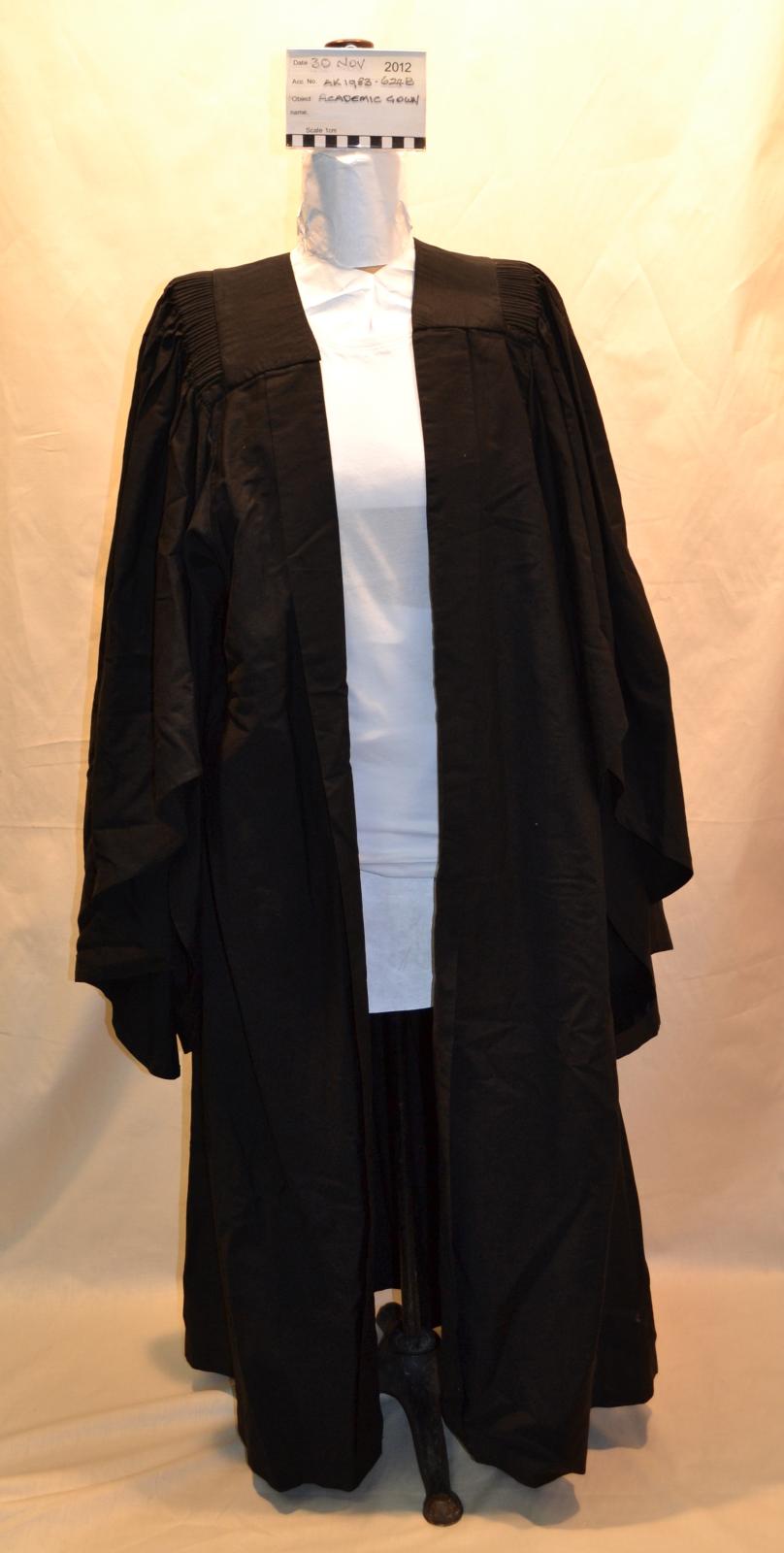
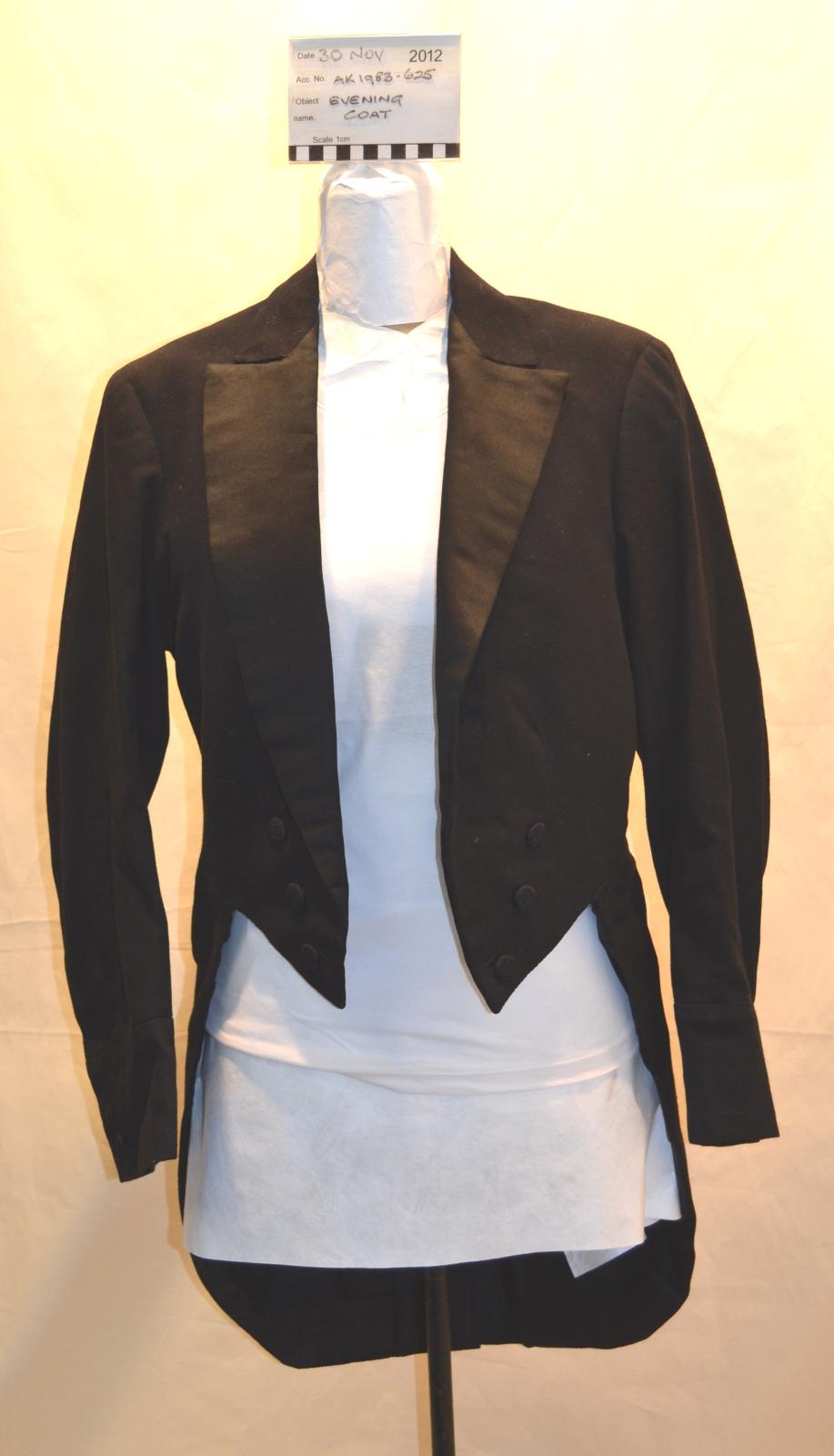
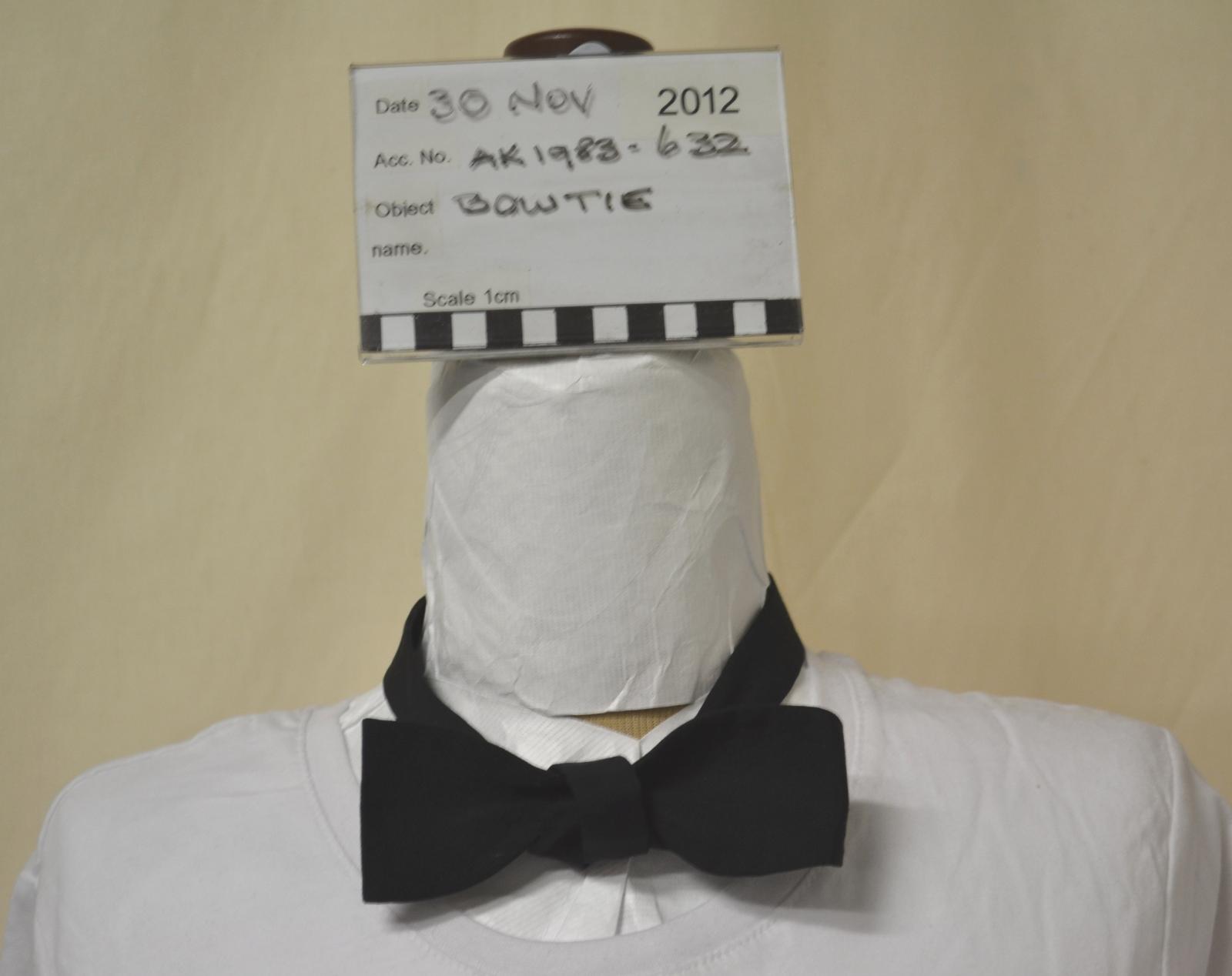
Academic gown worn by Dr Streich when graduating from the University of Adelaide, 1919.
Apron worn by Mrs Harriet Briggs when working as a midwife in Byford area, c1909-1940.
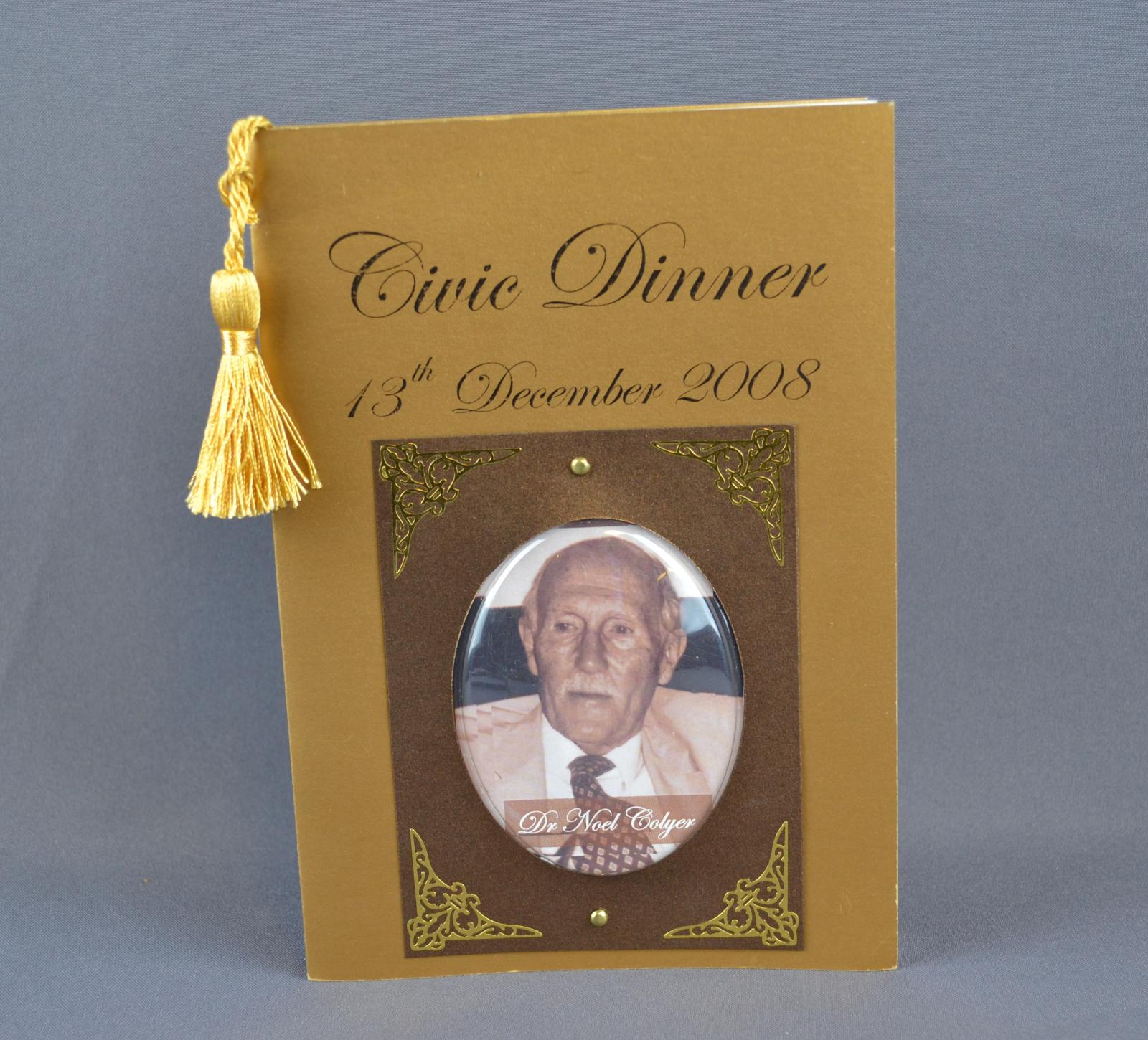
Program from a City of Armadale Civic Dinner held in honour of Dr Noel Colyer, 13 December 2008.
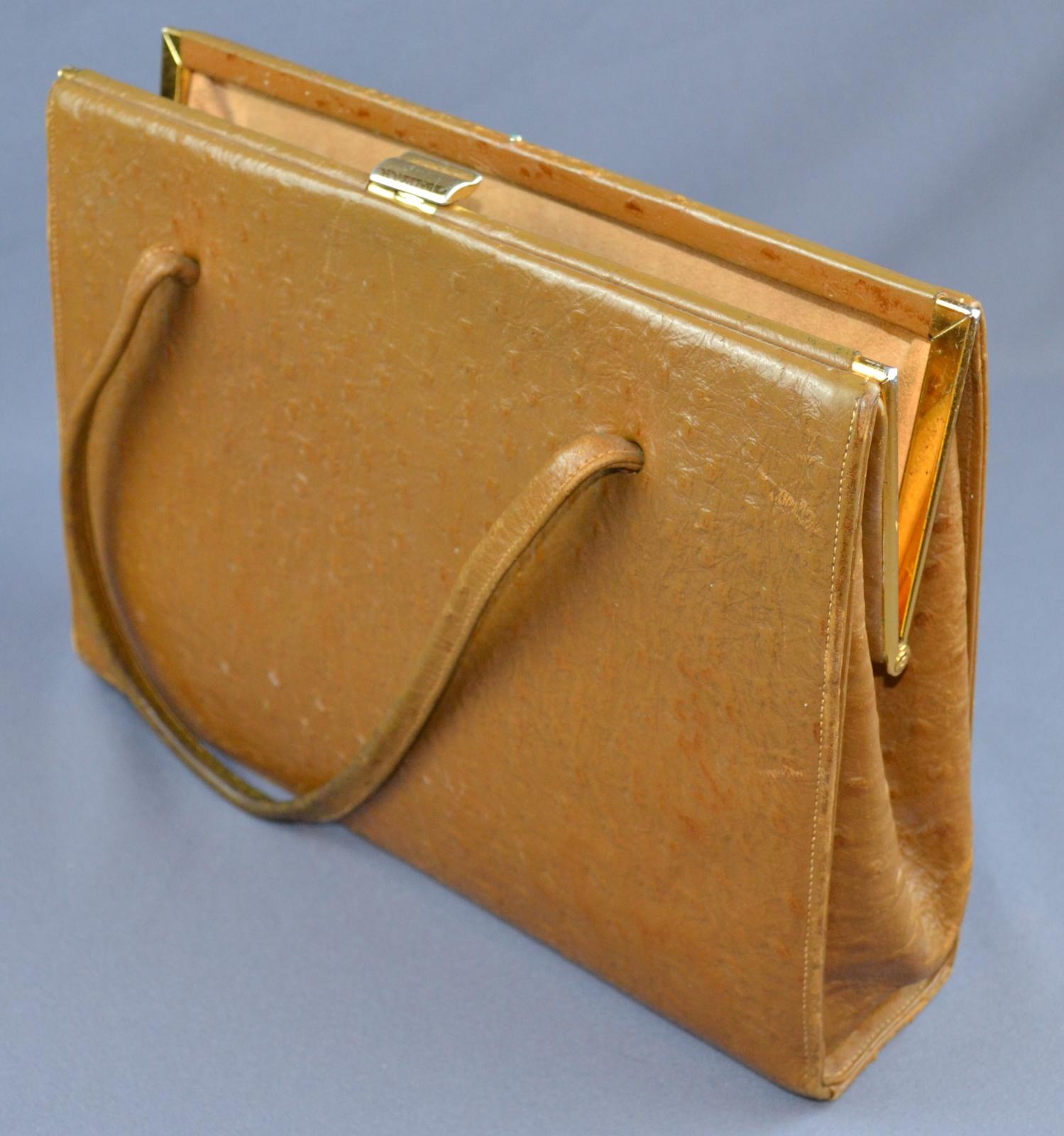
St John Ambulance Association Badge Issued to Miss Carmen Lorenz, 1941-1945
Miss Carmen Lorenz was a member of the Armadale Women’s Emergency Corps during World War II. As part of her training, she completed a St John Ambulance first aid course. This badge was awarded to Miss Lorenz upon her successful completion of the course.
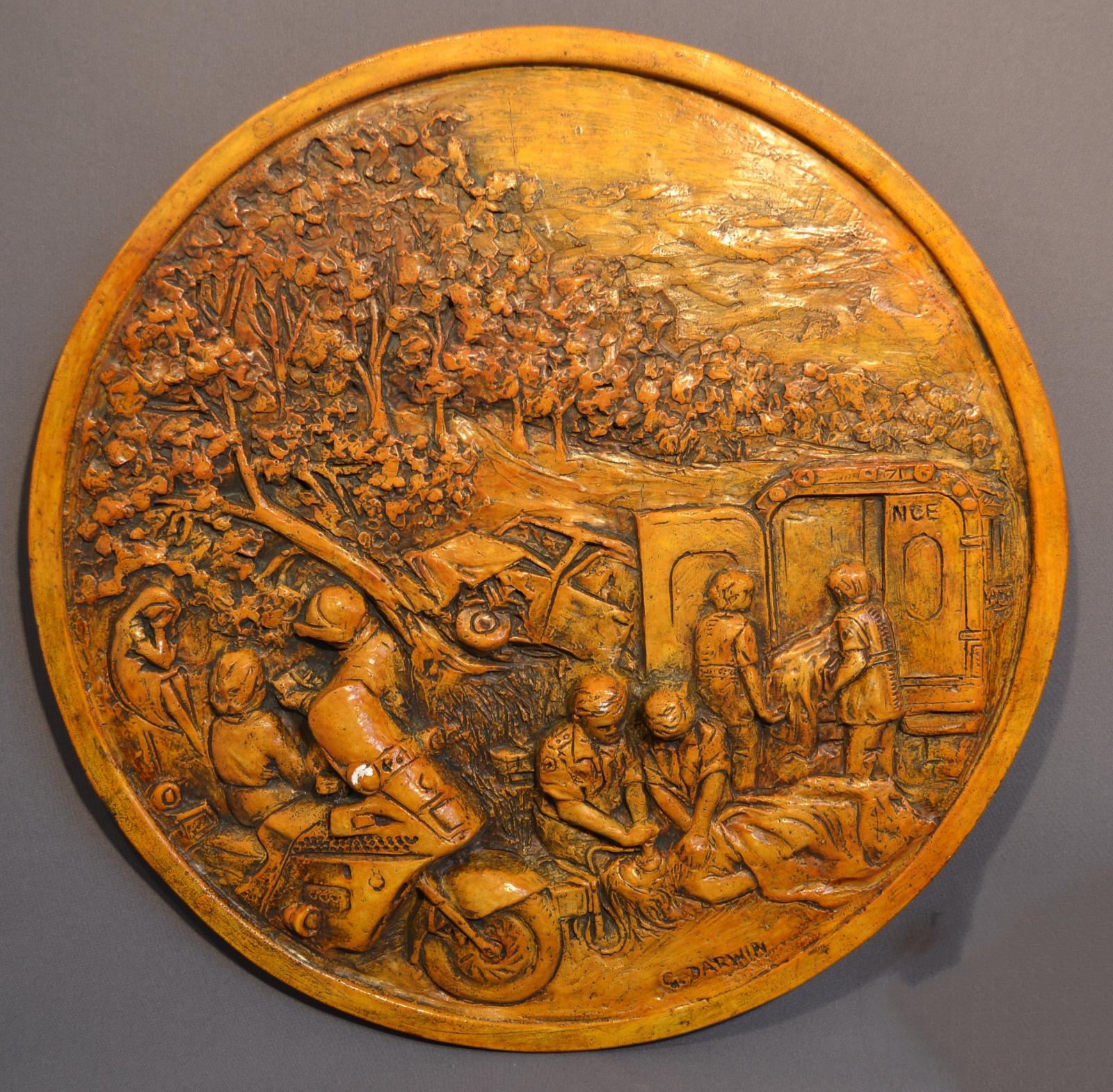
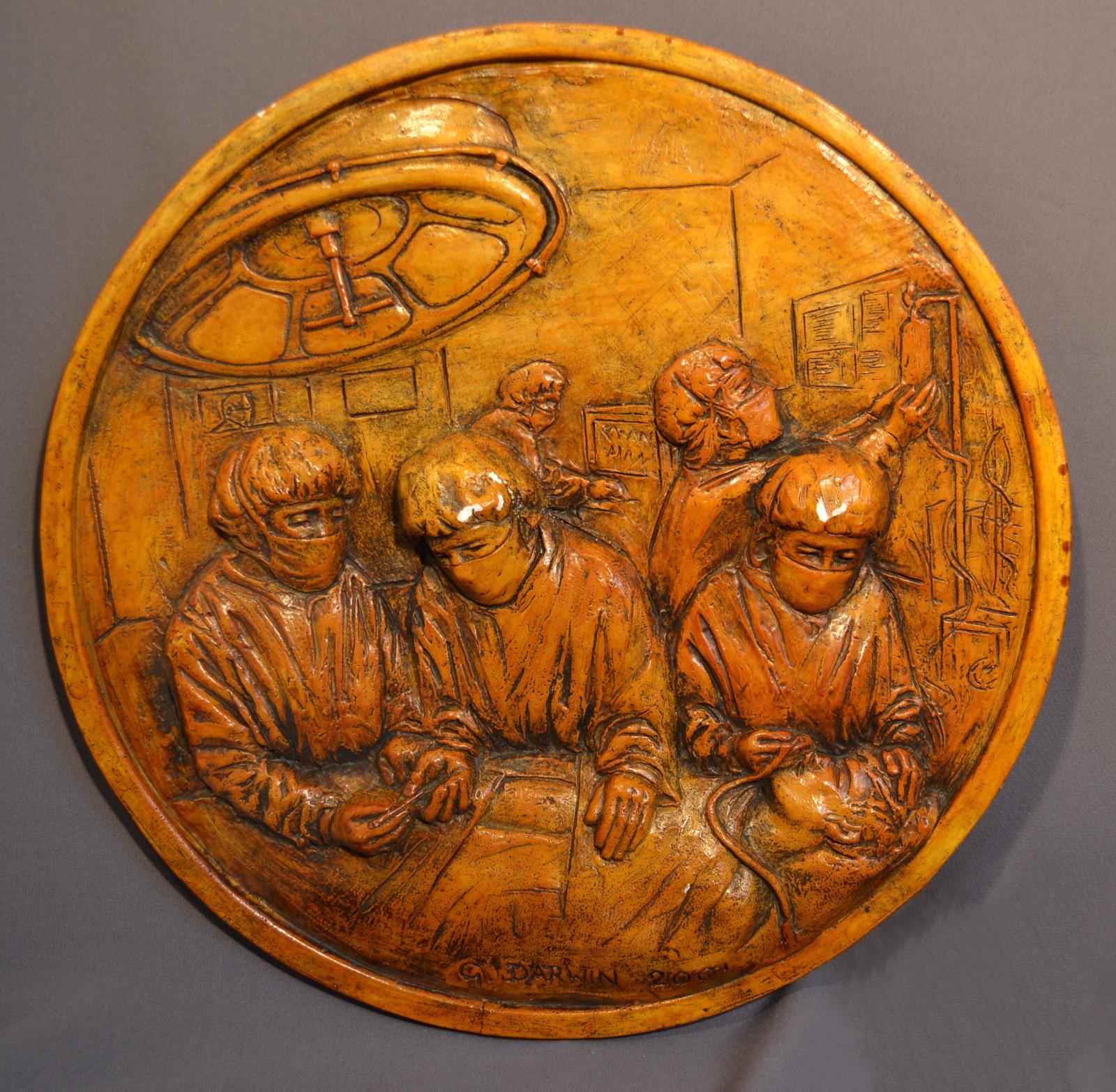
Moulds for the Plaques ‘Operating Theatre’ and ‘Car Accident’ by Gerald Darwin, 2001
These plaster moulds were used in the creation of two plaques, ‘Operating Theatre’ and ‘Car Accident,’ part of a series of 10 bronze plaques commissioned by the Armadale-Kelmscott Memorial Hospital in 2001. The plaques were installed at the hospital entrance to celebrate the local history and recognize the work of the hospital and ambulance services in responding to medical emergencies in the community.
Gerald Darwin was an award-winning, internationally recognized sculptor. Born in England, he developed an interest in sculpture at a young age. After briefly training as a priest at Mill Hill Seminary, where he also studied sculpture, Gerald left the seminary, married Agnes, and moved to Kenya. There, he taught arts and crafts at a teacher training college while refining his sculpting skills. Following a brief return to Britain, Gerald and Agnes settled in Roleystone in 1977. He soon became well-established as a sculptor, completing commissioned works for the Catholic Archdiocese of Perth and private clients. His last major work was a sculpture of the 14 Stations of the Cross for St. Mary’s Cathedral in Perth. Gerald passed away in 2020.
Collection of medicines used in the local area from the late 1800s to the 1940s.
All of these medicines were available through catalogues or the local chemist and some are still available today.
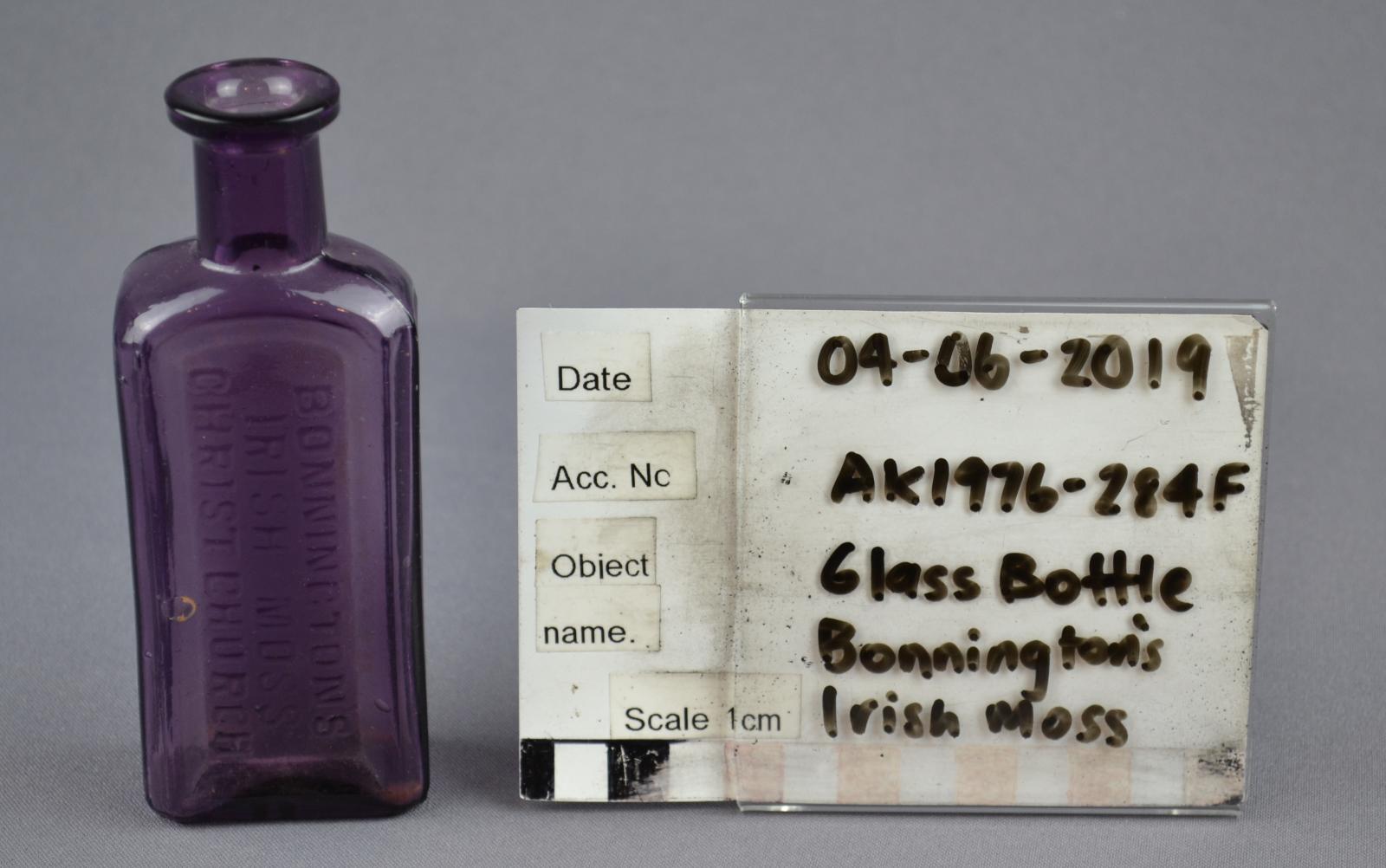
- Bonnington’s Irish Moss. Developed in New Zealand in the 1850s and contained vinegar, honey and carrageen, an extract from seaweed. Used to treat coughs, colds, asthma, influenza and bronchitis.
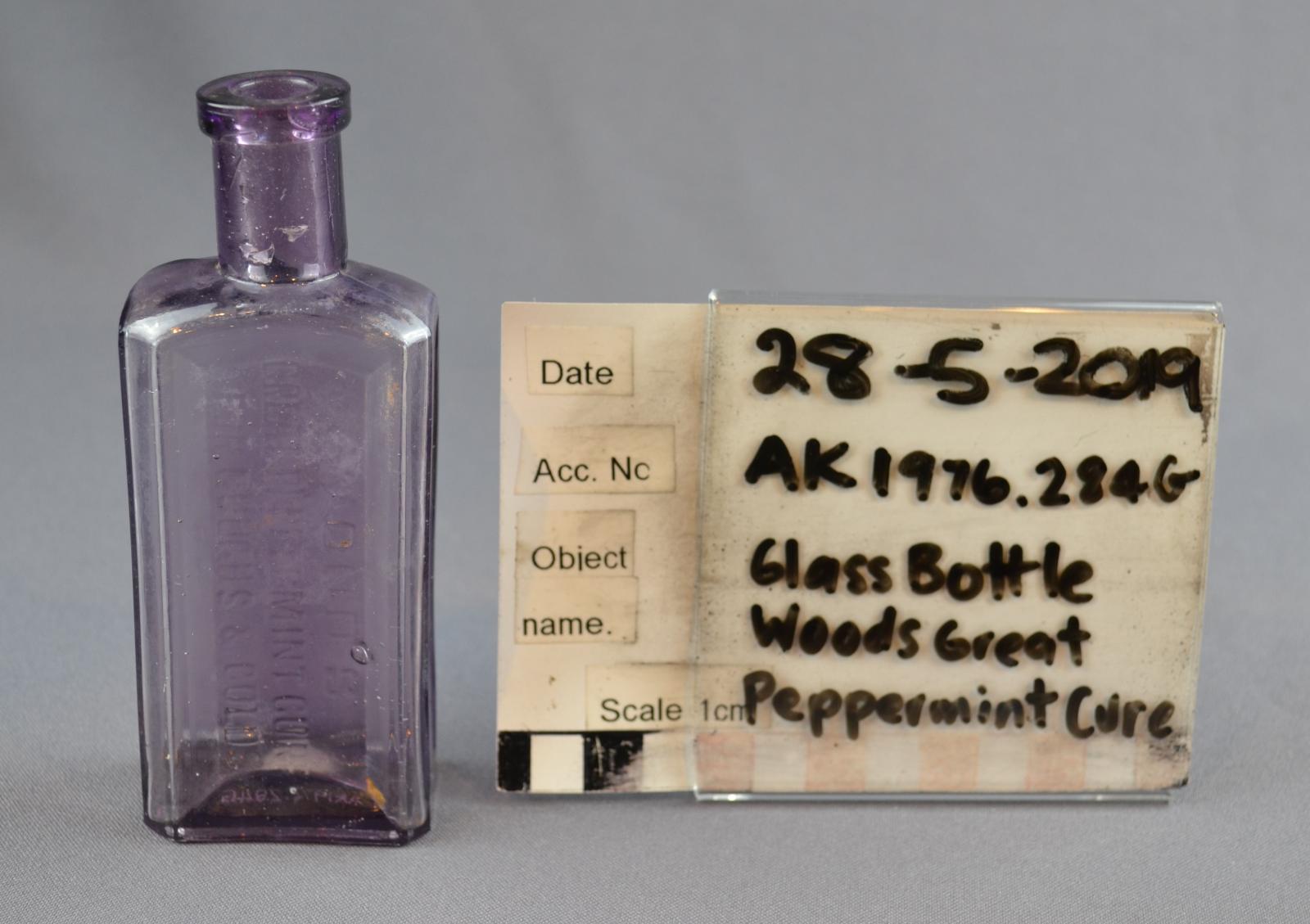
2. W.E. Woods & Co Greater Peppermint Cure. Developed in New Zealand in the 1880s. A menthol-based cough syrup to help soothe sore throats, loosen phlegm and suppress coughs.
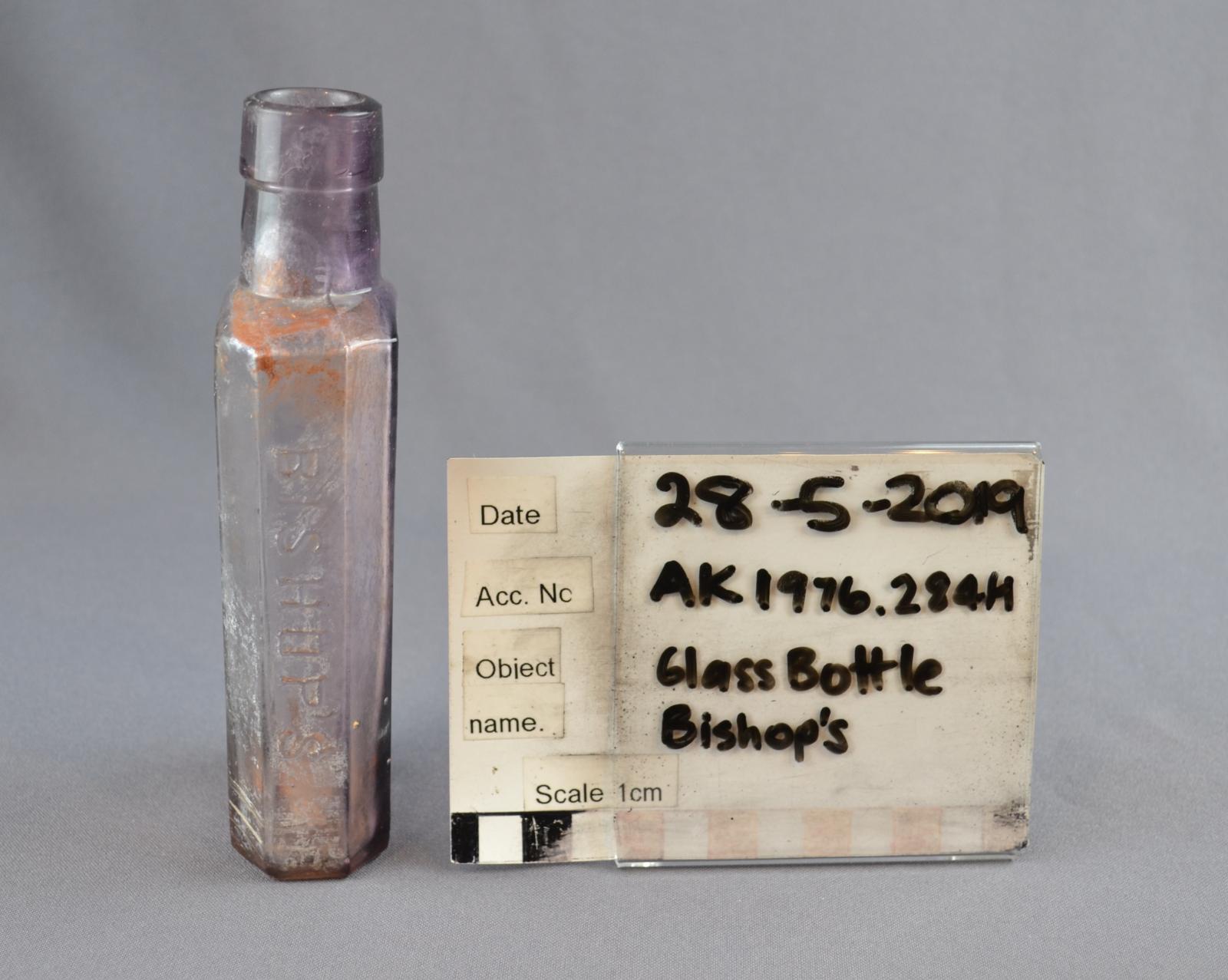
3. Bishop’s Citrate of Magnesia. Primarily used as a laxative.
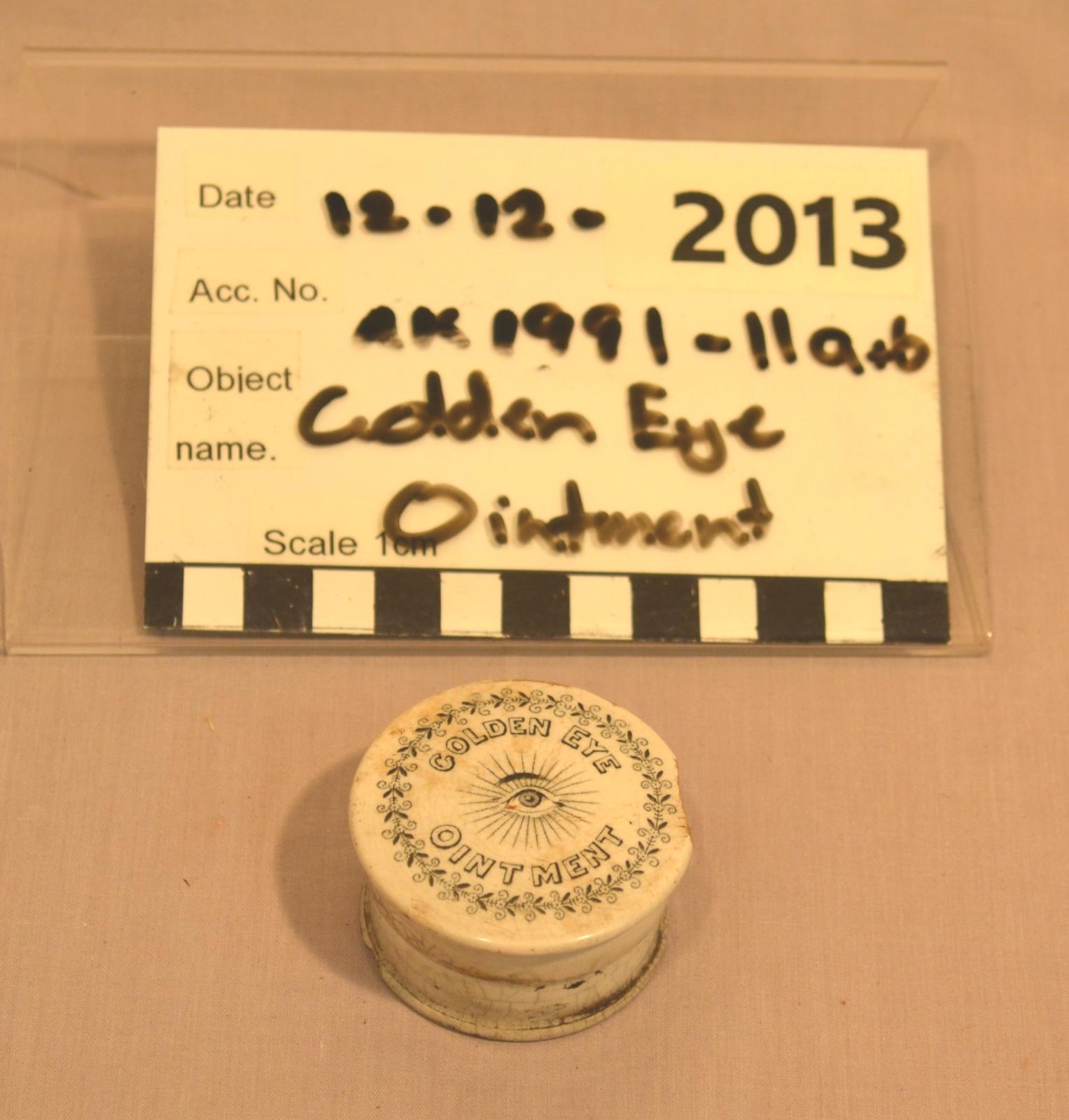
4. Golden Eye Ointment. Developed in 1596. Used to treat eye ailments. In the 1920s was discovered it was primarily a mixture of clarified butter and mercury so was discontinued.
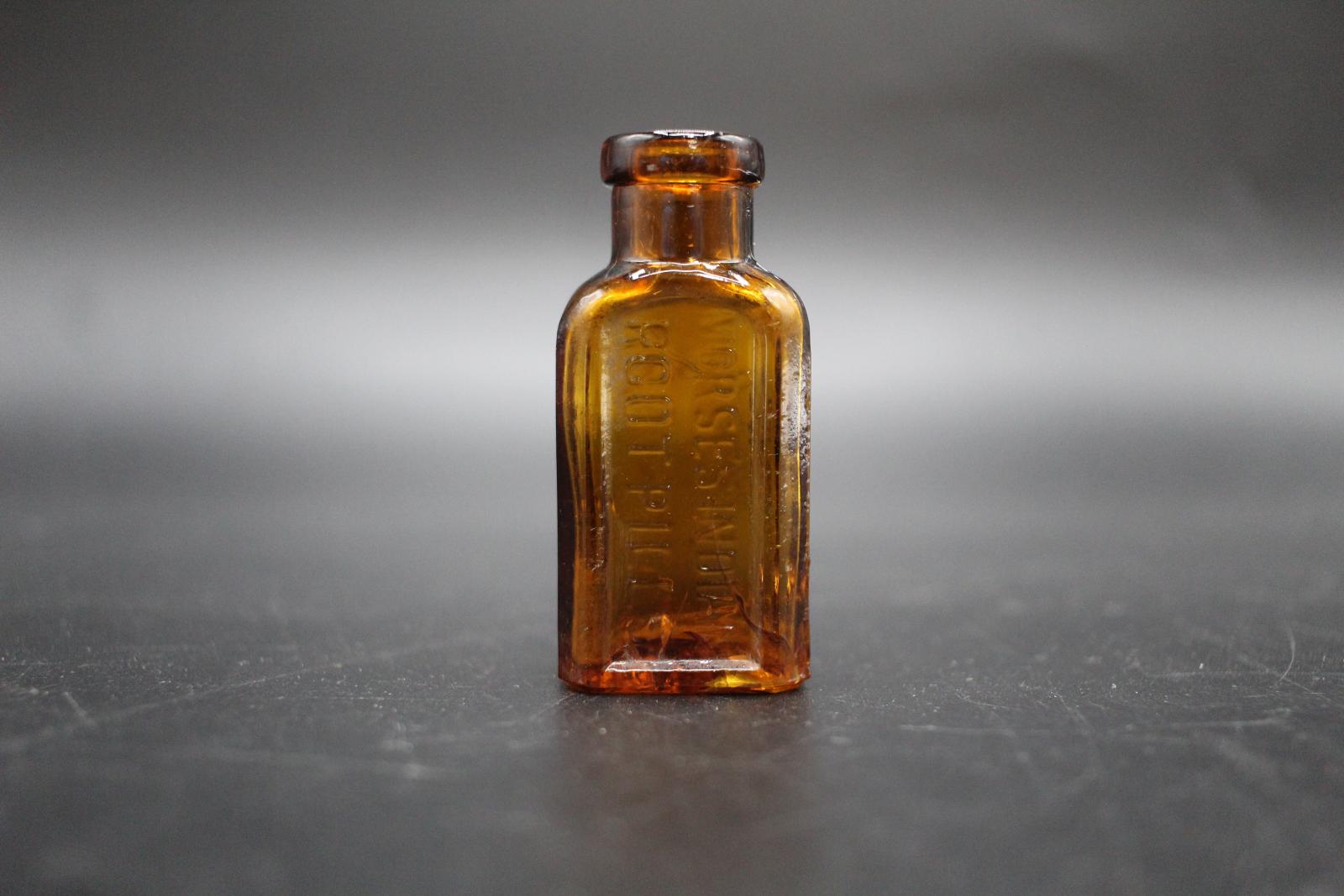
5. Morse’s Indian Root Pills. Developed in 1854. Advertised as a cure all for everything from blood conditions to kidney and liver disorders. Was popular in Australia in the late 1800s to the 1940s. Contained aloe, mandrake, gamboge (extracted from the Garcinia handuryi plant, native to parts of Asia), japal (root of Ipomoea purga a plant native to Mexico) and cayenne pepper.
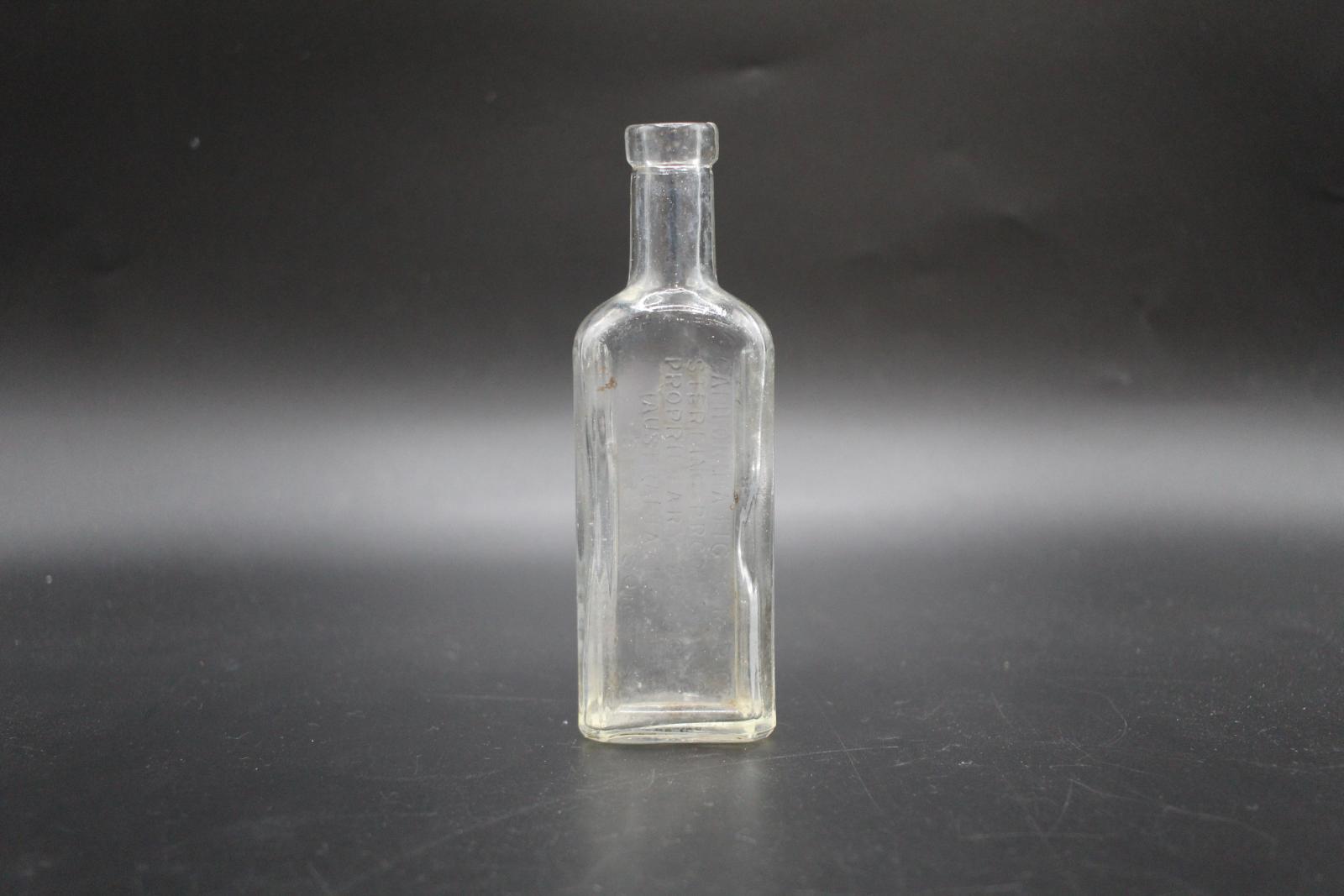
6. California Fig Syrup. Developed in 1878 in the U.S.A. Is a laxative made primarily from fig syrup and other plant extracts.
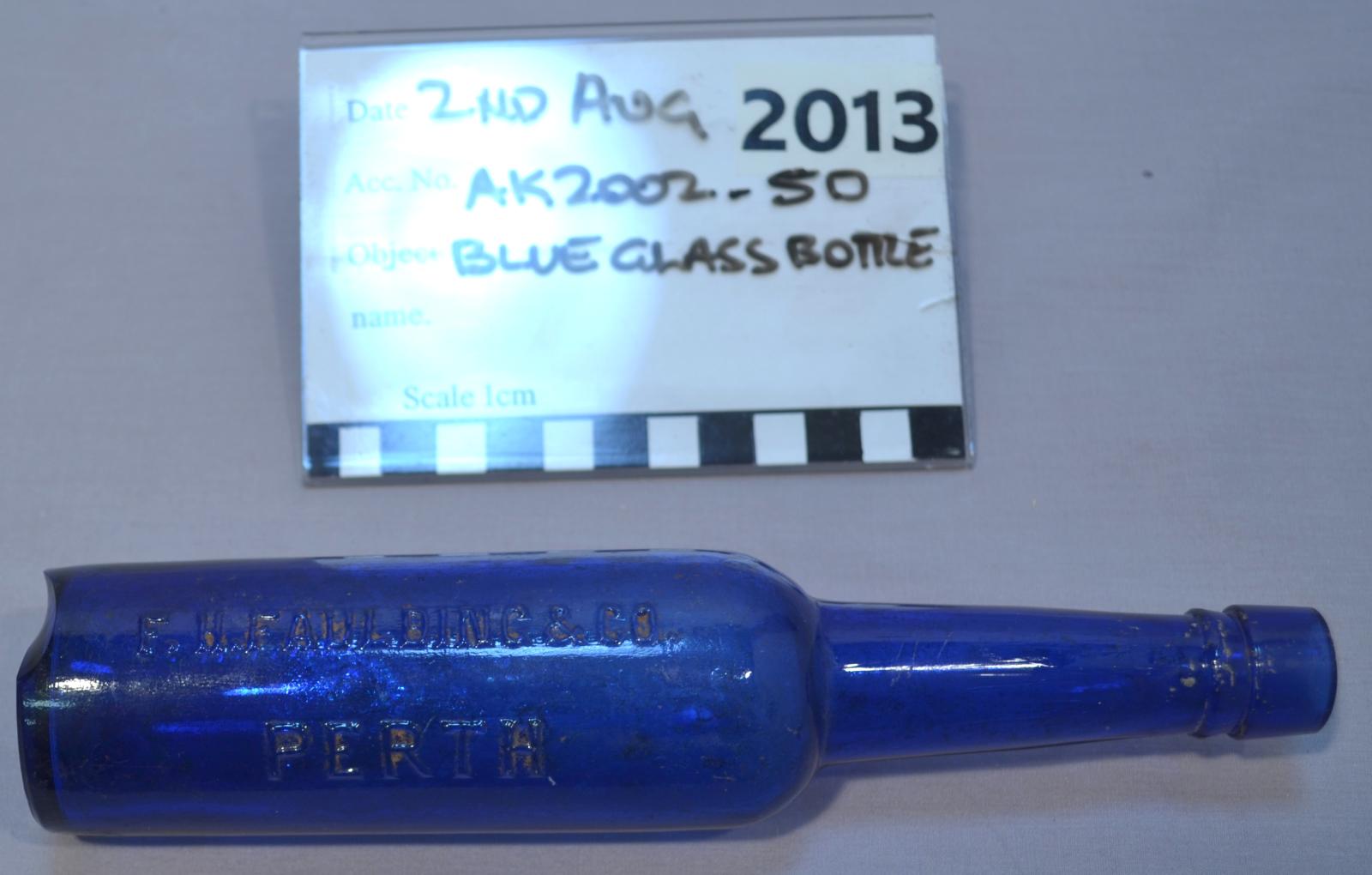
7. F.H. Faulding & Co Perth Castor Oil. Castor oil remains a popular natural laxative and treatment for skin conditions.