

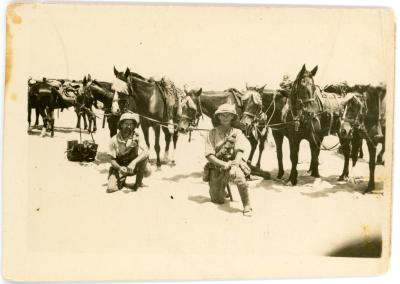
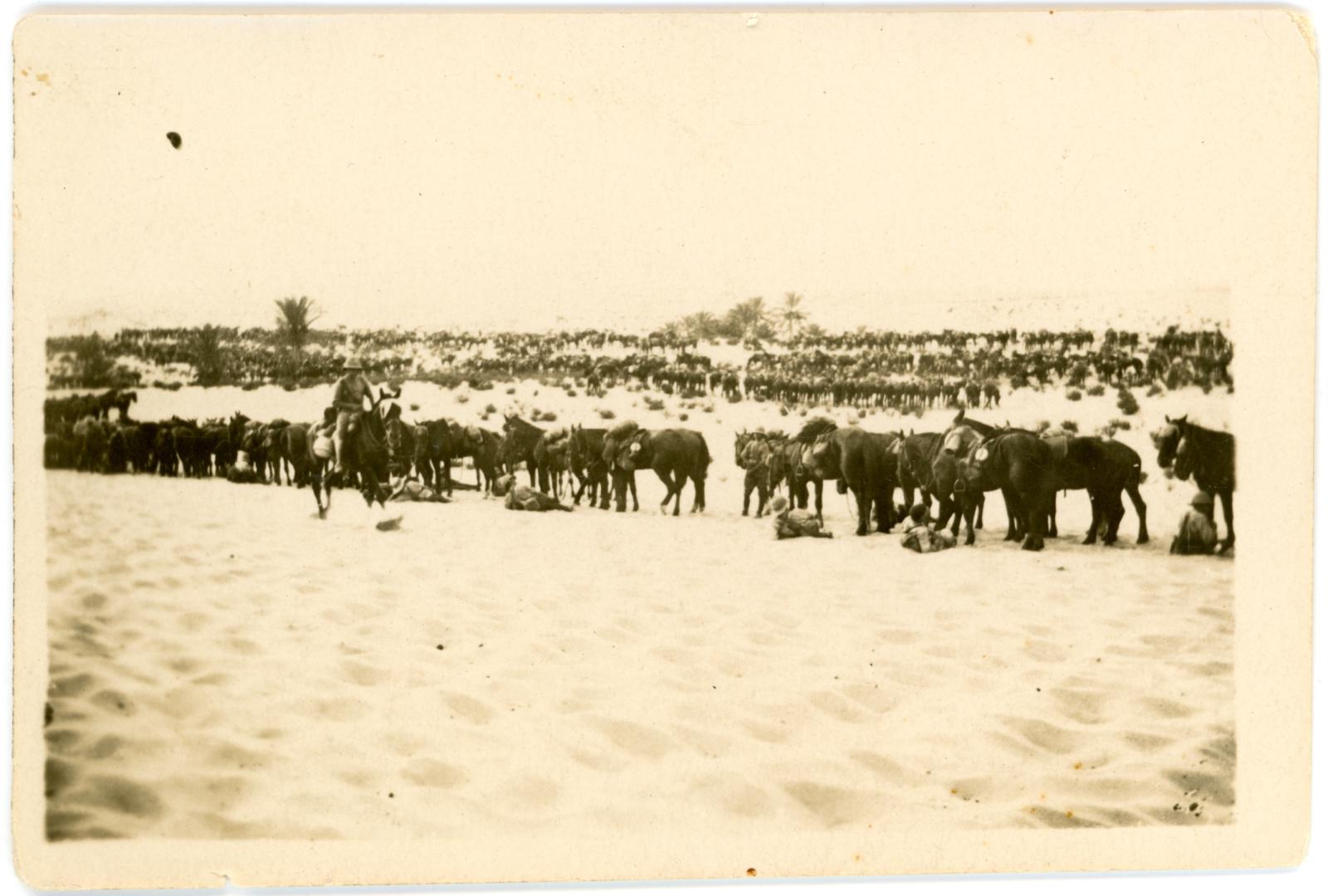
First World War Black and White Photograph of Light Horsemen and Horses Resting in the Desert
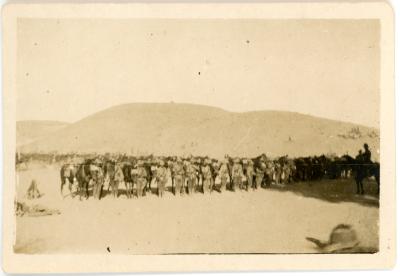
1916 - 1918A small black and white photograph of a large group of Light Horsemen and their horses resting in the desert. One man remains mounted on his horse while all the others that can be seen are dismounted, either lying or standing next to their mounts. The photograph has a small border and is in good condition back and front. There is a small number 2 written on the reverse top corner.
Everything the Light Horse trooper needed for living and fighting had to be carried by him and his horse. His extra clothing, food and personal possessions were in a canvas haversack carried over the shoulder. Across the other shoulder hung a one-litre water bottle. As well as the 90 rounds of ammunition in his bandolier, he carried ten rounds in the .303 (“three-oh-three”) rifle slung over his shoulder and another 50 rounds in pouches on his belt, which also supported the bayonet and scabbard. The horse was carefully fitted with the special military saddle, designed to carry a remarkable array of equipment with the least possible discomfort. Across the front was strapped a rolled greatcoat and waterproof ground sheet. Mess tin, canvas water bucket and nosebag with a day’s grain ration, were slung at the back of the saddle. There was also a heel rope, removable length of picket line and a leather case with two horseshoes and nails. The man’s blanket was sometimes carried in a roll or spread under the saddle on top of the saddle blanket or “rug”.
Details
Details
"2" written on back in pencil.
Walers were the type of horse used by Light Horsemen in the campaign in the Middle East during the First World War. The light horse fought dismounted, with rifles and bayonets, however, sometimes they charged on horseback, notably at Magdhaba and Beersheba. The smallest unit of a light horse regiment was the four-man section: one holding the horses while the other three fought. The horses were called Walers because, although they came from all parts of Australia. They were sturdy, hardy horses, able to travel long distances in hot weather with little water.
Horses usually need to drink about 30 litres of water a day. However, during the campaign they often went for up to 60 hours without water, while carrying a load of almost 130 kilograms, comprising rider, saddle, equipment, food, and water.
Open in Google Maps
Nearest geotagged records:
- Invalid Cup (0km away)
- Peter LONEY Letter (0km away)
- Ellis SILAS Water Colour Painting (0km away)
- Engraved Japanese Water Bottle belonging to Robert George Staunton RENNIE WX7493 (0km away)
- Enlistment Poster (0km away)
- W. D. & H. O. Wills Lace Flag Cigarette Cards (0km away)
- First world War Picture Postcard (0km away)
- Photograph of the Japanese surrender to Australia on 13 September 1945. (0km away)
- Engraved Tin given to Major Arthur Robinson HOME WX11151 (0km away)
- Martini-Henry action (0km away)
Nearby places: View all geotagged records »
Princess Royal Fortress Military Museum
Princess Royal Fortress Military Museum
Other items from Princess Royal Fortress Military Museum
-
First World War Black and White Photograph of Two Unidentified Light Horse Machine Gun Squadron Troopers
-
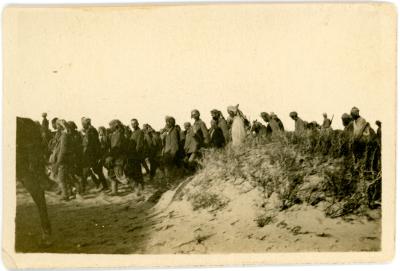
First World War Black and White Photograph of Turkish Prisoners of War
-
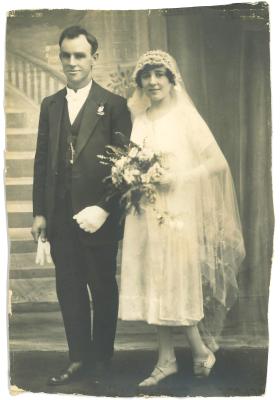
Black and White Wedding Photograph of William John BEER and Alice Jean BOYLAN
-
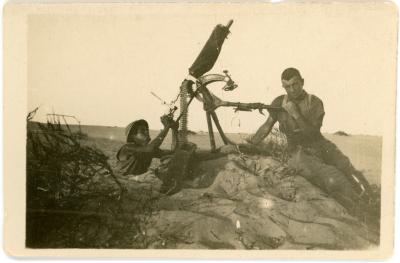
First World War Black and White Photograph of Two Soldiers and Machine Gun
-
First World War Black and White Photograph of a Group of Dismounted Light Horsemen
-
First World War Black and White Photograph of a Light Horse Desert Camp
-
First World War Black and White Photograph of a Group of Soldiers with Supplies
-
First World War Black and White Photograph of an Explosion in Water
-
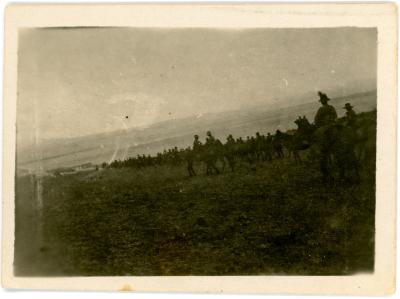
First World War Black and White Photograph of Mounted Light Horsemen by the Sea of Galilee
-
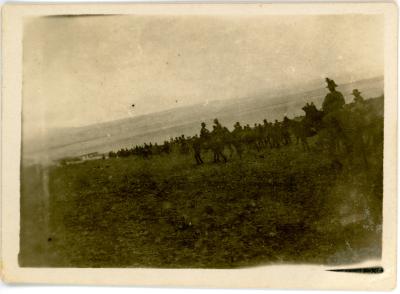
First World War Black and White Photograph of Mounted Light Horsemen by the Sea of Galilee
-
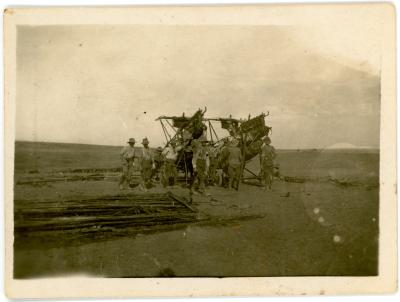
First World War Black and White Photograph of Turkish Airplane Wreck
-
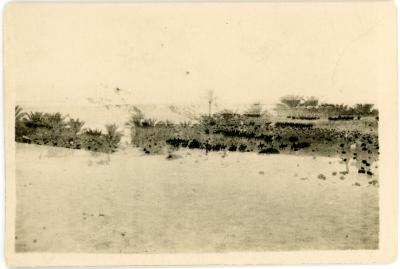
First World War Black and White Photograph of Mounted Light Horsemen at Oasis
Scan this QR code to open this page on your phone ->
