CRUCIFIX ON BRASS STAND
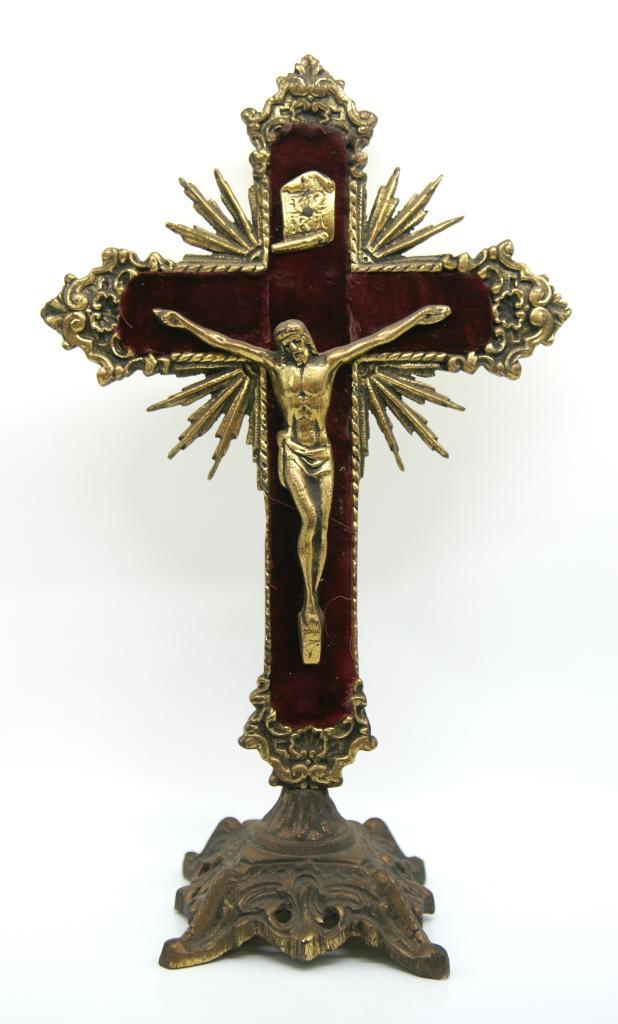
1880 - 1900Brass crucifix on stand.
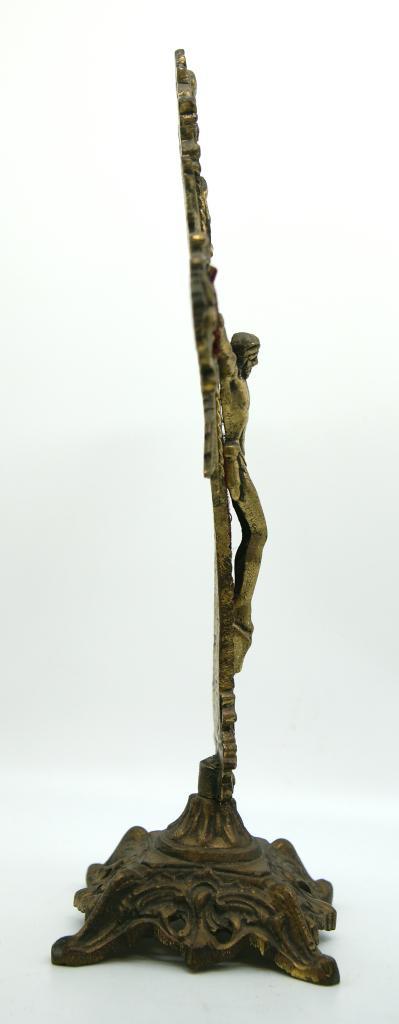
Flat brass cross with decorative swirl design ray design emerging from the four corners where the two sections of the cross intersect. Brass figure of Christ hanging on the cross with affixed brass scroll at top of cross with the initials 'INRI' Crimson velvet material (worn) has been affixed to the cross under the scroll and figure.
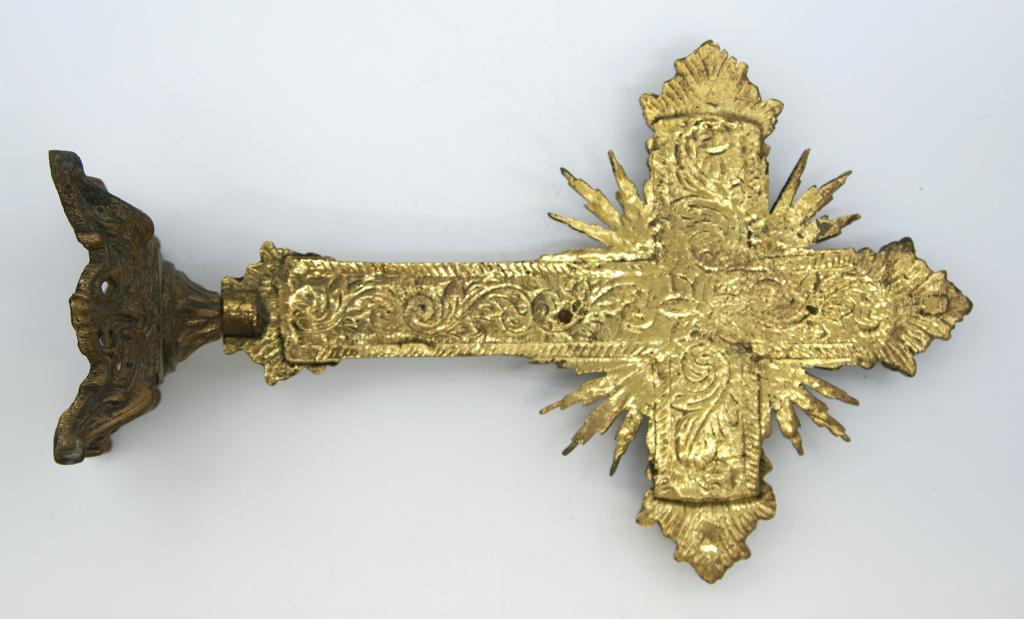
A decorative swirl design is on the back of the cross.
The cross is brazed to a brass stand, square with four ornate feet.
Ownership was transferred to the museum during the vacation of the Sisters of Mercy site in Toodyay by the Franciscans of the Immaculate Heart in January 2017. This religious order had been in residence at 36 Stirling Terrace, Toodyay as the Marian Friary of Our Lady Help of Christians since approx 1997. (It was the first community of this order established in Australia from New Bedford, Massachusetts, USA and was recalled in 2017.)
Before the Franciscans, the site was occupied by members of the Sisters of Mercy. The Sisters of Mercy originally came to Toodyay in 1883 to establish a school. A bequest by Daniel Connor enabled the construction of a new convent in 1903 on Stirling Terrace and the development of a school at this site. The St Aloysius Convent of Mercy School was was run by the Sisters of Mercy between 1903 and 1971. Following the closure of the school some of the Sisters remained at Toodyay for pastoral work until the early 2000s.
Details
Details
This style of crucifix was traditionally crafted in France and Belgium during the late Victorian or Neo-Gothic revival period for use on church side-altars or private home prayer tables. The key identifying features for dating this crucifix are:
Velvet - The crimson velvet backing used inside the cast metal frames is a classic signature of late-19th-century French religious craftsmanship. It was used to create a striking contrast against the polished metal and signify liturgical reverence.
Size - indicates it was explicitly designed as a primary home altar cross or for a smaller chapel/side-altar
The Design -The ornate, scrolling filigree border paired with the dramatic, radiating sunburst rays behind the corpus of Christ represents the Gothic and Baroque Revival styles that heavily dominated French religious art during the late 1800s.
Other items from Shire of Toodyay
-
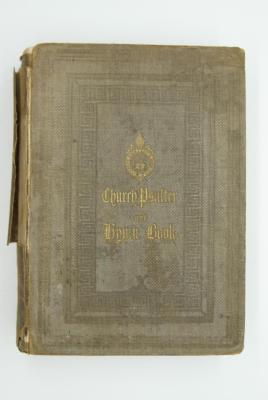
BOOK; CHURCH PSALTER AND HYMN
-
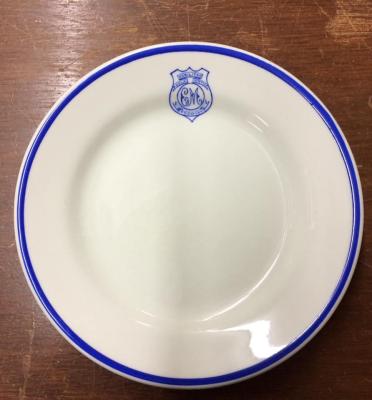
PLATE; BREAD AND BUTTER
-
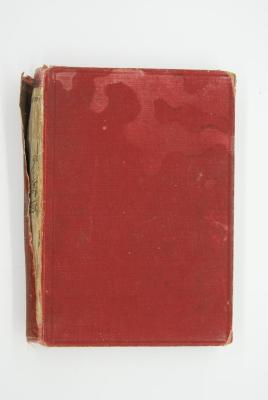
BOOK: THE PREMIER DICTIONARY OF SYNONYMS AND ANTONYMS
-
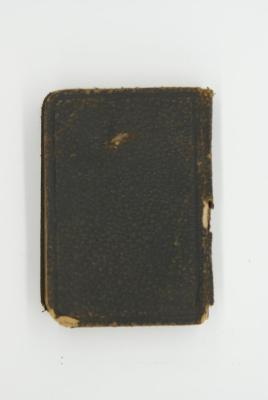
BOOK, POCKET BIBLE
-
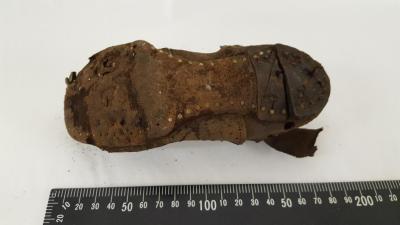
BOOT, CHILD'S, 19TH CENTURY, GOOD LUCK TALISMAN
-
CATALOGUE REMNANT, NEWCASTLE FLORAL & INDUSTRIAL EXHIBITION 1907

-
DRUMMOND'S MILL KEYSTONE

-
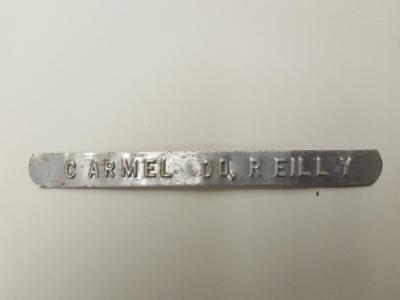
NAME TAG, ALUMINIUM, CARMEL O'REILLY
-
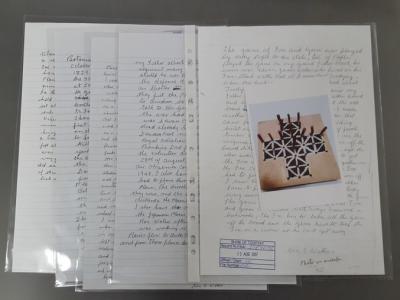
COLLECTION: HANDWRITTEN ACCOUNTS, RON E. WATERS
-
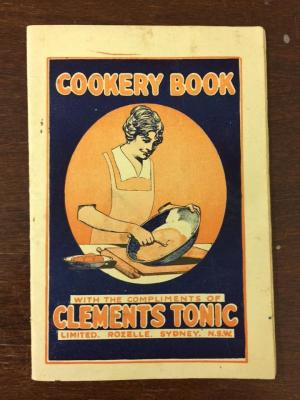
COOKERY BOOK; CLEMENTS TONIC
-
CLOCK; ORMOLU STRIKING
-
NEWGAIN FARM DOCUMENTS BRITISH AUSTRALIAN WOOL REALISATION ASSN LTD 1921-1923