

Second World War 'Lewis Gun Guide' used by Gunner Charles Frederick JACKMAN, W17457
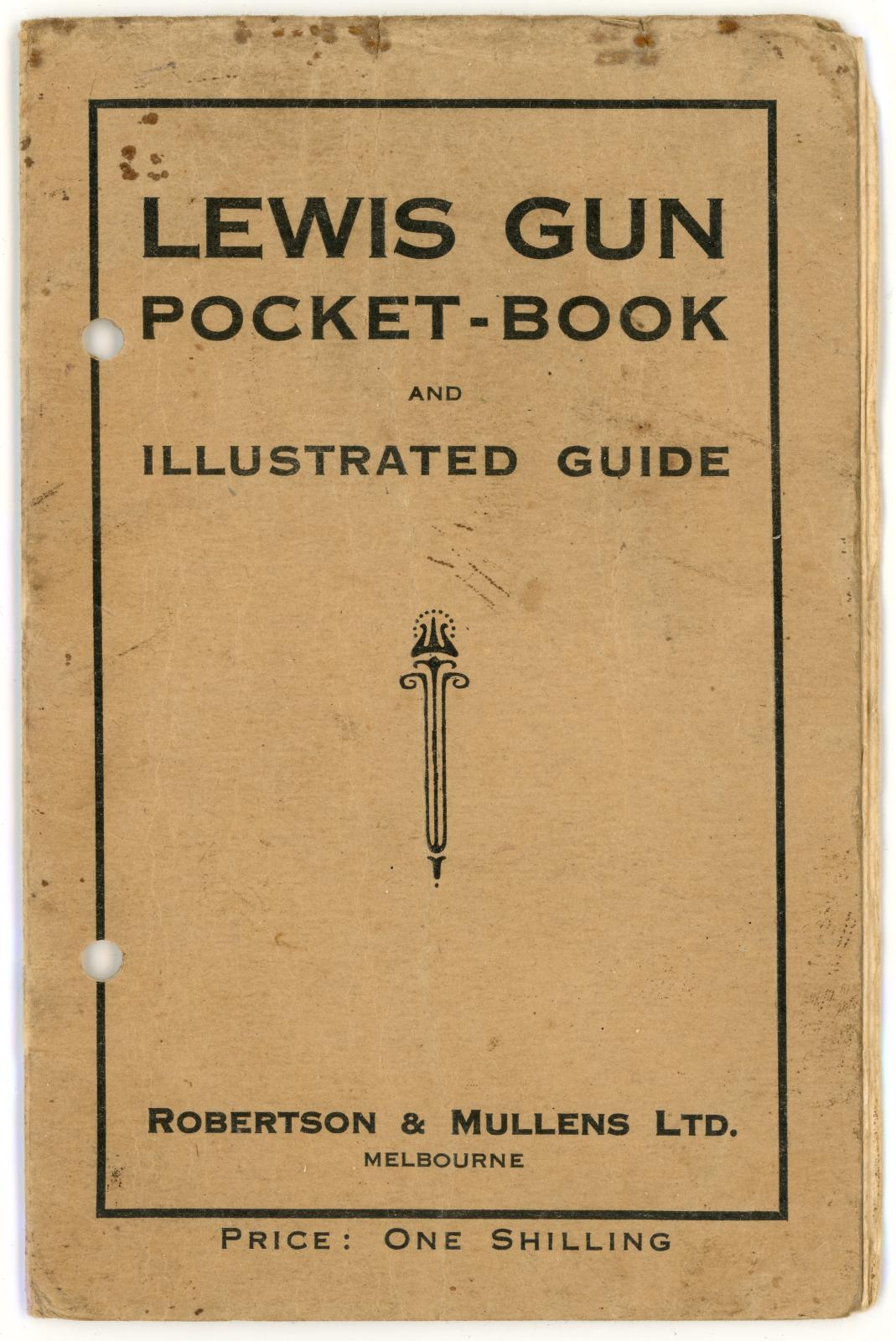
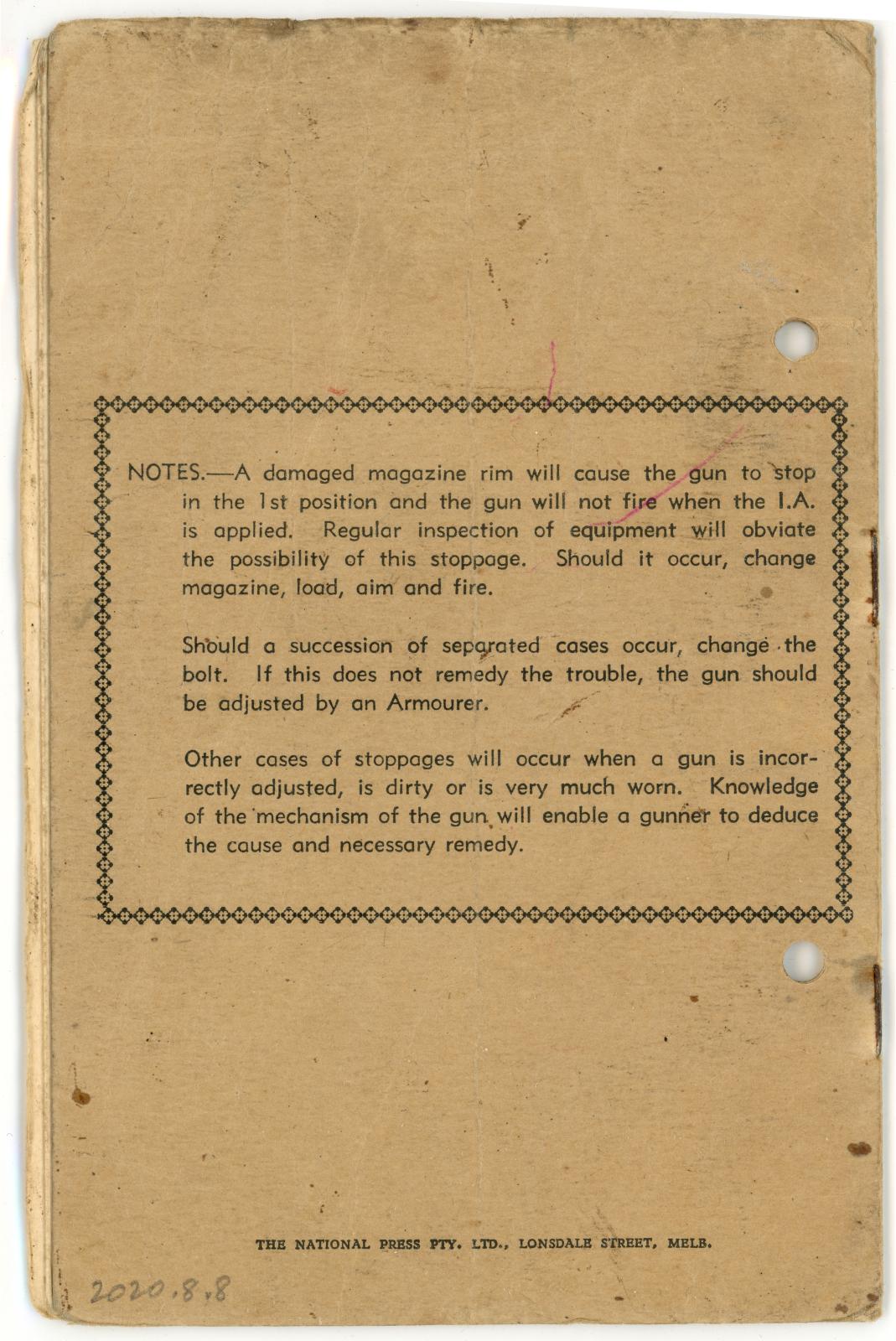
c. 1939A small beige paper pocketbook with foldouts explaining the use and maintenance of the Lewis Gun, with accompanying illustrations. The title of the pocketbook and publisher’s details are located on the front cover and are typed in black ink surrounded by a border, with the price typed in black ink below the border. The reverse of the booklet shows a set of notes regarding maintenance of the gun when issues occur, surrounded by a border. The publisher’s name is printed in small type at the bottom of the back cover.
The Lewis Gun was developed in the United States by Colonel Isaac Newton Lewis in 1911, based on an initial design by Samuel McLean. The U.S. Army was not interested in the gun and later Lewis resigned from the Army. He established 'Armes Automatique', in Belgium in 1913 and commenced commercial production. Lewis worked with B.S.A. (‘Birmingham Small Arms Company Limited’) in England to overcome some production difficulties and the factory moved to England before 1914 with B.S.A. having bought a licence to manufacture the Lewis gun with a .303 calibre cartridge. Despite earlier hesitancy by the Americans, the American company ‘Savage Arms Co’ later started producing the gun with a .30-36 calibre cartridge. During the First World War the Lewis Gun was used by British Empire Forces (Army, Navy and Airforce) with a small number used by the United States in 1917. On the front line in the Second World War, the Lewis Gun was used against the Japanese by the British, Dutch, Australian and New Zealand Forces in the early years of the Pacific Campaign. It continued to be used as an aircraft machine gun in this conflict and saw service in the Home Guard as well as anti-aircraft and airfield defence roles, and the Royal Navy until 1942.
Developed as a light gun, the Lewis Gun weighed 13 kilograms fully loaded with a quick loading pan shaped magazine of 47 or 97 rounds. With an effective range of 800 metres and a maximum range of 3,200 metres it was gas operated for cooling and capable of firing 500 – 600 rounds per minute. It was an effective mobile weapon and was given the nickname the “Belgian Rattlesnake” by the Germans in the First World war.
Details
Details
On front “LEWIS GUN / POCKET BOOK / AND / ILLUSTRATED GUIDE / ROBERTSON & MULLENS LTD. / MELBOURNE / PRICE: ONE SHILLING” and on back “NOTES. - A damaged magazine rim will cause the gun to stop / in the 1st position and the gun will not fire when the I.A. / is applied. Regular inspection of equipment will obviate / the possibility of this stoppage. Should it occur, change / magazine, load, aim and fire. / Should a succession of separate cases occur, change the / bolt. If this does not remedy the trouble, the gun should / be adjusted by an Armourer. / Other causes of stoppages will occur when a gun is incor- / rectly adjusted, is dirty or is very much worn. Knowledge / of the mechanism of the gun will enable a gunner to deduce / the cause and necessary remedy. / THE NATIONAL PRESS PTY. LTD., LONSDALE STREET, MELB.”.
Charles Frederick JACKMAN was born on 9 May 1919 in Lockwood, Huddersfield, West Yorkshire, England. He travelled to Fremantle, Western Australia in 1934, arriving on 23 December via Colombo. JACKMAN enlisted in the 124th Heavy Artillery Battery , Royal Australian Artillery (militia) on 29 July 1937 at the age of eighteen (18). He spent three (3) years and ten (10) days in service at the Princess Royal Fortress in Albany, Western Australia, and qualified as a “Layer” and “Lewis Gunner”, training militia gunners at the Princess Royal Fortress before being discharged on 7 August 1940. On 27 August 1940, JACKMAN enlisted in the 5th Veterinary Hospital and was discharged as “Medically Unfit” on 21 January 1941. He worked in Albany, including at the Freemasons Hotel on Stirling Terrace for three (3) months until July 1941, and the Vacuum Oil Company from 28 June 1943 until 17 January 1946. JACKMAN married Betty Milne at St John the Evangelist Church in Albany on 12 April 1947, and died in Albany on13 July 1985. He is buried in Allambie Cemetery, Albany.
Open in Google Maps
Nearest geotagged records:
- Invalid Cup (0km away)
- Peter LONEY Letter (0km away)
- Ellis SILAS Water Colour Painting (0km away)
- Engraved Japanese Water Bottle belonging to Robert George Staunton RENNIE WX7493 (0km away)
- Enlistment Poster (0km away)
- W. D. & H. O. Wills Lace Flag Cigarette Cards (0km away)
- First world War Picture Postcard (0km away)
- Photograph of the Japanese surrender to Australia on 13 September 1945. (0km away)
- Engraved Tin given to Major Arthur Robinson HOME WX11151 (0km away)
- Martini-Henry action (0km away)
Nearby places: View all geotagged records »
Princess Royal Fortress Military Museum
Princess Royal Fortress Military Museum
Other items from Princess Royal Fortress Military Museum
-
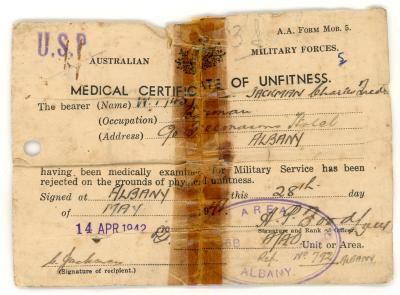
Second World War 'Medical Certificate of Unfitness' for Charles Frederick JACKMAN, W17457
-
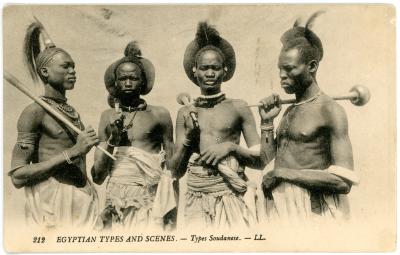
First World War Postcard of ‘Egyptian Types and Scenes - Sudanese Men’, Egypt
-
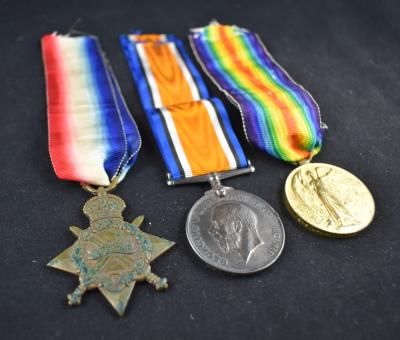
First World War Medal Trio of Lance Corporal Frank BEER 512
-
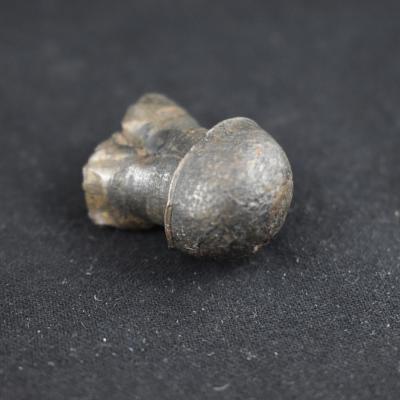
First World War German Shrapnel Shell Fragment
-
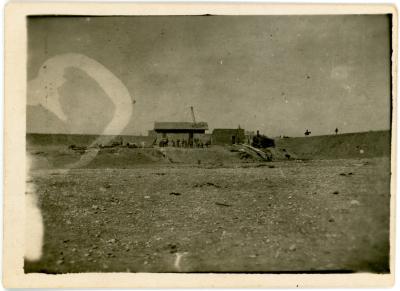
First World War Black and White Photograph of Beersheba
-
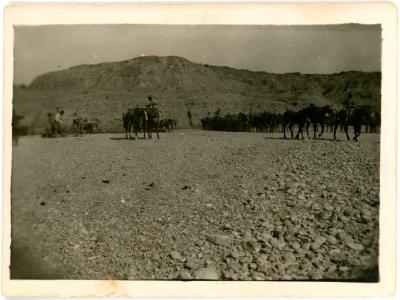
First World War Black and White Photograph of Tel El Fara from Wadi Ghuzze
-
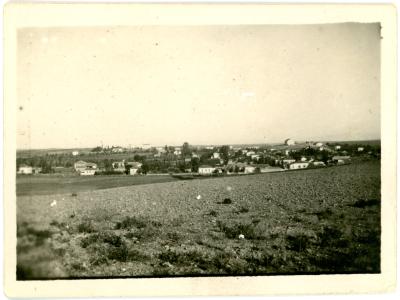
First World War Black and White Photograph of Jewish Village of Deiran
-
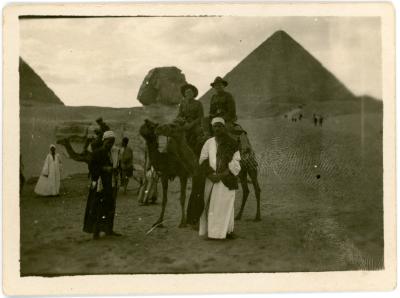
First World War Black and White Photograph of The Pyramids
-
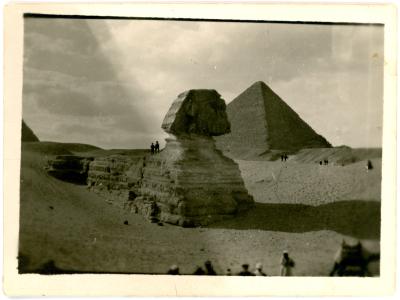
First World War Black and White Photograph of Sphinx and Pyramid at Giza
-
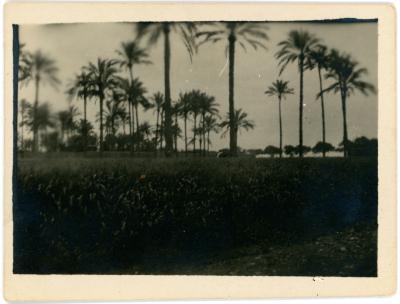
First World War Black and White Photograph of Egyptian Landscape
-
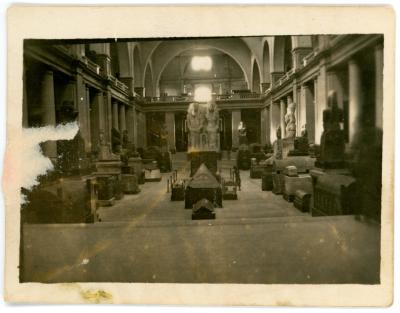
First World War Black and White Photograph of the Interior of the Egyptian Museum in Cairo
-
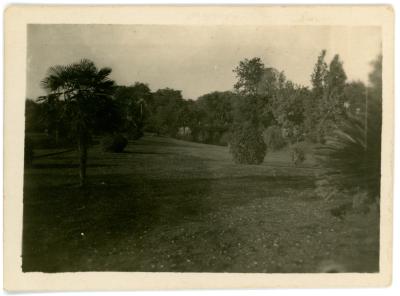
First World War Black and White Photograph of the Barrage Gardens
Scan this QR code to open this page on your phone ->
