
WWII era fundraising badge - 'Penny-a-plane'
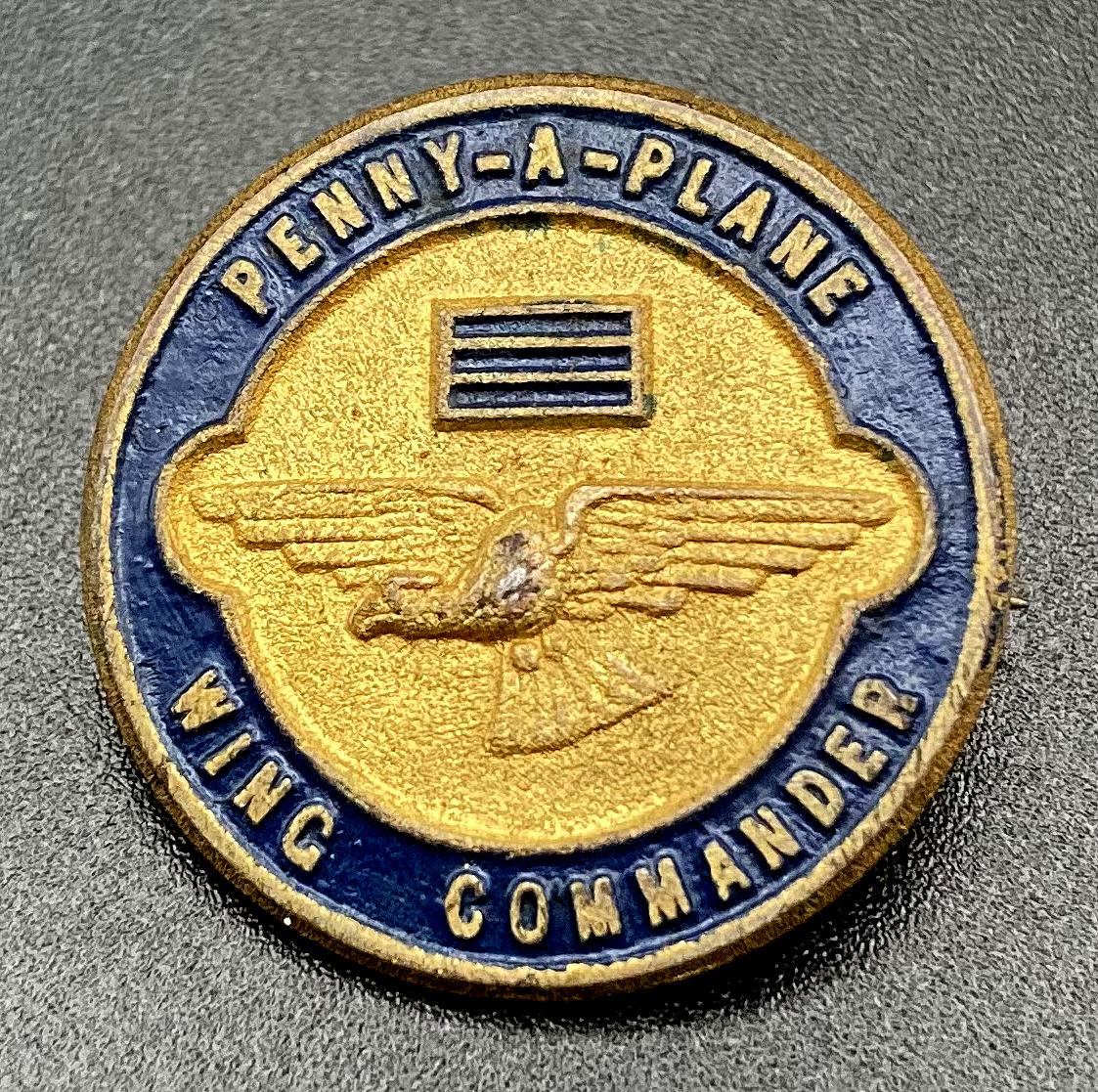
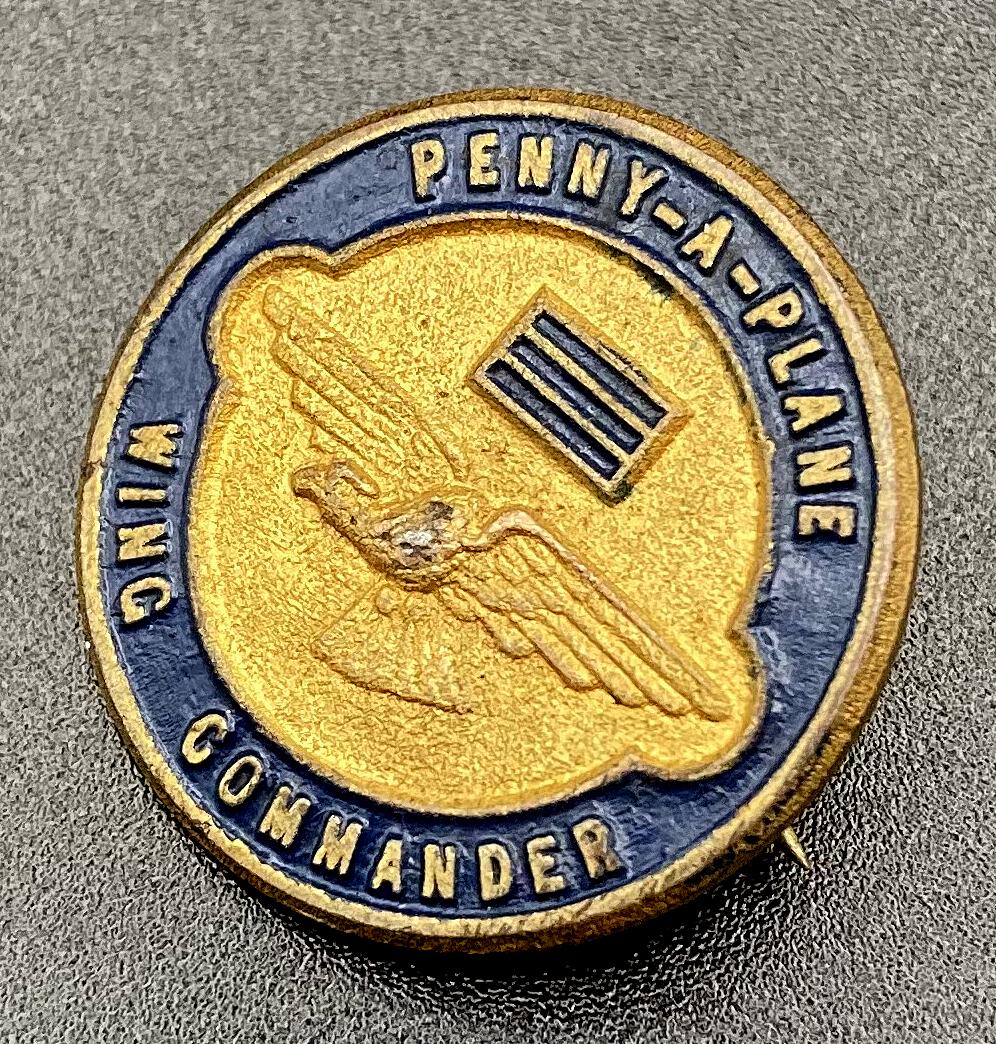
c. 1942 - 1943World War Two era 'Penny-a-Plane' circular gilded brass and dark blue painted fundraising badge issued by the Australian Comforts Fund.
It depicts an eagle with outspread wings on a central textured gold background beneath three horizontal bars (representing rank stripes) which are also infilled with blue paint. This is all enclosed by a dark blue border with raised gold lettering reading 'PENNY-A-PLANE' at the top and 'WING COMMANDER' at the bottom.
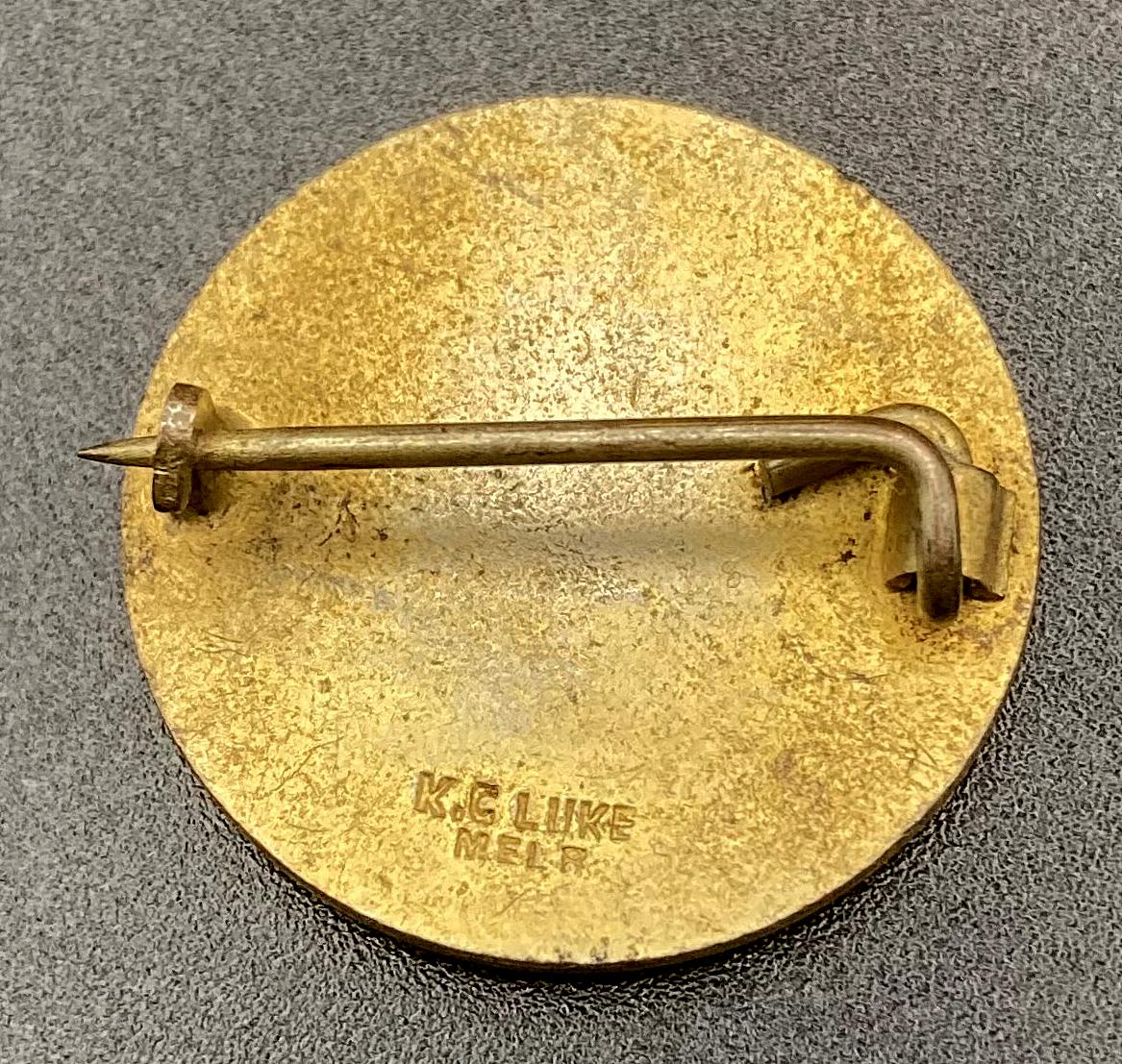
The reverse has the maker's name 'K.G. LUKE MELB' embossed in the lower centre, and a pin clasp for attachment.
The 'Penny-a-Plane"' stamp and donation drive was officially launched by the Australian Comforts Fund in August 1942. This coincided with a time when public anxiety about enemy air raids was at its peak following the historical bombing of Darwin earlier that year. It encouraged citizens to buy a penny stamp for every reported Japanese aircraft shot down, helping fund comforts and support for the fighting forces.
The height of the fundraising drive took place during the school holidays and Christmas period in December 1942, when schools, retail department stores, and local picture theatres heavily promoted the stamp.
It gradually wound down by mid-1943 as the threat of direct air attacks on the Australian mainland diminished and the fund shifted to other patriotic appeals.
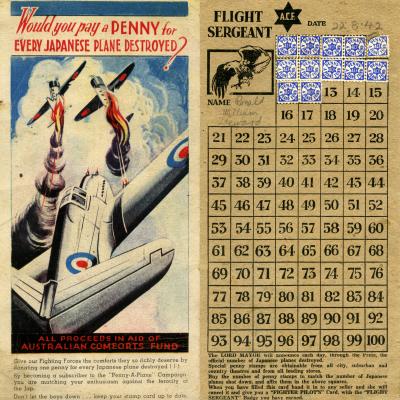
For every Japanese plane shot down, card-holders bought a 1d stamp. A rank and badge were awarded for every 100 stamps bought. Completing successive cards advanced the holder through simulated Royal Australian Air Force (R.A.A.F.) officer and pilot ranks.
According to the Australian War Memorial, during the 1942 World War Two Penny-a-Plane fundraising campaign, the Australian Comforts Fund (A.C.F.) structured its promotion rewards around a sequential 5-tier simulated hierarchy based on the Royal Australian Air Force (RAAF).
Participants started as raw recruits and climbed the ranks by completely filling individual collector cards with 100 one-penny (1d) 'enemy plane destroyed' stamps. Each completed card level unlocked a physical, coloured enamel promotion badge manufactured by Melbourne's K.G. Luke or local distributors, allowing the participant to advance to the next card.
There were comparable appeals in each state with different award badges issued for reaching certain fundraising goals.
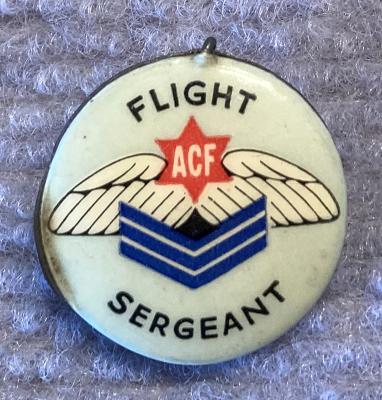
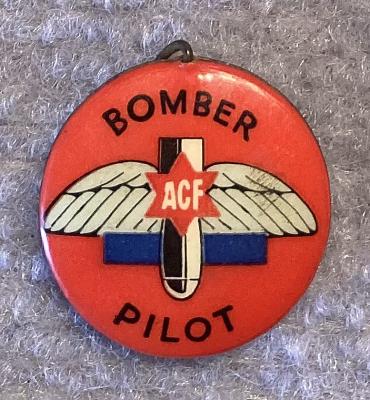
By January 1943, 633 Japanese planes had been shot down, and followers of the campaign in NSW since its inception had passed through the ranks of Flight-Sergeant (100 stamps), Fighter-Pilot (200), Bombing Officer (300), Squadron Officer (400), Golden Eagle (500), and Kittyhawk Ace (600). At this point, they would each have contributed £2. 13s 1d. A seventh category was proposed and was to be called ACF Beaufort, but it is not known if these were ever issued.
In Victoria, the tiers and rank badges were slightly different, starting with Sergeant Pilot (100 stamps), Flying Officer (200 cumulative stamps), Flight Lieutenant (300), Wing Commander (400), and Golden Eagle / Kittyhawk Ace (500).
Western Australian merit badges were completely different in format, having winged brevets rather than circular pins for each rank.
The 'Wing Commander' designation on this metal badge reflects a high tier of achievement (4 completed cards with 100 stamps).
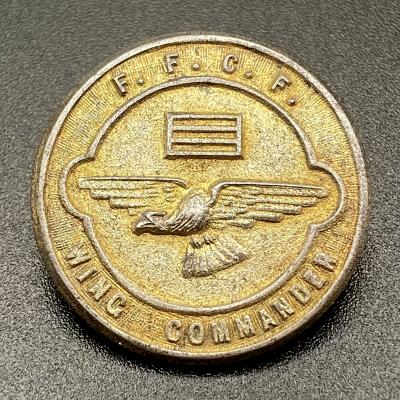
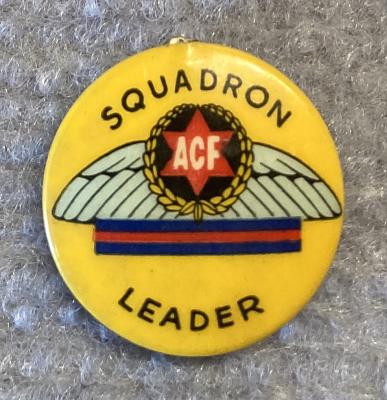
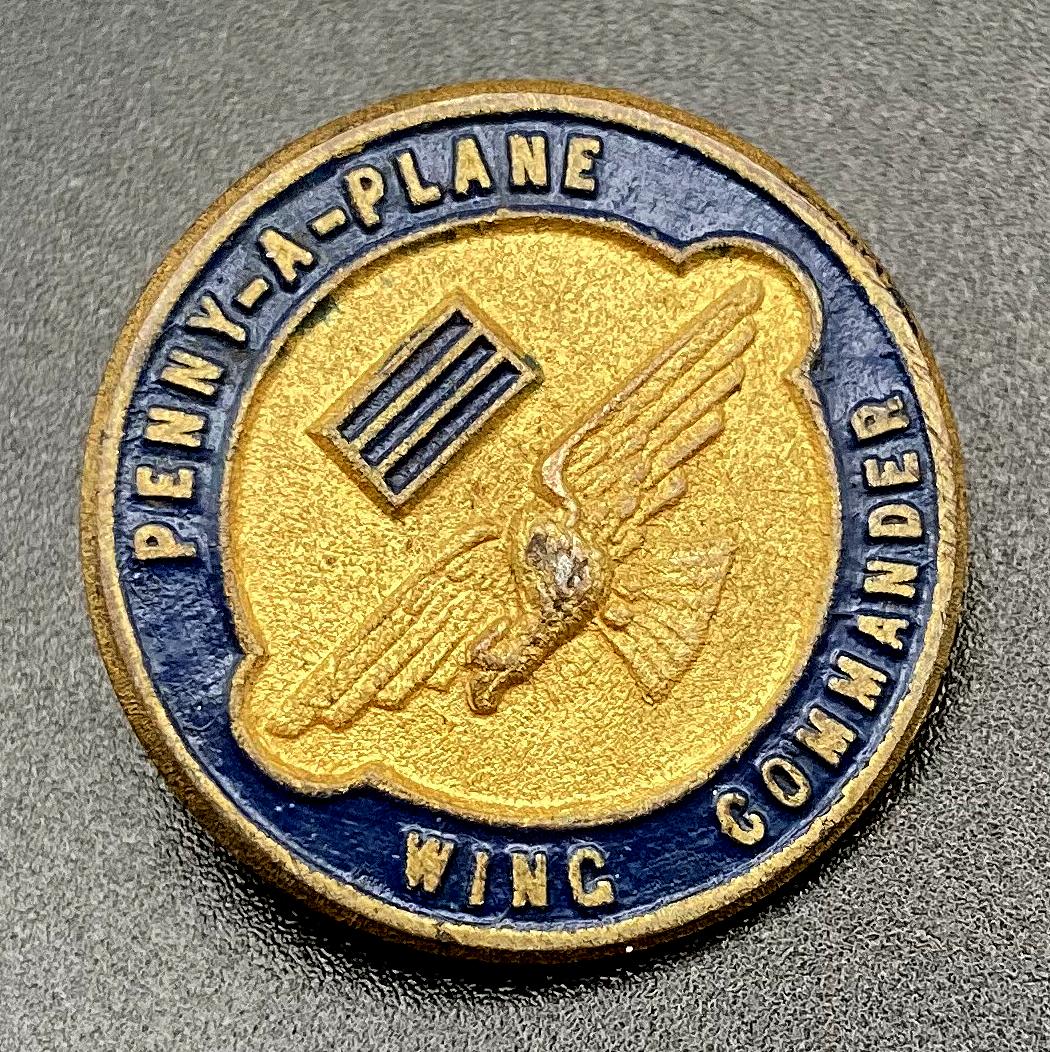
Three of the rank pins/buttons are held in the collection - Flight Sergeant, Bomber Pilot and Squadron Leader - and two different versions of the metal 'Wing Commander' badges. This example is likely to have been issued in Victoria, while the other (which has the Fighting Forces Comforts Fund (F.F.C.F.) logo instead of 'Penny-a Plane' would have been issued in South Australia.
Details
Details
On front of badge:
"PENNY-A-PLANE"
"WING COMMANDER"
On reverse of badge:
"K.G. LUKE
MELB"
Related Objects
Related Objects
Other items by K.G. Luke Melb.
-
WWII era fundraising badge - Fighting Forces Comforts Fund
-
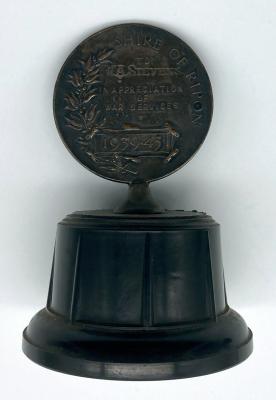
Trophy presented by the Shire of Ripon to W.A. Stevens in appreciation of WWII war service
-
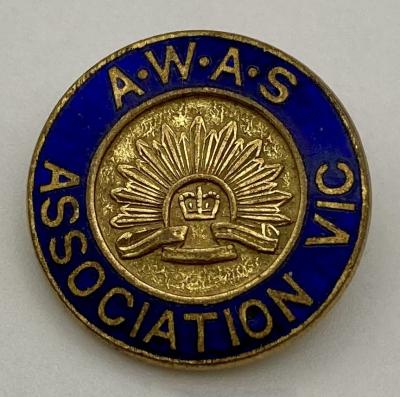
Australian Women's Army Service (A.W.A.S.) Assocation Victoria badge
-
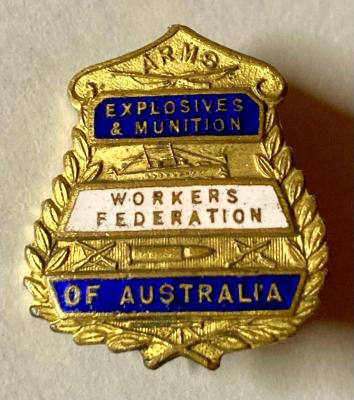
Arms Explosives & Munition Workers Federation of Australia gilt and enamel badge
-
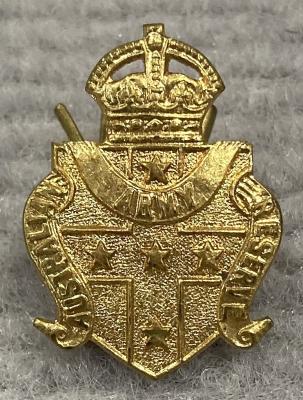
Australian Army Reserve gilded brass lapel badge
-
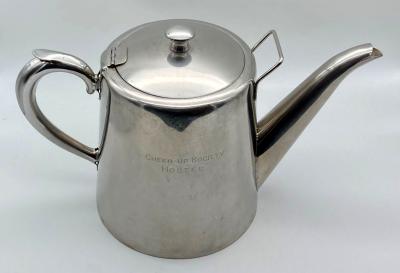
Cheer-Up Society Hostel stainless steel teapot
More items like this
Other items from Recollections of War
-
WWII era trench art coin bracelet dated 1943

-
WWII era trench art coin bracelet for child dated 1943

-
Trench art coin bracelet made from sixpences and threepences

-
WWII era trench art bracelet made from Indian 1/12 Anna coins

-
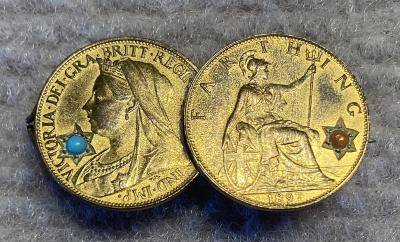
Sweetheart brooch made from gilded and decorated 1897 farthings
-
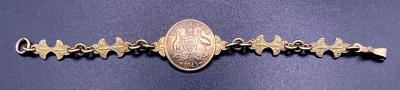
WWII era trench art gilded coin bracelet for child dated 1943
-
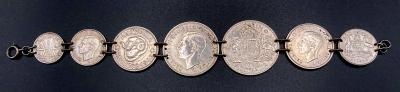
WWII era trench art coin bracelet given to Ethel by Eileen and John

-
WWII era trench art coin bracelet given to Louise by Ernie 1944
-
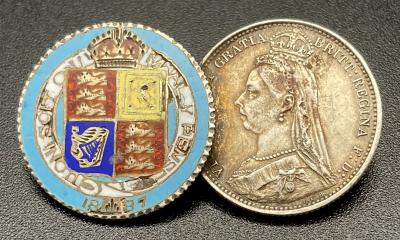
Sweetheart brooch made from two sixpences - enamelled and plain - 1887-1889
-
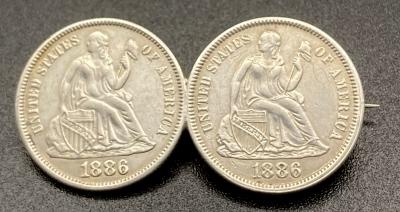
Sweetheart brooch made from two American dimes - 1886
-
Sweetheart brooch made from three Australian threepences - 1910
-
WWII era trench art coin bracelet dated 1942-1944
Scan this QR code to open this page on your phone ->
