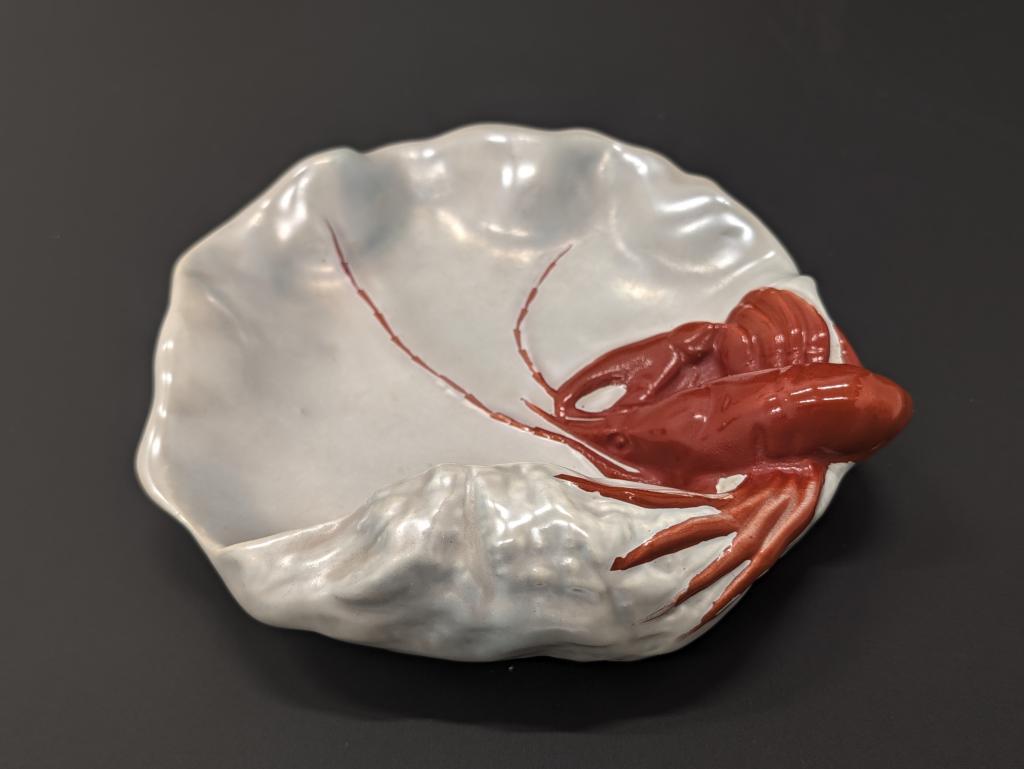
PLATTER: WEMBLEY WARE, LOBSTER, GREY
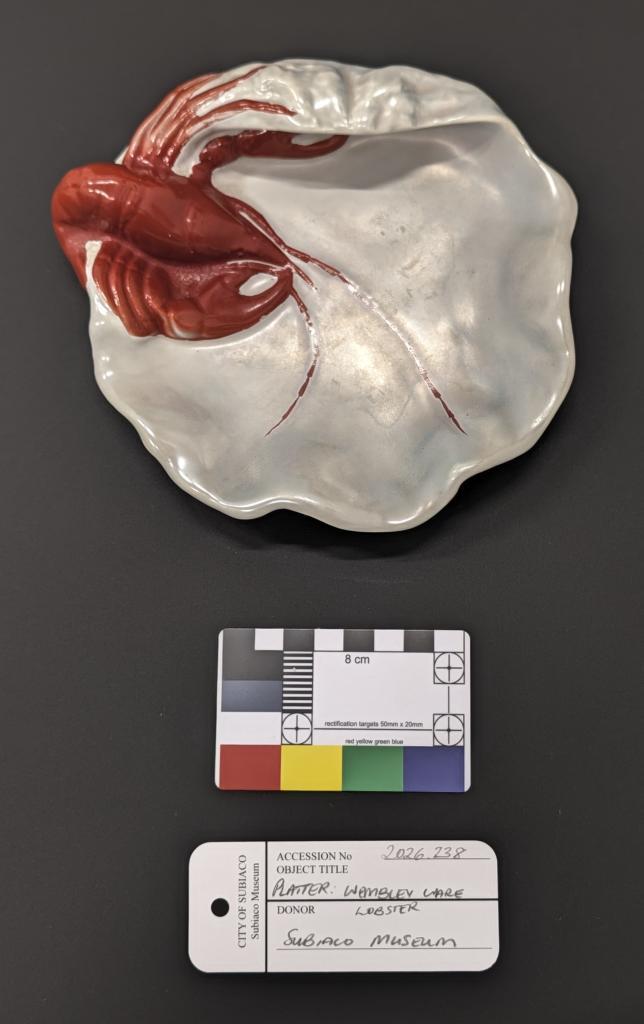
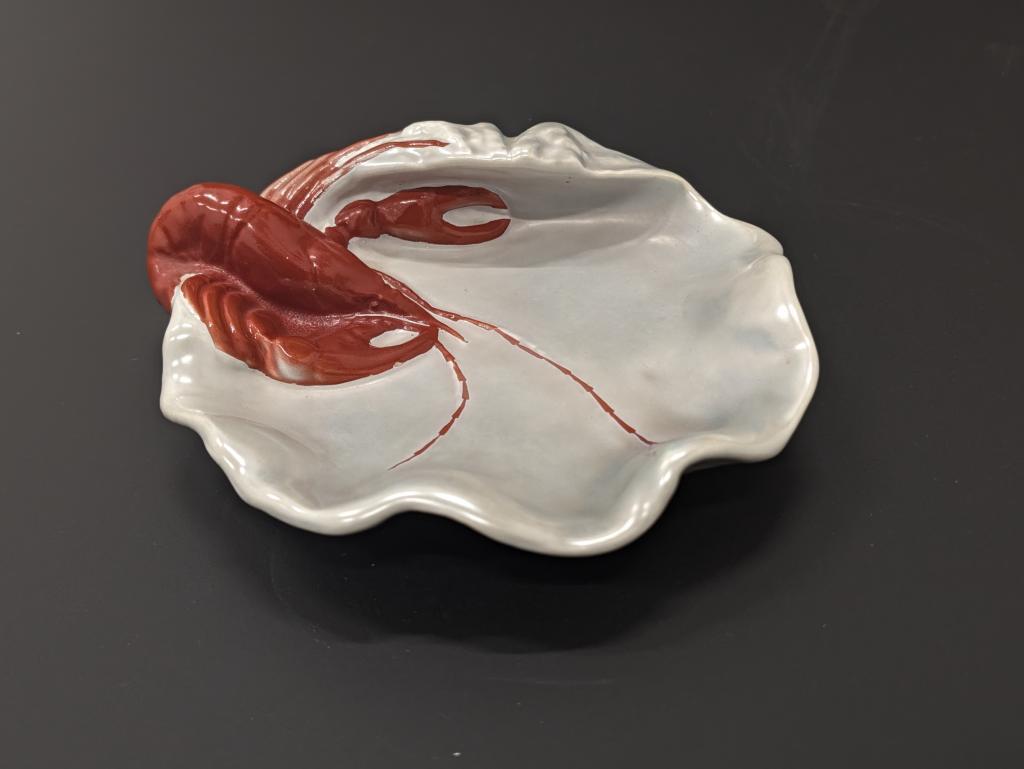
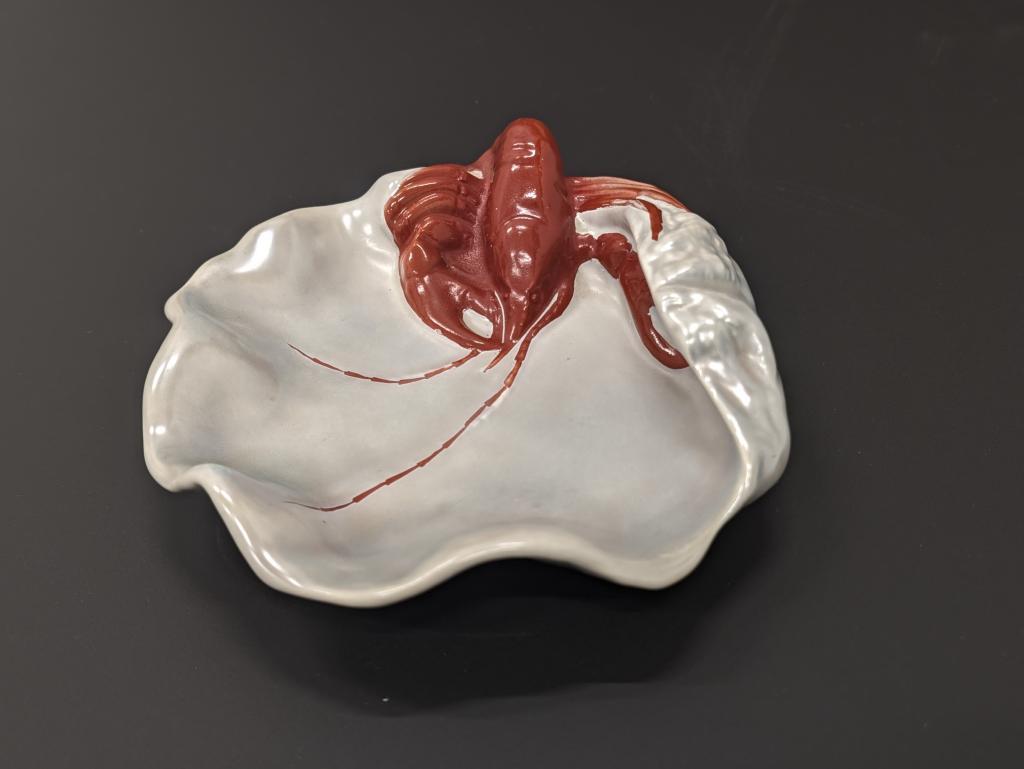
1946 - 1961Shallow ceramic dish in the form of a shell or clam with an irregular, scalloped rim and gently curved sides. The dish is finished in a pale grey, white lustre glaze with a glossy, iridescent sheen.
A raised relief decoration of a red crayfish is positioned along one edge of the dish, with its head and upper body extending over the rim. The crayfish has a segmented body, long, thin antennae extending towards the centre of the dish, and multiple legs extending along the lower edge. The crayfish is finished in a glossy, deep red glaze.
The interior of the dish is smooth, with subtle undulations in the surface.
Appears to be Wembley Ware but there is no marking on the underside
Wembley Ware was a range of decorative glazed ceramics manufactured at the Bristile factory in Subiaco, Western Australia, between 1946 and 1961. Known for its distinctive lustre glazes, vibrant colours and sculptural designs, Wembley Ware became one of Australia's largest ranges of commercially produced decorative ceramics during the 1950s.
The factory was originally established by Calyx Porcelain in 1921 and was taken over by Brisbane & Wunderlich Ltd in 1941. Following the Second World War, the factory underwent significant modernisation and expansion, with production reaching full capacity by 1953. During this period, the company introduced its 'Fancy Ware Range', marketed as Wembley Ware, which was sold throughout Australia and New Zealand.
Wembley Ware combined decorative designs with practical functions, producing a wide range of household and novelty items, including ashtrays, vases, dishes, bookends, shaving mugs and card holders. Many pieces featured highly lustrous glazes and raised sculptural decorations depicting animals, marine life and other motifs. Their functional purpose also allowed the products to avoid taxes applied to purely decorative wares.
George Clausen is credited with providing creative direction and encouraging the factory's modellers and artists. Notable artisans included John Tribe (1904–1974), responsible for many of the more elaborate designs, and ceramic artist Ruby Neevay (1925–2012), who began working for Brisbane & Wunderlich at the age of 15.
Production of Wembley Ware ceased in 1961, although ceramic manufacturing continued at the Subiaco factory, which was renamed Australian Fine China in 1992.
Details
Details
More items like this


Other items from Subiaco Museum
-
DRESS: CHILDRENS, WHITE COTTON BRODERIE ANGLAISE
-
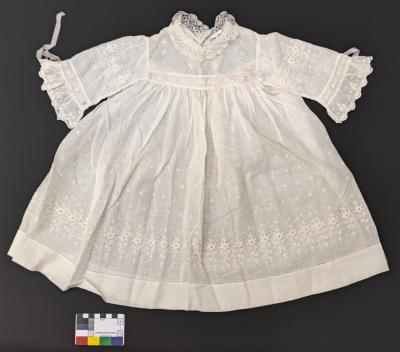
DRESS: CHILDRENS, WHITE COTTON BRODERIE ANGLAISE WITH PINK RIBBON TRIM
-
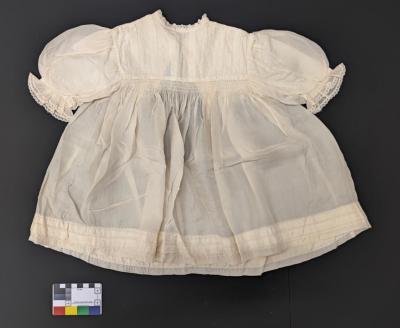
DRESS: CHILDRENS, SILK WITH LACE TRIM
-
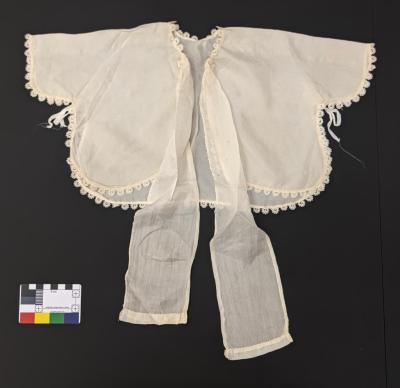
SHAWL: CHILDRENS, SILK WITH LACE TRIM
-
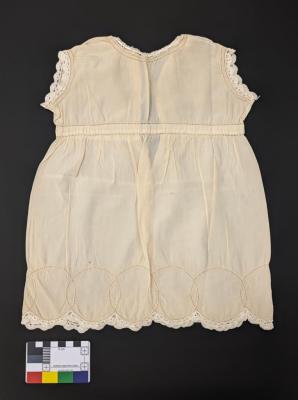
DRESS: CHILDRENS, SILK WITH LACE EDGING
-
DRESS: CHILDRENS, SILK WITH LACE EDGING
-
DRESS: CHILDRENS, SILK EMBROIDERED
-
DRESS: CHILDRENS, SILK WITH LACE TRIM