
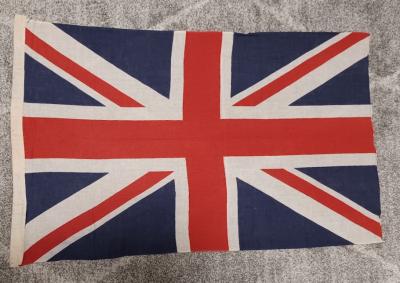
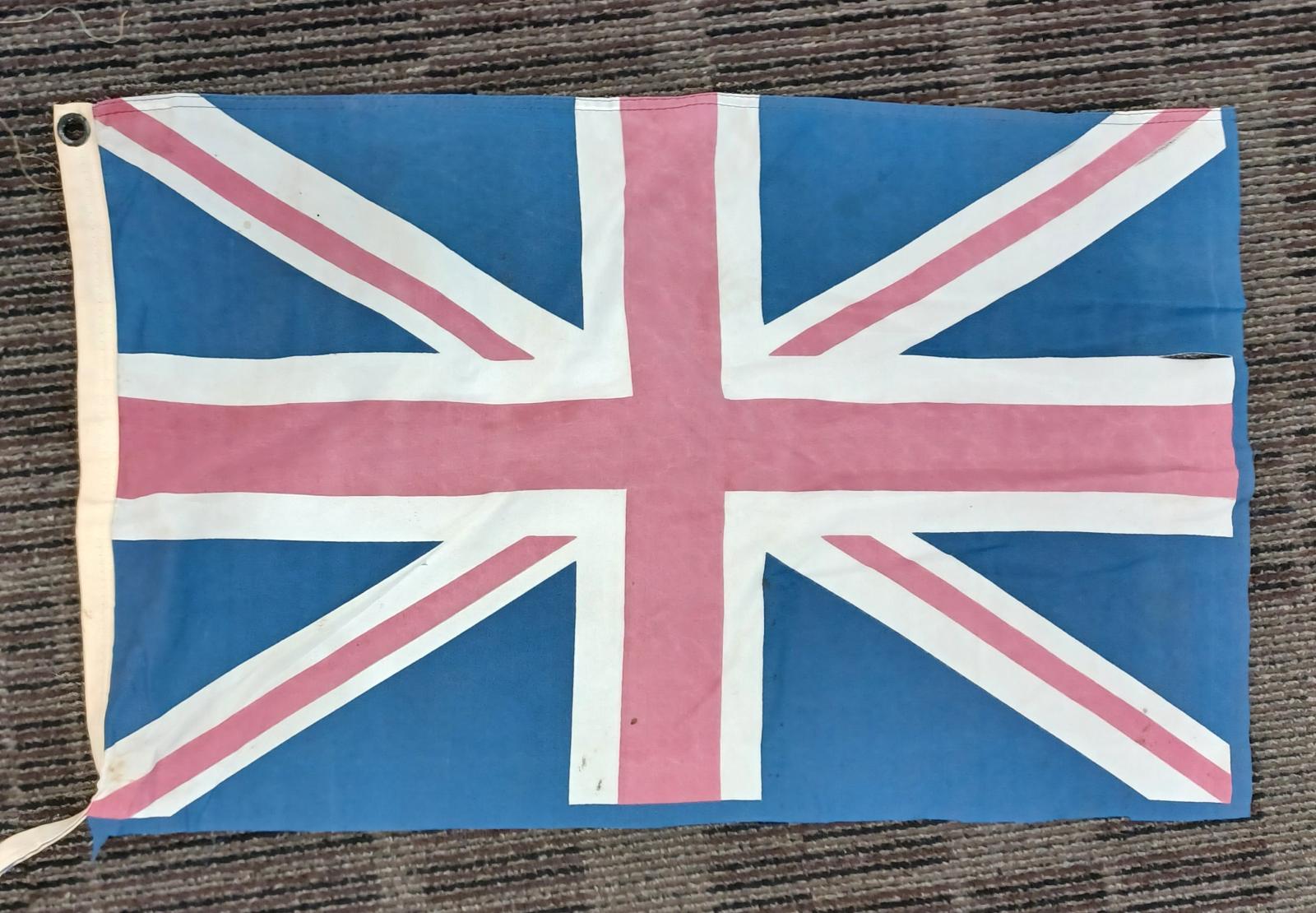
Flag (small) - British Union Jack
rectangular-shaped fabric flag. Blue background with two crosses, red over white.
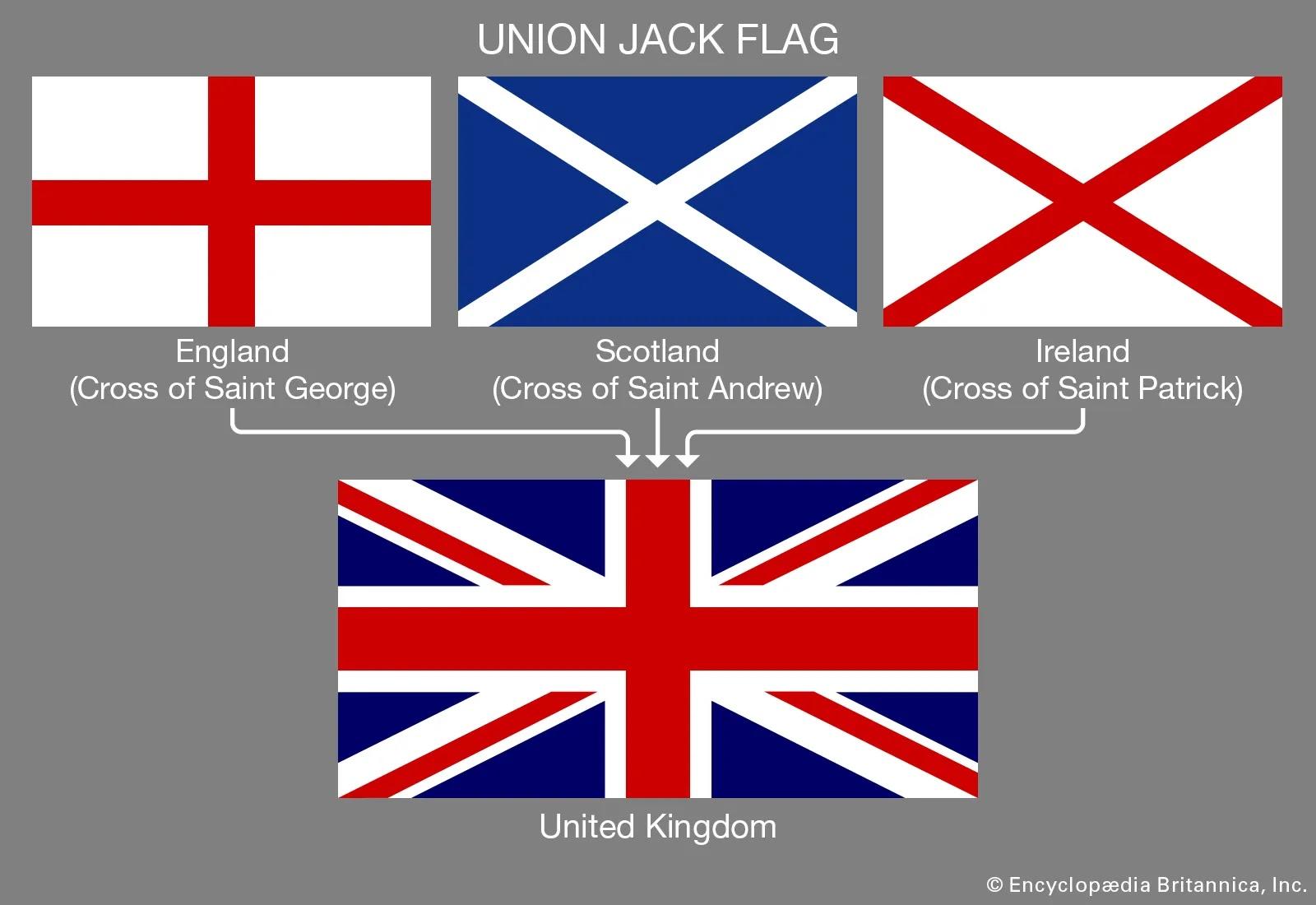
Formally, the correct term for the UK’s national flag is the Union Flag. When this flag is flown on land—at public buildings, during national events, or by civilians—it is technically the Union Flag. However, when the same design is flown on a naval ship, it is traditionally called the Union Jack, because it was originally flown as a small ensign at the bow (front) of British warships.
Union Flag: the correct term when the flag is displayed on land.
Union Jack: historically used for the flag flown at sea.
Details
Details
(none)
Officially, the flag is called the “Union Flag.” So why is “Union Jack” the more common name? Where does “Jack” come from?
The most widely accepted explanation traces it to naval terminology. “Jack” originally referred to a small flag flown from the jackstaff — a small flagpole at the bow of a ship. When Royal Navy vessels began flying the Union Flag at their bows, it came to be called the “Union Jack.” Under this interpretation, strictly speaking, “Union Jack” is technically correct only when referring to the flag as flown at the bow of a naval vessel; on land or in civilian contexts, “Union Flag” is the proper term.
Other items by (creator unknown)
-
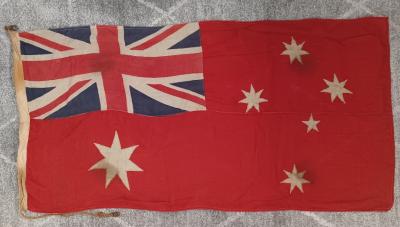
Flag (large) - Australian Red Ensign
-
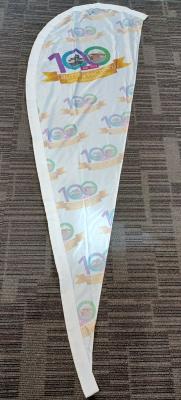
Flag - Busselton Butter Factory 100th Anniversary
-
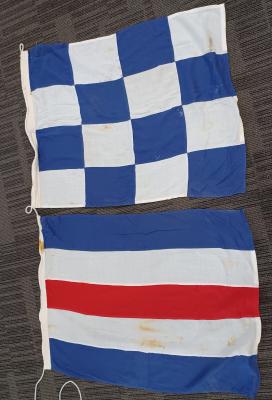
Flag (maritime) - "In Distress"
-
Flag - National Australia
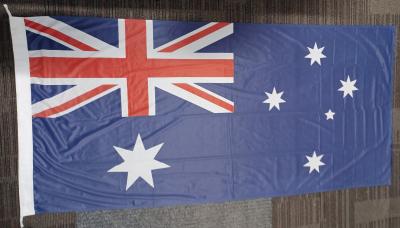
-
Brodie Helmet with Red Cross
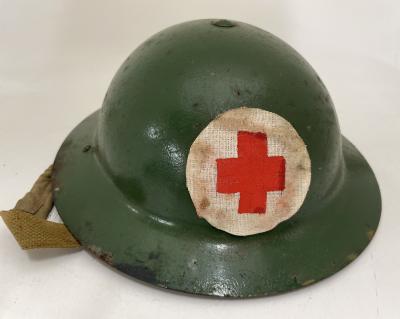
-
Flag - British Reverse White Ensign
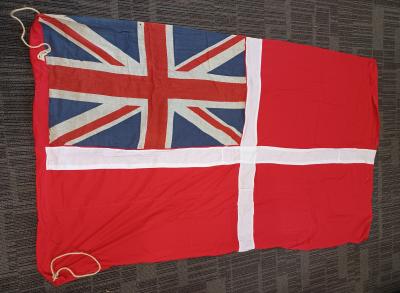
-
Banner - Queen's Busselton Visit 1954
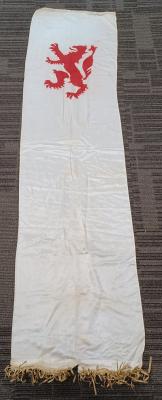
-
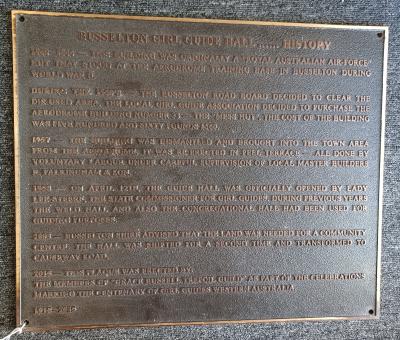
Girl Guides - Hall Plaque
-
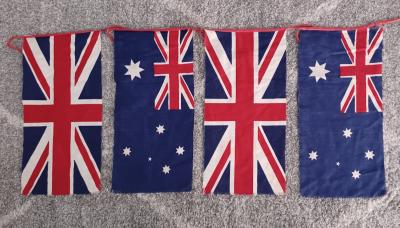
Bunting (flags) - Aust & UK
-
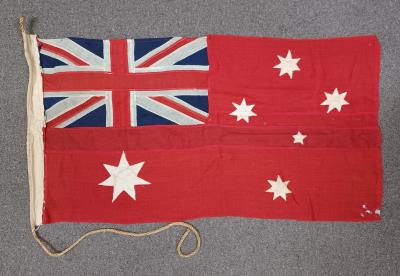
Flag (small) - Australian Red Ensign
More items like this
Other items from Busselton Historical Society
-
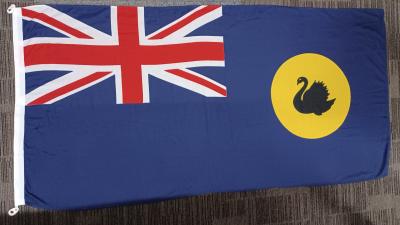
Flag - Western Australia
-
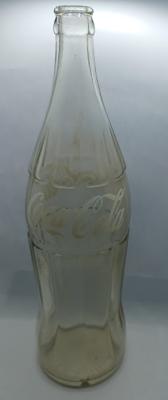
Soft Drink Bottle - Coca-Cola (large)
-
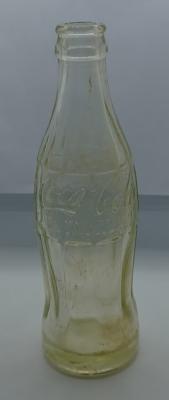
Soft Drink Bottle - Coca-Cola (small)
-
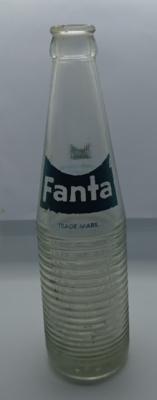
Soft Drink Bottle - fanta (large)
-
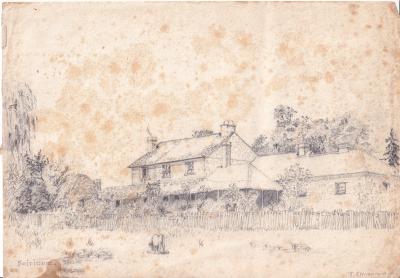
Pencil Sketch - "Fairlawn" by T Ormerod
-
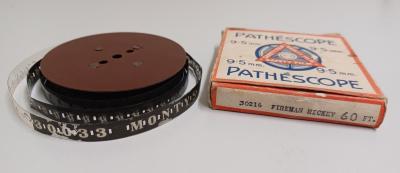
Home Cinema Film - "Pathescope"
-
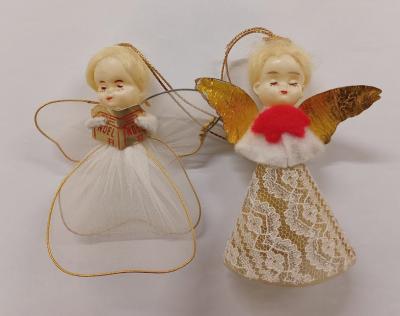
Ornament - Christmas Angels
-
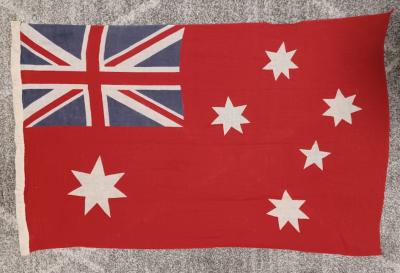
Flag - Australian Red Ensign
-
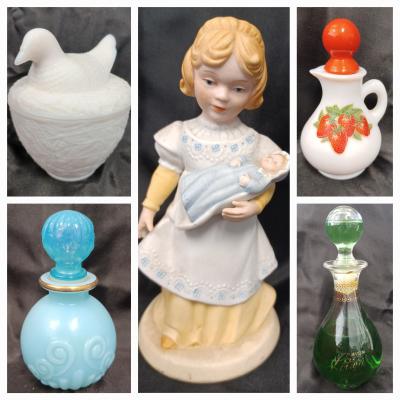
Avon Collection (miscellaneous)
-
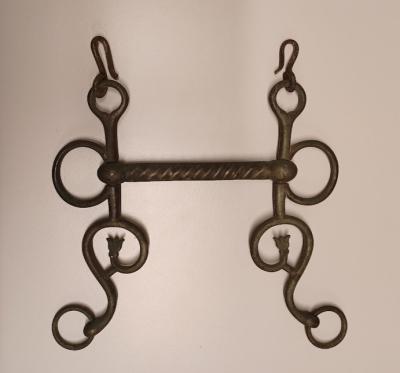
Horse Bit - owned by Amelia Bunbury (nee Pries)
-
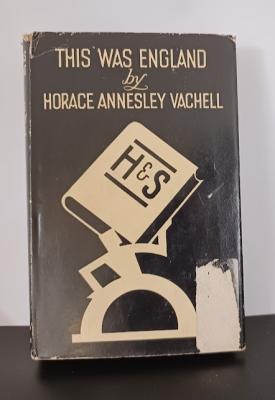
Book - "This Was England" by H A Vachell
-
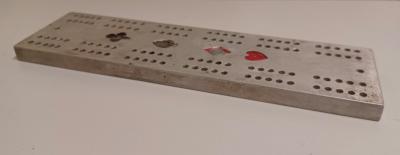
Card Game - Cribbage Board (metal)
(Reference: https://badgesuk.co.uk )
Scan this QR code to open this page on your phone ->
