Bee Smoker
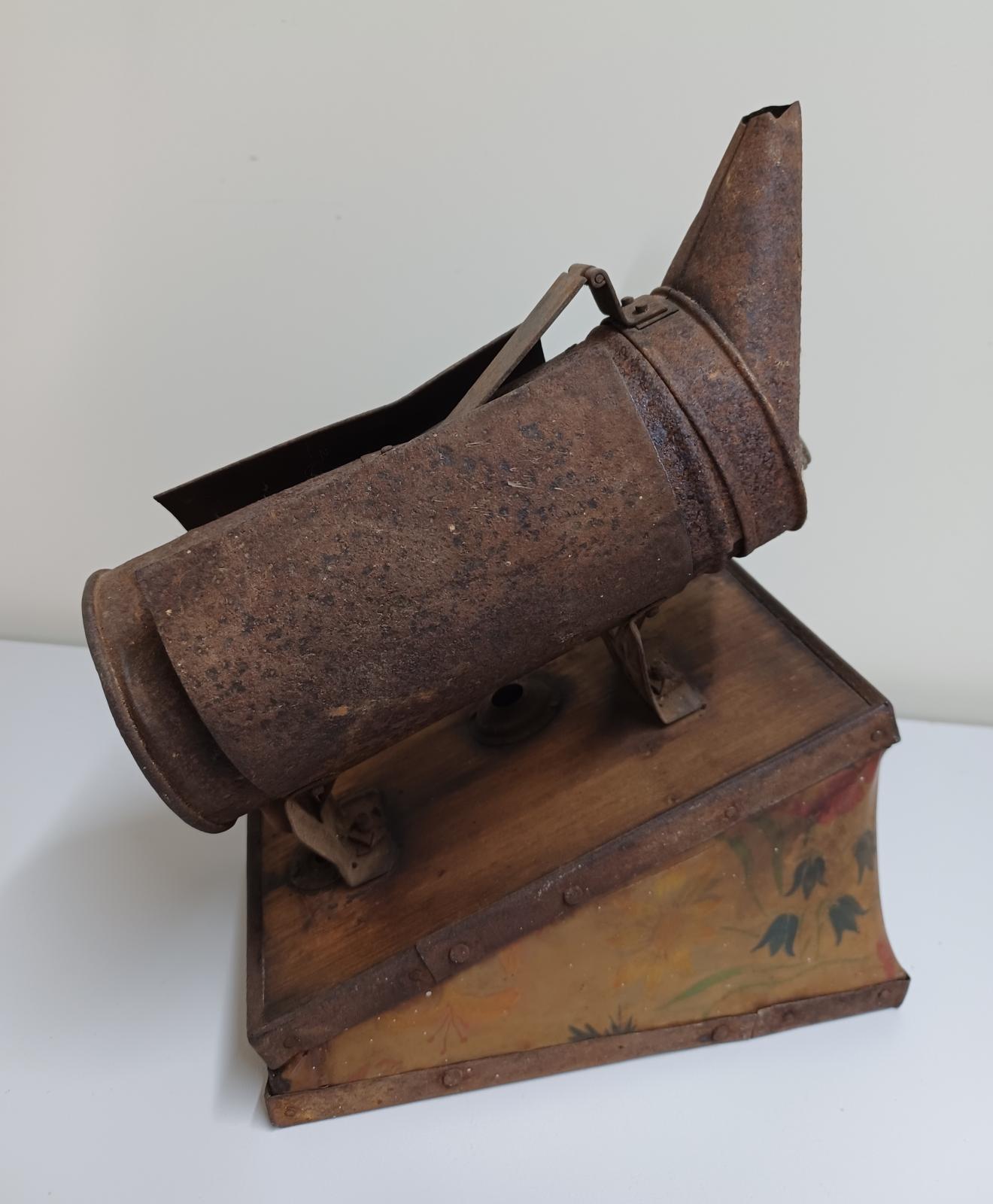
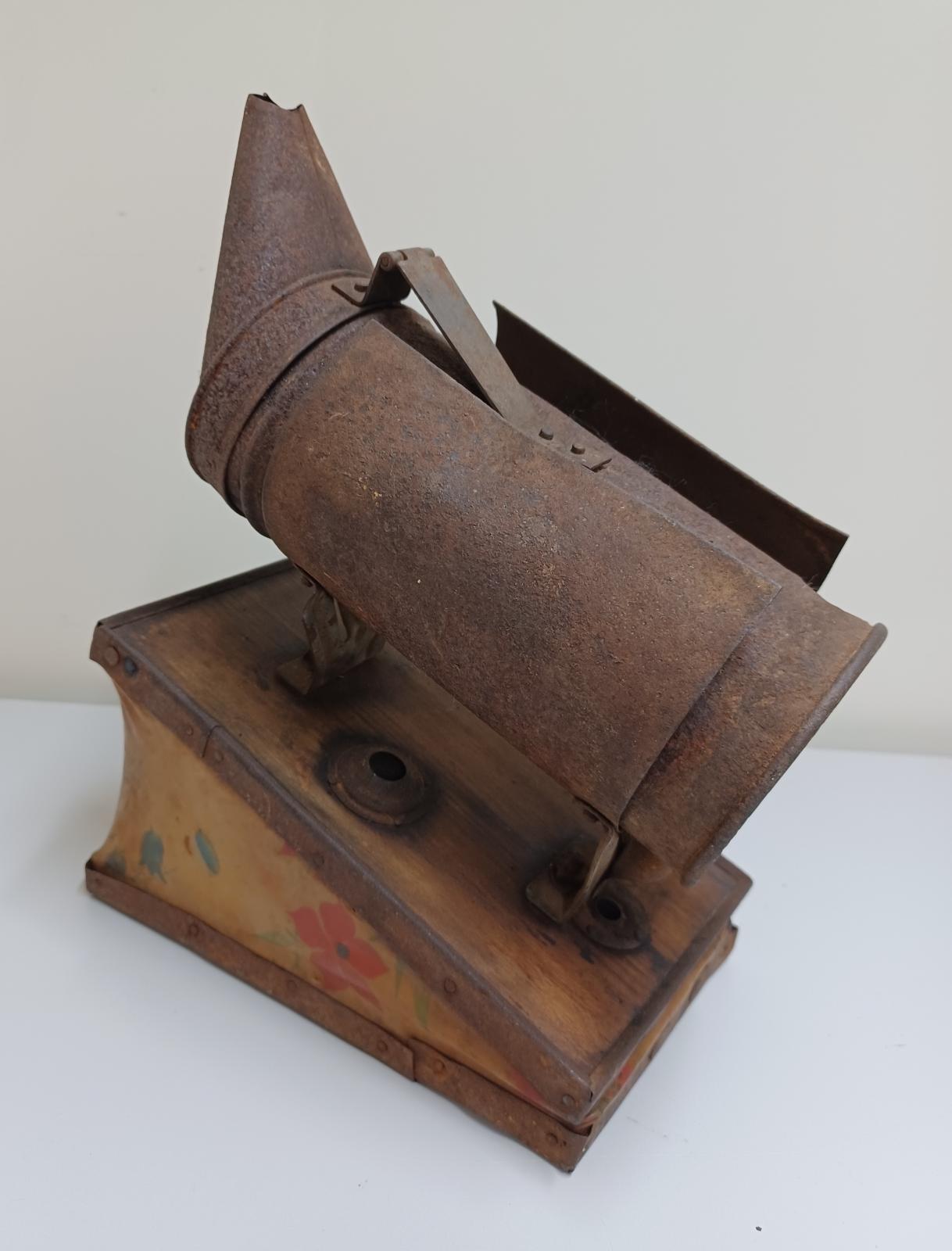
c. 1895This vintage Bee Smoker was designed to generate smoke from the combustion of various fuels e.g. hessian, twine, pine needles, corrugated cardboard, rotten wood or herbs. The fuel smouldered slowly in the burning chamber due to the restriction of oxygen. A squeeze of the bellows provided a blast of air which fed the smouldering fuel and produced smoke. The smoke generated calmed the bees so that the beekeeper could open the hive and harvest the honey without receiving a painful attack from the bees.
The first reference to the introduction of the honey bee into Western Australia appears in the diary of Captain John Molloy who arrived at the Swan River colony in 1830 with a hive in his livestock. Mary Bussell also brought a hive of bees from England when she joined the Bussell brothers in Vasse in 1834. The bees found the conditions ideal for successful honey gathering and the hives swarmed and multiplied.
Early farmers in the Vasse region, wanting to develop an additional source of income, turned to bee-keeping and honey production. A row of gin cases on a rural property was a sign that bee farming was in progress as they were frequently used as hives. The Bee Smoker was an essential piece of equipment for these farmers to protect them from the stings of angry bees.
Details
Details
No markings
A small fire of pine needles is made in the cylinder. The bellows is used to puff out the smoke which has a quietening effect on the bees
Other items from Busselton Historical Society
-
Kerosene Pump
-
Rifle Shooters Bag
-
Wells Single Torch Lamp
-
Secateurs - Henry Boker
-
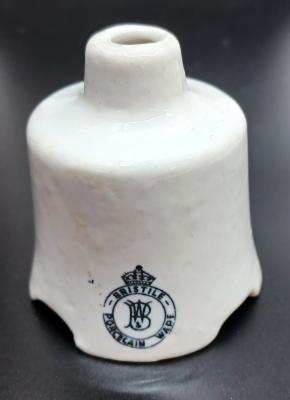
Pie Funnel (or Chimney) - Bristile Porcelain Ware
-
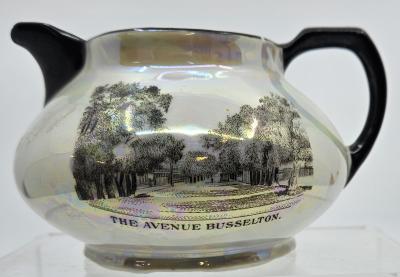
Souvenir Jug - The Avenue Busselton
-
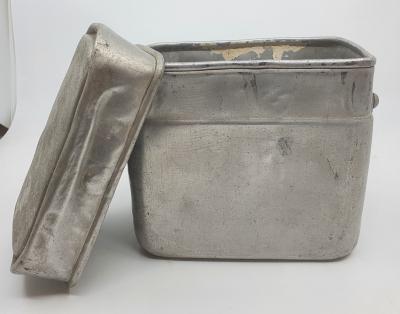
WW1 Aluminium Dixie
-
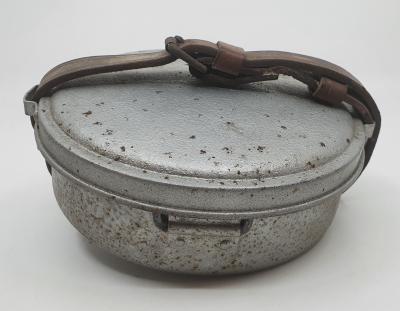
WW2 Aluminum Dixie
-
Demon Strikelight Carbide Lamp
-
WW2 RAAF Boot Brush - owned by F Mouritz
-
WW2 Army Sewing Kit
-
Brodie Helmet with Red Cross