Gingerbread Clock - Session
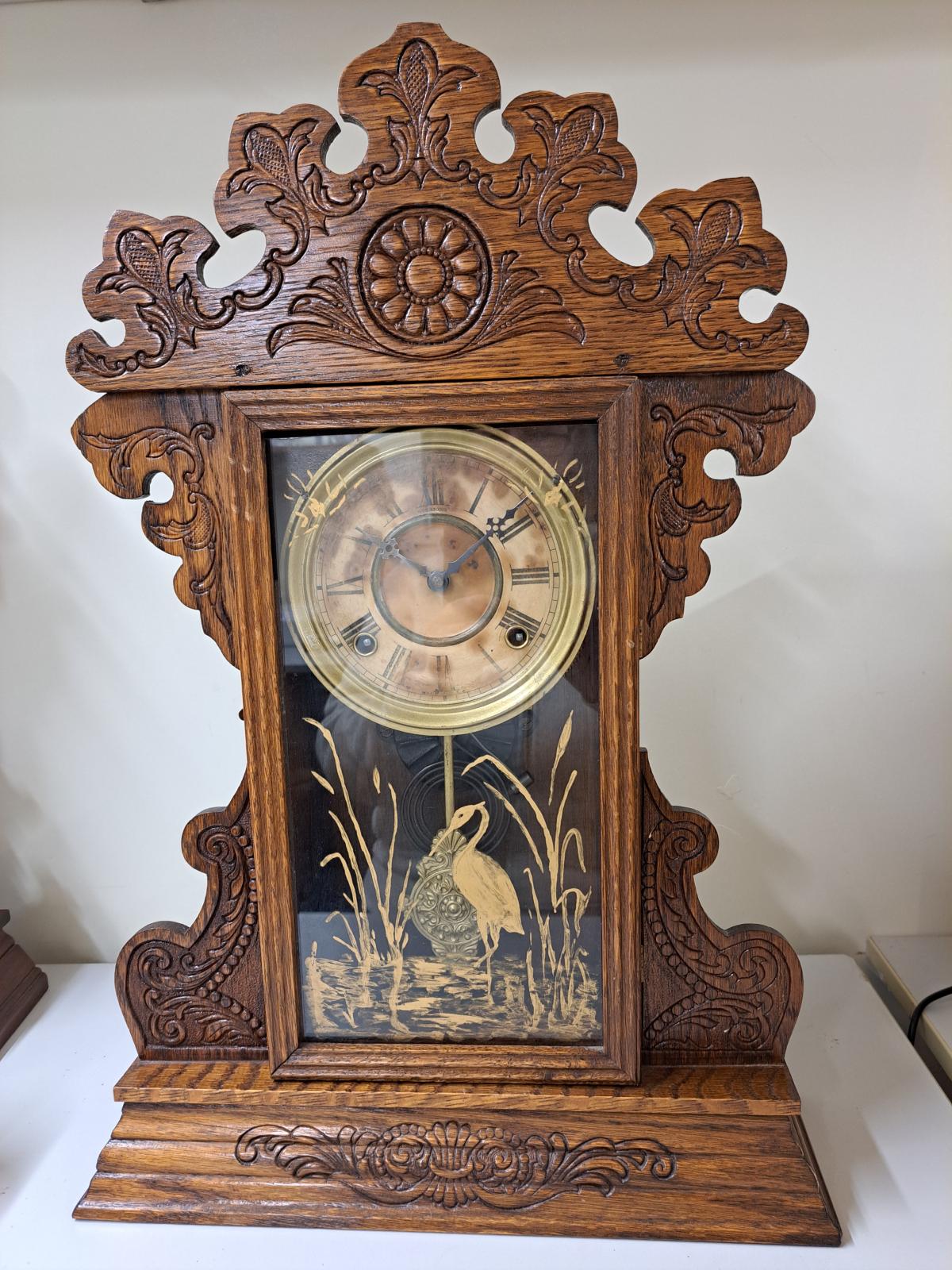
c. 1903 - 1933Gingerbread Clock made of wood with intricate carved designs that resembled ginger-bread houses. Also known as Kitchen Clocks due to their use for starting the household’s day.
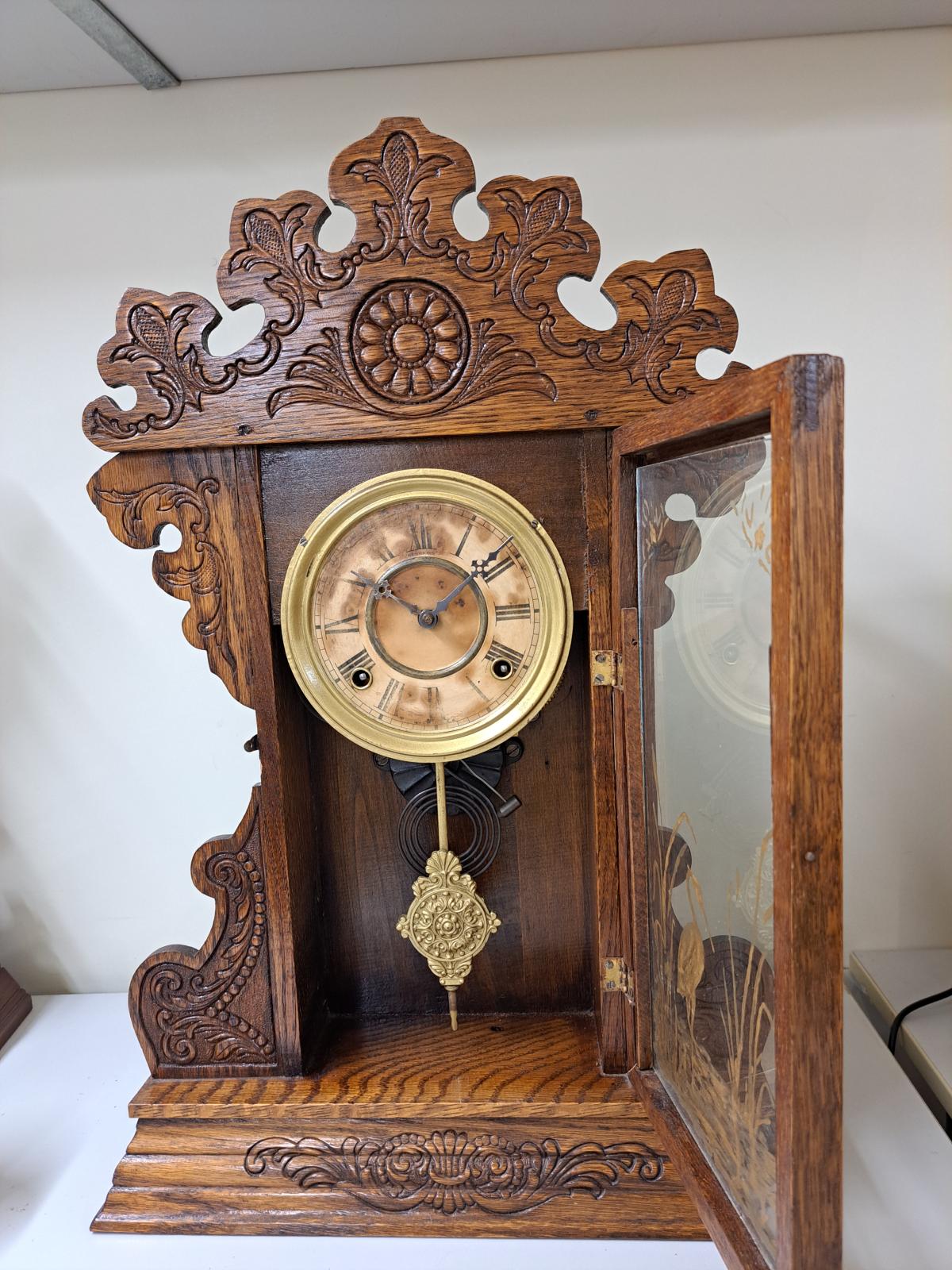
Crafted Ornate Walnut Casing. Round Brass Face with Black Roman Numerals, ornate pendulum all encased behind a Glass Door decorated with a painted picture.
8-day movement which was spring-driven. It has two off winding arbours on the dial - both turn to the left. There is a coil spring gong which struck once on the half hour and once on the hour.
In 1902, William E Sessions and family members purchased a controlling interest in clock manufacturer E.N. Welch Company located in Forestville, Connecticut. Sessions' father owned a foundry that produced cases for E.N Welch Co. and on January 1903, the company was reorganized as The Sessions Clock Company.
Between 1903 and 1933 Sessions produced 52 models of mechanical clocks, ranging from Advertisers, large and small clocks with logos of various businesses, to wall, or regulator clocks, and shelf or mantel clocks, designed for the home. Session clocks from this period are prized by many collectors.
In 1930, the company expanded to include the production of electric clocks and timers for radios. Beginning at the end of World War II Sessions W Model (electric) was widely used by various casting companies for their clocks. The dial of the W Model read Movement by Sessions. In the early 1950s Sessions begin to produce timers for television.
In 1956, Sessions was absorbed by a company who were primarily interested in their timing devices. In 1959, William K. Sessions, grandson of William E. Sessions left the Sessions Clock Company and formed the New England Clock Company.
Kept as the Sessions Company, the new owners ran the operation until 1969 when changes in the market forced the Sessions Company into liquidation. In 1970.
Details
Details
maker’s name “Sessions” above XII
A Sessions gingerbread clock is a type of American Victorian-era shelf or wall clock, popular between 1903 and 1933, known for its intricate steam-pressed oak cases resembling gingerbread decorations. Often called "[kitchen clocks]" because they were widely used in kitchens to start the day, they are mechanical, key-wind clocks with 8-day movements that chime on the hour and half-hour
Other items from Busselton Historical Society
-
"Reverse 44" glassware - Pressed Glass Water Jug
-
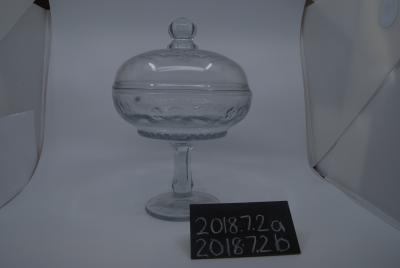
Glass Compote Bowl with Lid
-
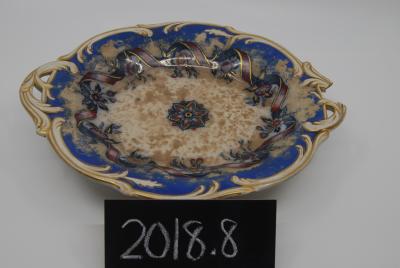
Dessert Serving Dish
-
Wooden Gavel - Ancient Order of Foresters (belonged to W Smith)

-
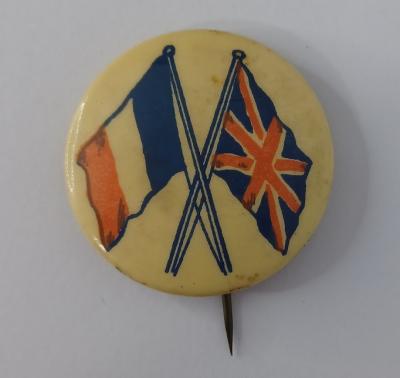
Fundraising Badge - Entente Cordiale
-
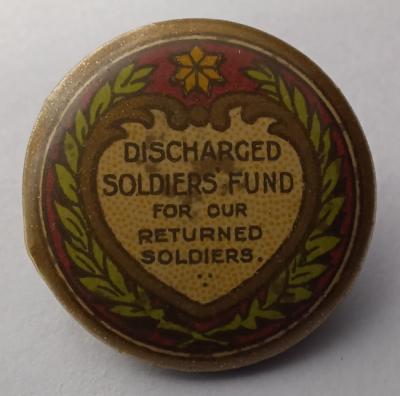
Fundraising Badge - "Discharged Soldiers"
-
Fundraising Badge - "Our Baby's Day"
-
Fundraising Badge - "Our Sailors Day"
-
Copper Lustre Ware Jug
-
Pressed Glass Decanter
-
Cut Glass Decanter with Stopper
-
Bedside Water Carafe