
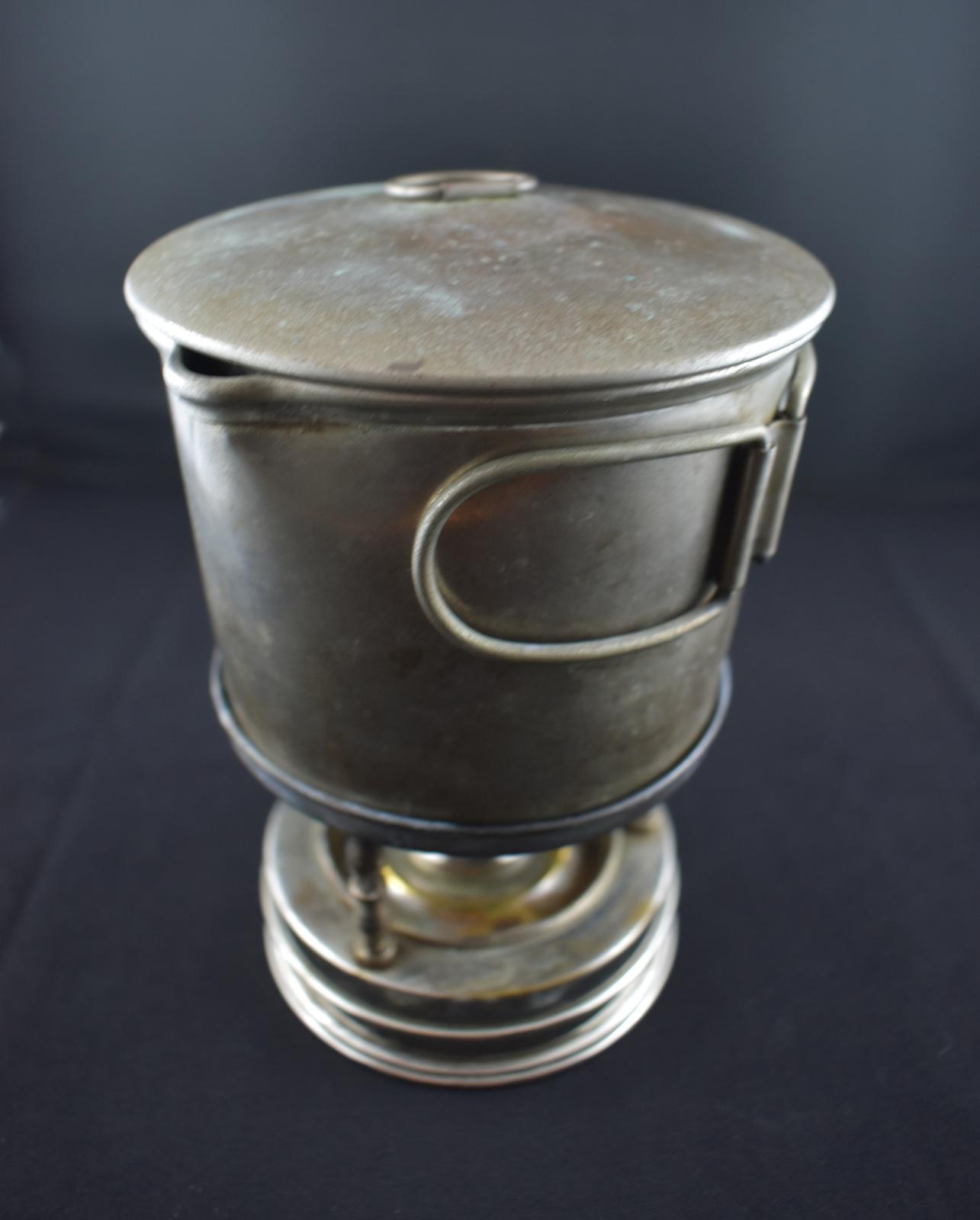
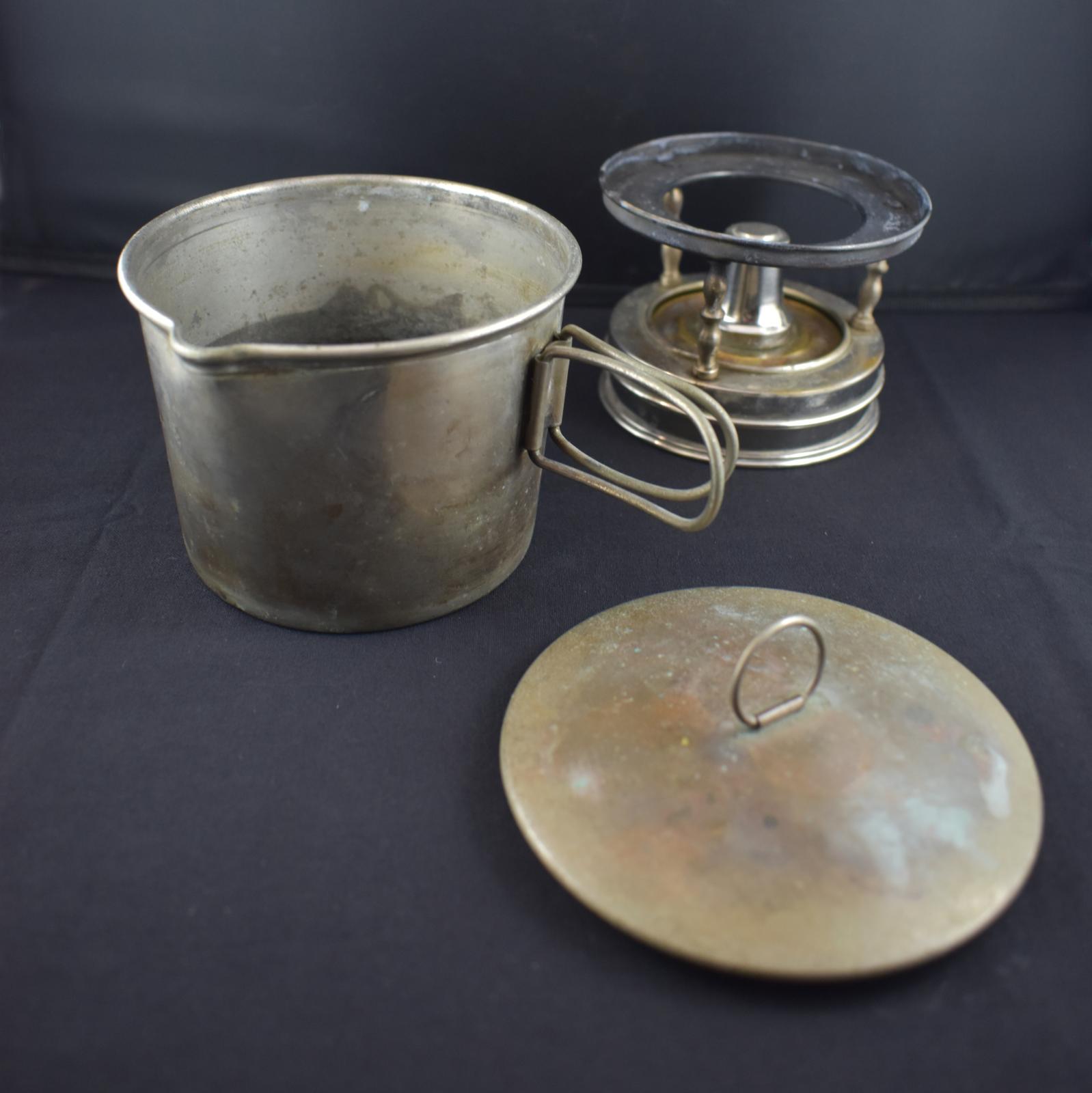
First World War Officer’s Metal Fuel Stove as used by Captain (later Major) Maurice Buchan JOHNSON
c. 1914Officer’s small metal fuel stove consisting of a lidded cup with two handles and a small spout with a two (2) part internal section comprising a stand and fuel cannister with wick and crew cap. The base of the cup is inscribed with the ‘caduceus’, signifying the medical profession.
The Australian Army Medical Corps was formed on 1 July 1902, shortly after the formation of the Commonwealth Military Forces by combining the medical services of the Australian colonies. This came soon after Australian medical services had operated in the Second Boer War (11 October 1899 – 31 May 1902), providing a field hospital and stretcher bearers to support the Australian Commonwealth Horse and forming a Brigade. In the First World War the Australian Army Medical Corps included specialist units which served wherever Australian soldiers served. A 3-tiered system was developed with Field Dressing Stations providing dressings and tourniquets; Field Hospitals were located close to the Front providing emergency treatment and surgery; large hospitals were located away from the Front providing prolonged treatment. This system expanded to include Casualty Clearing Stations, Field Ambulances, Stationary hospitals, Infectious Diseases hospitals, Hospital Ships, Convalescent depots and Sanitoriums. “World War I saw, for the first time, medics rushing forward with the troops, finding the wounded, stopping their bleeding, and bringing the wounded soldier to the aid station. In World War I medics were no longer expendable and were well trained. After World War I, Military Medicine advanced. Training became a priority both in fighting and medical care. Medics were trained alongside infantry soldiers, learning how to use the lay of the land for their protection and that of their patients. Medics were also trained in the use of pressure dressings, plasma IV' tracheotomy, splints, and administering drugs.” Source: https://www.raamc.org.au/web/index.php?History
Details
Details
The base of the cup is inscribed with the ‘caduceus’, signifying the medical profession. The letter “L” is on the left-hand side of the caduceus with the letter “C" on the right-hand side. The letter “0” appears below.
Maurice Buchan JOHNSON was born on 18 September 1881 in Kew, Victoria. Appointed to the Australian Army Medical Corps (AAMC) on 19 September 1914, he embarked Australia on HMAT Kyarra (A55) on 5 December 1914. He served at the 1st Australian General Hospital and later at the AAMC training depot, where he was promoted to the rank of Major in November 1916. Records show that he was hospitalised due to Synovitis in his right knee, a condition that saw him spending time in the Number 3 General Hospital in London before being found fit by the Medical Board in April 1916. and then transferred to the Number 12 Field Ambulance in June 1917. By January 1918 his knee condition was listed as ‘chronic, but JOHNSON continued to serve. On 11 April 1919 his appointment was terminated after being deemed “Medically Unfit for Active Service”. JOHNSON received the 1914/15 Star, the Victory Medal and the British War Medal in recognition of his service. On his return to Australia, JOHNSON practised medicine in Albany and was involved in several community groups and activities: President of the Albany sub-branch of the RSL (1923), Vice President of the Albany Cricket Association (1924). JOHNSON is associated with the official unveiling of Albany’s Roll of Honour Board’ on 25 April 1924 which features the names of 597 personnel who enlisted from Albany in the First World War. In addition, he was associated with the Albany Ambulance Brigade and conducted their First Aid examinations, assisted by Dr Arthur HOME. In 1928 JOHNSON and his wife left Albany for Perth and later travelled to North America and England in 1929 to observe the “splendid advances … made in the use of radiology”.
(The Daily News Tuesday 23 April 1929, p7). After his death on 18 January 1949, JOHNSON’s wife, Ruth, bequeathed $400 to the University of Western Australia for the ongoing “Maurice Buchan Johnson Prize in Botany”, awarded to the biology student majoring in and achieving the highest mark in ‘Plant Diversity and Conservation’.
Open in Google Maps
Nearest geotagged records:
- Invalid Cup (0km away)
- Peter LONEY Letter (0km away)
- Ellis SILAS Water Colour Painting (0km away)
- Engraved Japanese Water Bottle belonging to Robert George Staunton RENNIE WX7493 (0km away)
- Enlistment Poster (0km away)
- W. D. & H. O. Wills Lace Flag Cigarette Cards (0km away)
- First world War Picture Postcard (0km away)
- Photograph of the Japanese surrender to Australia on 13 September 1945. (0km away)
- Engraved Tin given to Major Arthur Robinson HOME WX11151 (0km away)
- Martini-Henry action (0km away)
Nearby places: View all geotagged records »
Princess Royal Fortress Military Museum
Princess Royal Fortress Military Museum
Other items from Princess Royal Fortress Military Museum
-
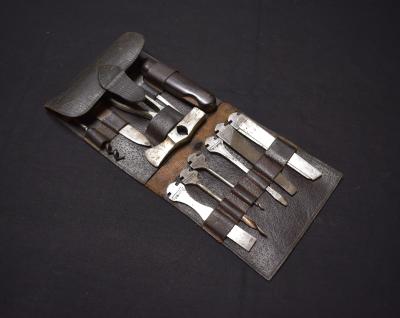
First World War German ‘Bonsa’ Folding Telegraphist Tool Kit belonging to Captain (later Major) Maurice Buchan JOHNSON
-
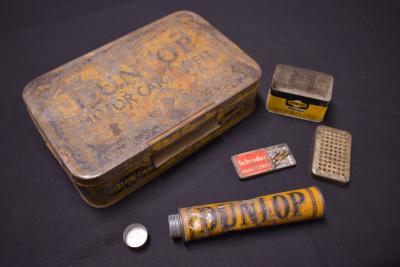
Dunlop Motor Car Outfit as used by Dr Maurice Buchan JOHNSON
-
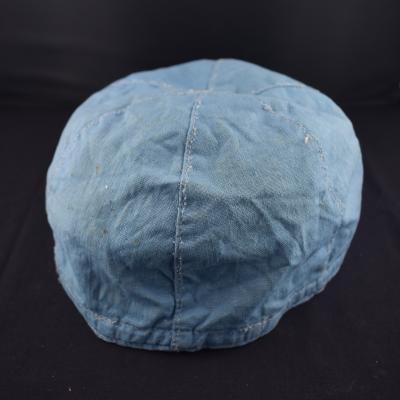
Medical Cap worn by Dr Maurice Buchan JOHNSON
-
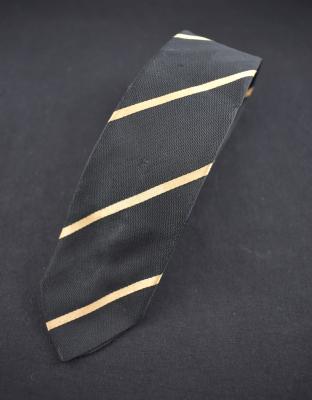
Men’s Striped Tie worn by Dr Maurice Buchan JOHNSON
-
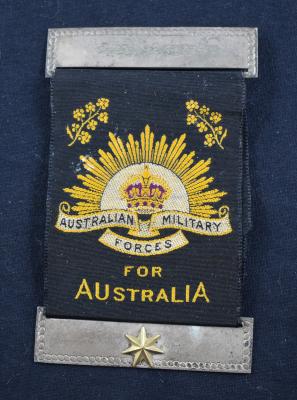
First World War Mothers and Widows Ribbon issued to Mrs E. Taylor, number 22566
-
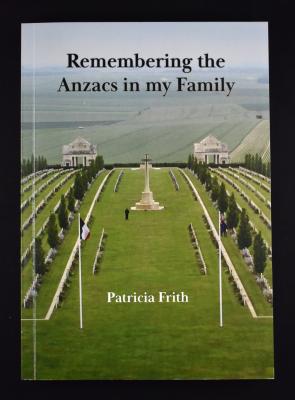
'Remembering the Anzacs in my Family' Book by Patricia FRITH
-
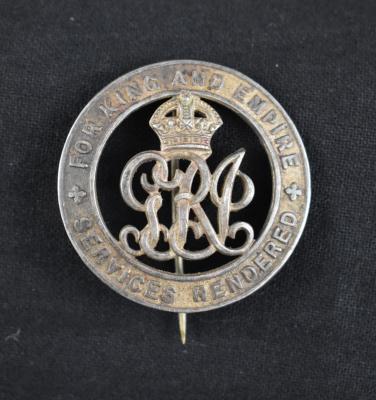
First World War Silver War Badge of L/Cpl Albert Benjamin FREDERICKSON 933
-
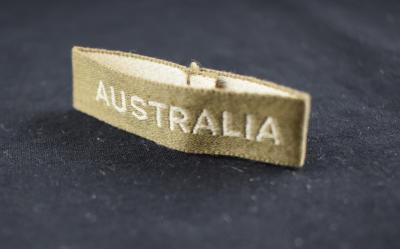
Second World War ‘Australia’ Khaki Shoulder Flash
-
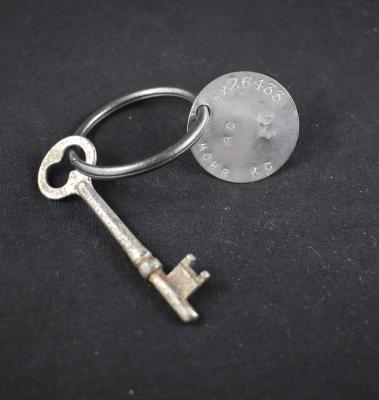
Second World War Metal Identity Disc issued to Sapper Kingsley Charles MOHR WX26433 with Key
-
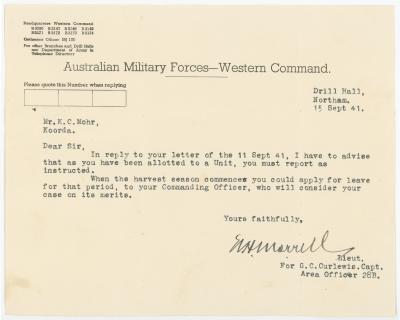
Second World War Australian Military Forces letter to Sapper Kingsley Charles MOHR WX26433 dated 15 September 1941
-
Second World War Small Notebook used by Sapper Kingsley Charles MOHR WX26433
-
Second World War Australian Military Forces ‘Notice to Recruits’ to Sapper Kingsley Charles MOHR WX26433
Scan this QR code to open this page on your phone ->
