

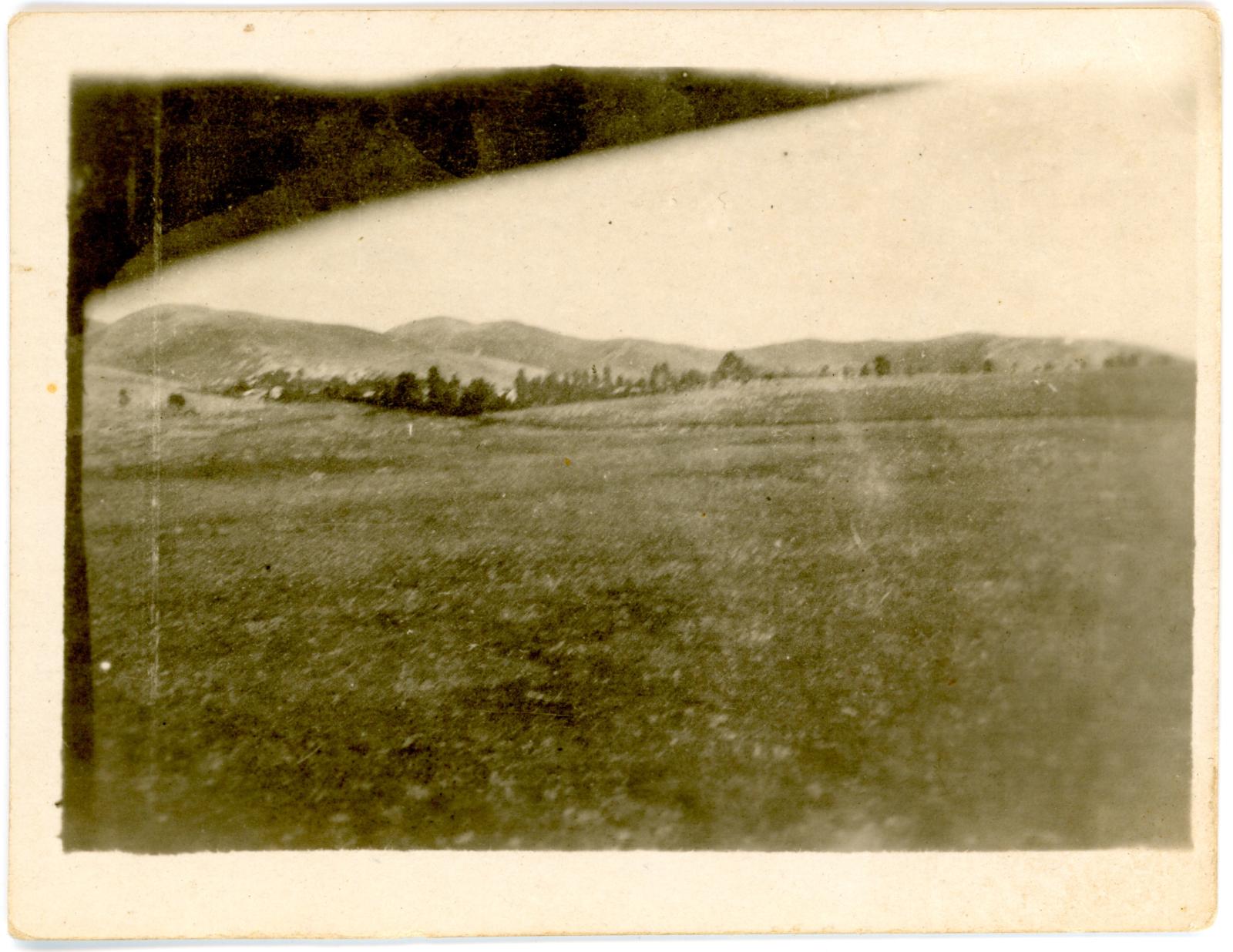
First World War Black and White Photograph of Village near Damascus
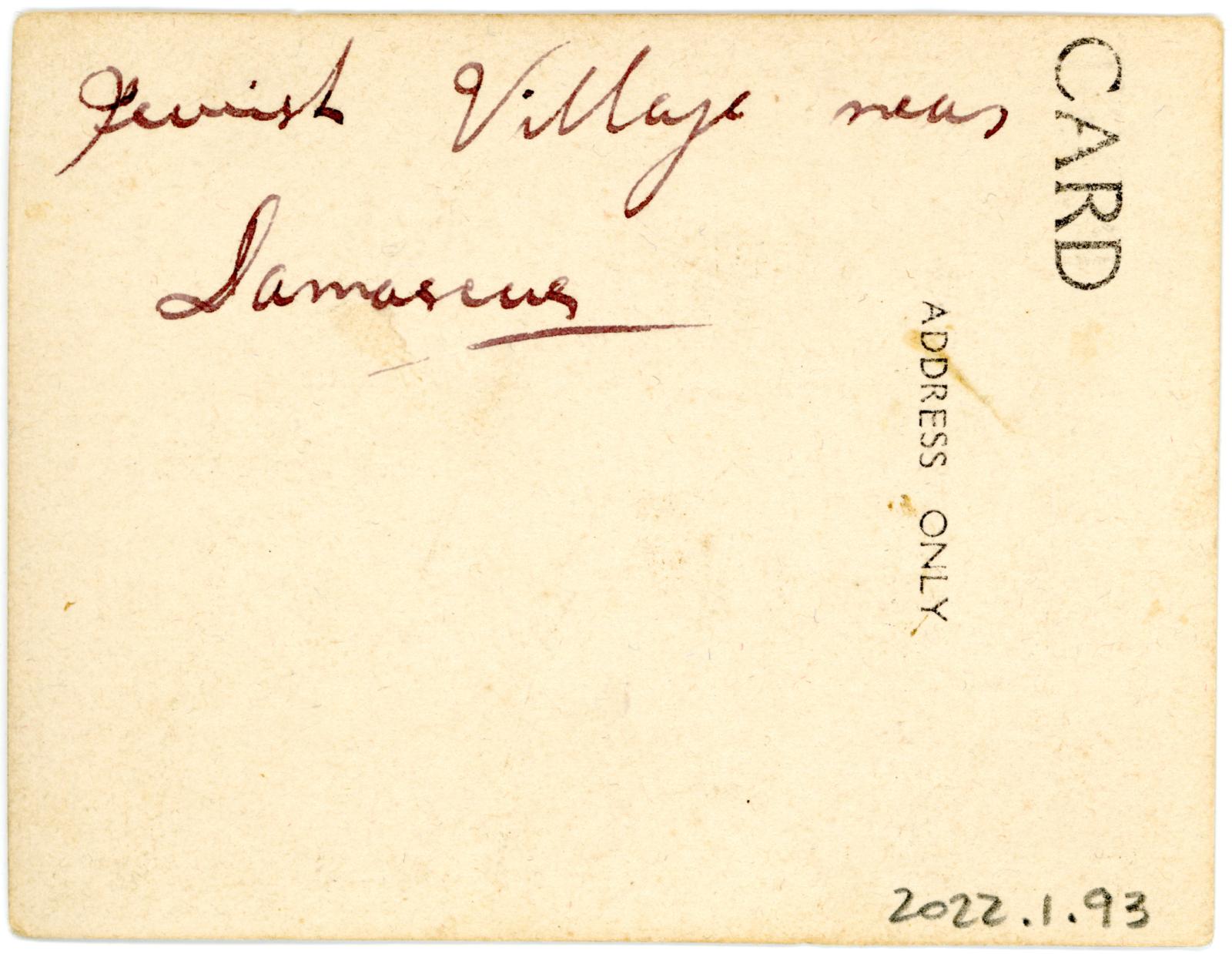
1918 -A small black and white photograph showing a landscape that is indicated to be near Damascus. The ground is bare with just a few tress and hills showing. The quality of the image is poor with a large shadow on the left and numerous line marks. The image has a small white border and there is a dark black line just inside the border on the left side and bottom. The reverse of the image has the proforma printing of part of a postcard and an inscription. The photograph has a small border and is in good condition.
Damascus was a key objective for Allied forces as it was a important logistics centre for the Ottoman army. The first troops into Damascus well before dawn on 1 October were most probably a patrol of the 4th Light Horse Regiment. At about 5:30 am, the 10th Light Horse Regiment rode into the city. Its CO, Temporary Lieutenant Colonel Arthur OLDEN entered the town hall to meet the city’s Governor Emir SAID who had only been appointed to this role on the previous day. The new Governor and his officials handed over the whole city to Olden with a formal document of surrender. At 9:00 am the same morning an open-top Rolls Royce arrived at the town hall carrying British Lieutenant Colonel T. E. LAWRENCE, better known as ‘Lawrence of Arabia’. He had come to accept a ceremonial surrender on behalf of his Arab colleague Prince Feisal. By this time, Lt Col OLDEN, the whole 3rd Light Horse Brigade and a brigade of Indian cavalry had been and gone through the city for several hours, continuing the pursuit of fleeing Turkish and German forces northwards along the road to Homs. There were more victories in the following weeks which brought about the collapse of the 600-year old Ottoman Empire on 30 October 1918.
Details
Details
On the reverse in machine printing “CARD / ADDRESS ONLY” with “Jewish Village near / Damascus” written in black ink.
From19 September 1918 Ottoman forces had been falling back across northern Palestine and Syria, pursued over hundreds of kilometres by large columns of mounted troops from the Desert Mounted Corps led by General Harry CHAUVEL. This larger pursuit operation became known as ‘The Great Ride’. With the exception of a few hours, the 10th Regiment led the advance of the Australian Mounted division, the whole journey approx. 250 miles as the crow flies, but upward of 400 miles for the troops.
Open in Google Maps
Nearest geotagged records:
- Invalid Cup (0km away)
- Peter LONEY Letter (0km away)
- Ellis SILAS Water Colour Painting (0km away)
- Engraved Japanese Water Bottle belonging to Robert George Staunton RENNIE WX7493 (0km away)
- Enlistment Poster (0km away)
- W. D. & H. O. Wills Lace Flag Cigarette Cards (0km away)
- First world War Picture Postcard (0km away)
- Photograph of the Japanese surrender to Australia on 13 September 1945. (0km away)
- Engraved Tin given to Major Arthur Robinson HOME WX11151 (0km away)
- Martini-Henry action (0km away)
Nearby places: View all geotagged records »
Princess Royal Fortress Military Museum
Princess Royal Fortress Military Museum
Other items from Princess Royal Fortress Military Museum
-
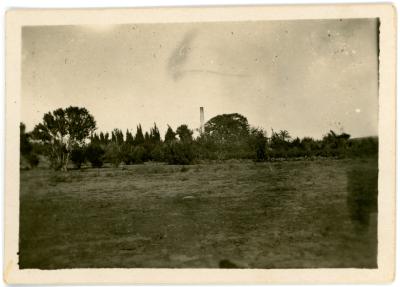
First World War Black and White Photograph of Orange Grove and Flour Mill at Medjel
-
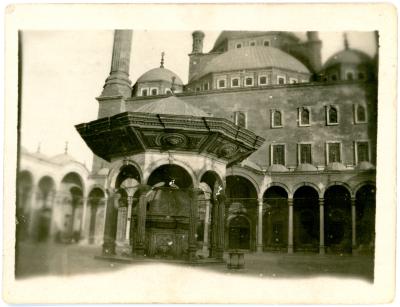
First World War Black and White Photograph of Mohammed Ali Mosque Cairo
-
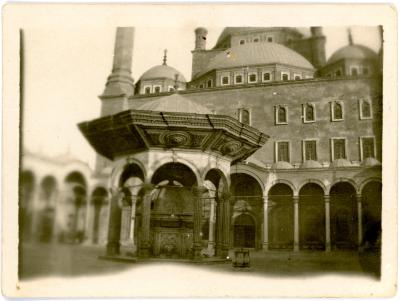
First World War Black and White Photograph of Mohammed Ali Mosque Cairo
-
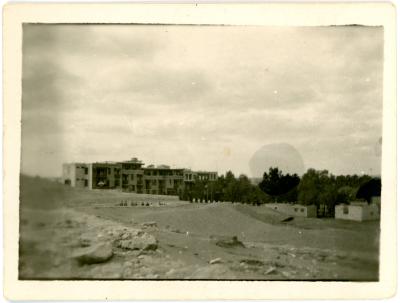
First World War Black and White Photograph of Mena House, Cairo
-
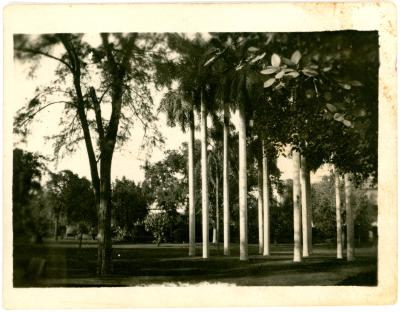
First World War Black and White Photograph of Esbekiah Gardens in Cairo
-
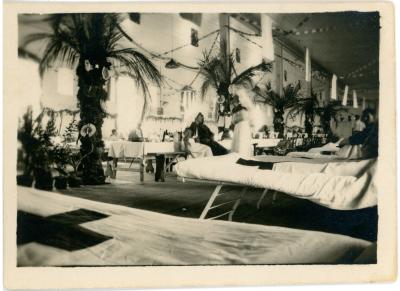
First World War Black and White Photograph of Christmas in Hospital
-
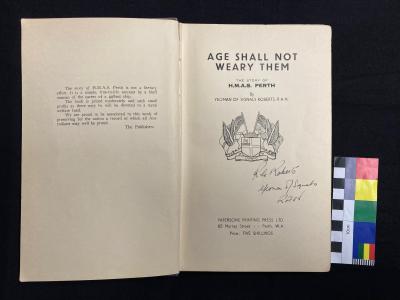
“Age Shall Not Weary Them” by R.G. Roberts
-
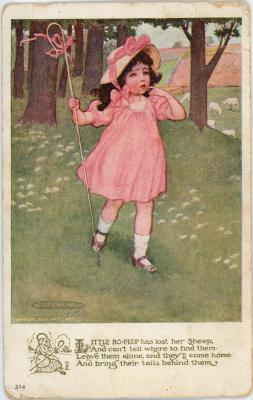
First world War Picture Postcard
-
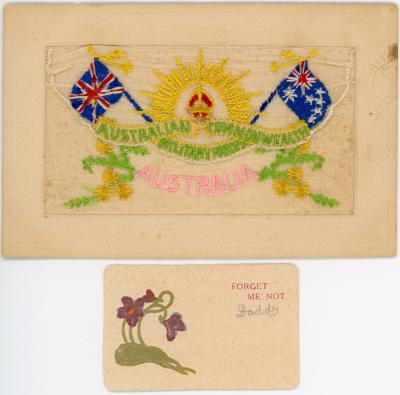
First World War Silk Postcard
-
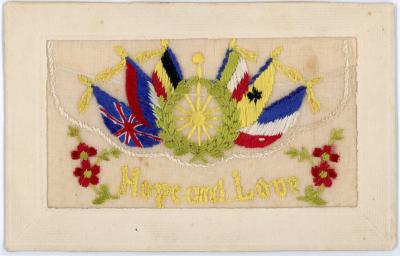
First World War Silk Postcard
-
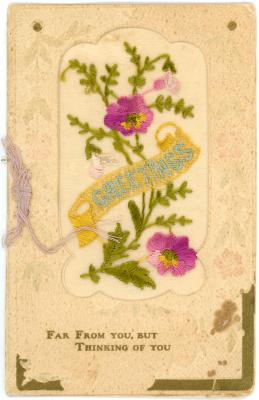
First World War Silk Greeting Card
-
Notebook with embroidered silk cover
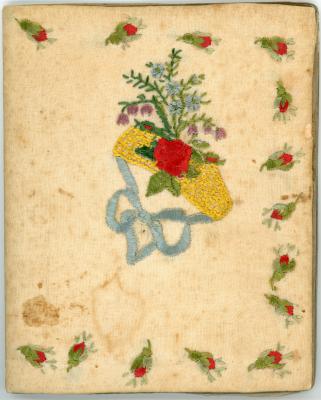
Scan this QR code to open this page on your phone ->
