
DOLL, PORCELAIN & WOOD
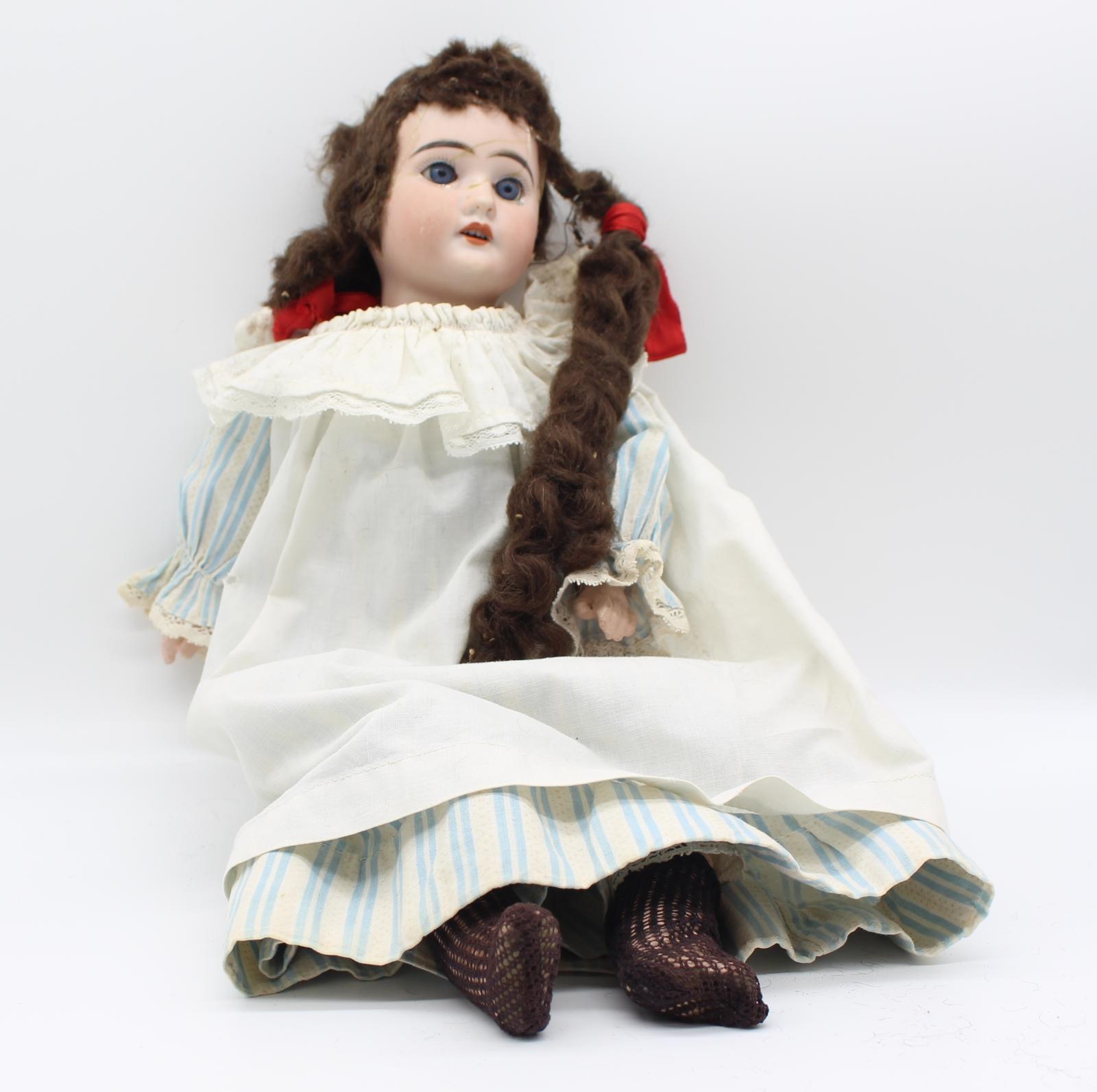
1894Clothed doll porcelain: brown hair, long plaits with red ribbon, jointed arms, elbows and knees.
Blue eyes, sleeping lids, teeth.
Face, lips, brows and cheeks painted.
There are two noticeable cracks on the face. Paintwork is chipped or flaking / missing in some areas on the face and limbs.
Head is made of painted porcelain with glass eyes. The hair is glued to buckram moulded to cover the top of the head. The hair is very fragile and is detaching from the pate and thinning.
The shaped torso is made up of composite materials which may include hardened cardboard, paper mache, glue, sawdust or corn starch.
The limbs to the elbows and knees are painted wood and the limbs below these joints which include the hands and feet are low-fired clay.
The doll is dressed in pantaloons, a chemise, a petticoat, a dress, an outer smock and knitted boots. All garments are cotton.
Impressed marks at the back of the head indicate the doll was manufactured in 1894 in Germany by Armand Marseille.
Originally owned by Lucy McCluney 1891 - 1961
Clothes made by Mrs Whitfield.
(Doll was dressed when donated to the museum collection.)
Details
Details
1894 / A.M. 1 DEP / Made in Germany
8- - 1826 written in pen on back of doll
Armand Marseille was a company in Thuringia, Germany (150 km north of Nuremberg) that manufactured porcelain headed (bisque) dolls from around the mid 1880s until about 1960. Armand Marseille entered into a partnership with another company in 1919 but this was formerly dissolved in 1928.The founder of the company that bore his name - Armand Marseille - was born in Russia in 1856 and died in 1925. His son, Hermann, took over the running of the business in 1919.
Typically the marks present on older dolls represent the maker's initials, the mould number, the size and where the doll was made.
In this case A.M. stands for Armand Marseille, 1 is the size and DEP (Déposé) indicates patented/registered design. The mould number does not appear.
Buckram is a stiff, woven fabric, traditionally linen or cotton, treated with a sizing agent like starch or glue to add rigidity. This was cut, moistened and placed over a mould the same shape as the doll's head. The hair was glued to the buckram creating the wig. The top of the doll's head often had a circular opening to allow access to install the glass eyes and insert the teeth from inside. The hole was then plugged with cardboard, plaster or cork forming the pate. The wig was glued to the pate and the porcelain, hiding the join.
Doll Reference website
Biography of Armand Marseille 1856 - 1925, the person who founded the company that bore his name.
Other items from Shire of Toodyay
-
SYRED'S COTTAGE, BEJOORDING
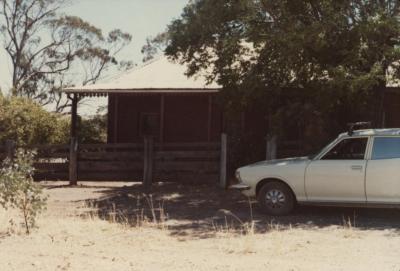
-
TOODYAY NATURALISTS' CLUB BOOK LAUNCH
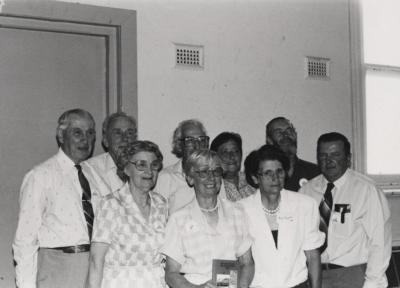
-
CELEBRATION OF WA'S 150TH ANNIVERSARY
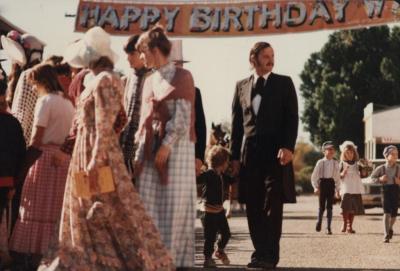
-
CELEBRATION OF WA'S 150TH ANNIVERSARY
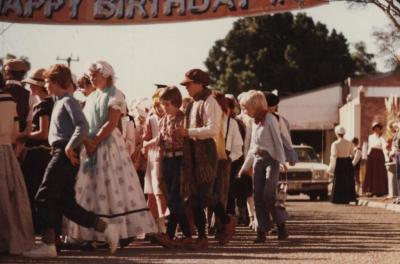
-
CELEBRATION OF WA'S 150TH ANNIVERSARY
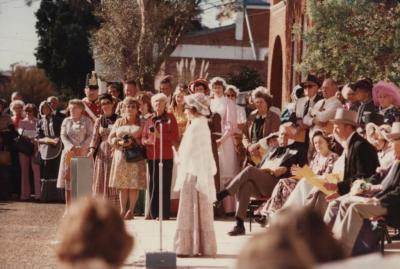
-
TOODYAY RACE MEETING 150TH CELEBRATION
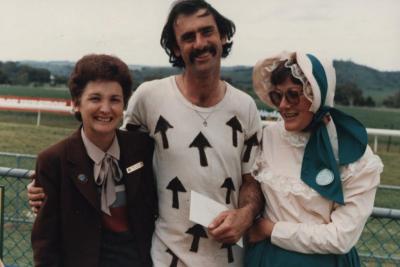
-
CELEBRATION OF WA'S 150TH ANNIVERSARY
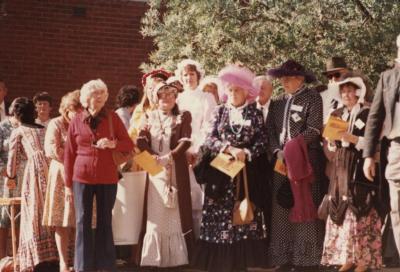
-
CELEBRATION OF WA'S 150TH ANNIVERSARY
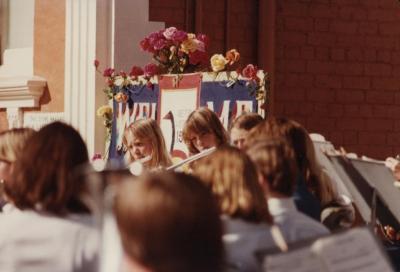
-
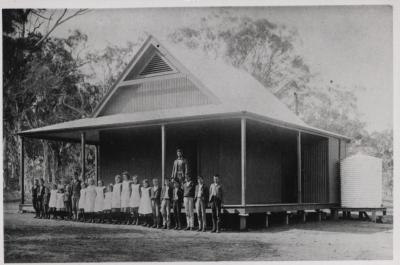
PELL MELL SCHOOL PUPILS AND TEACHER CA1900
-
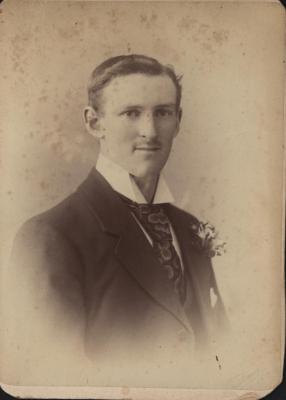
UNKNOWN MAN
-
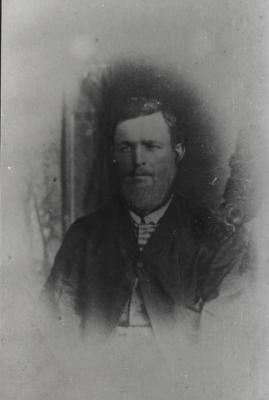
THOMAS WILLIAM COOK OF ROESLAND, NUNILE
-
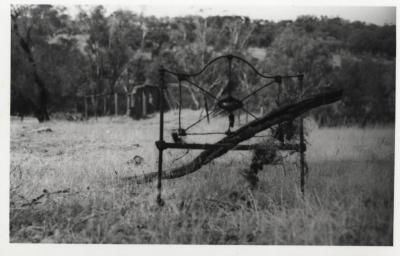
BED HEAD AT SITE OF COLONIAL FARMHOUSE RUIN
Scan this QR code to open this page on your phone ->