
CLOCK, MANTLE
1905 - 1976The base is the largest part of the clock and stands on four ornate metal feet, the larger at the front. The main body is rectangular with marbled ogee mouldings fixed as trims. The clock is mounted in a projecting square box which finishes level with the mouldings. The top of the case is a flat piece of wood with a reverse ogee form around the front and sides, overall the finish is black lacquer except for the green marbled mouldings. There are lions head on either end with the left having a ring in its mouth.
The clock face is gilt ornate pressed metal on a white background with black Arabic numerals and black hands.
The back is missing from the clock.
This Sessions mantel clock was donated to the museum by Lucy Nelson of Kelmscott, Western Australia. Lucy Cora Rowe, born in 1910 in Port Lincoln, South Australia, married Harold George Nelson in Perth in 1951. The couple lived on Forrest Road and later Lake Street in Kelmscott, where Harold worked as a farmer. The clock was part of their household and remained with Lucy until her death in 1975. A note inside the case indicates it was repaired and restored by B. Blacklow in 1992. The accompanying winding key is marked “Popular Progress – Made in England,” adding further provenance detail.
This Sessions mantel clock is a representative example of early 20th-century American mass-produced domestic timepieces, widely exported and popular in Australian homes. While not rare globally, it is notable for its completeness and decorative elements, including the lion head mounts—features not present on all Sessions models. The attached “Popular Progress” winding key from England adds an uncommon transnational aspect, reflecting the blending of American and British components in household objects. Its survival in relatively good condition, despite the missing back panel and one lion ring, and its documented local provenance, enhance its value as a representative item in regional domestic heritage collections.
The clock is largely intact, retaining its case, face, and winding mechanism, along with its original decorative features, including one lion head ring. However, the back panel is missing, and one lion’s ring is absent. The accompanying English-made winding key remains with the clock, enhancing its overall completeness and interpretive value.
This clock supports interpretation of early 20th-century domestic life, global trade, and mechanical technology. Its American origins, English key, and Kelmscott provenance connect international manufacturing with local stories. As both a functional object and decorative piece, it offers insights into household aesthetics, timekeeping, and family heritage in regional Western Australia.
This item is a Mantel Clock made by the Sessions Clock Company of Connecticut, USA.
At the turn-of-the 20th century, the E. N. Welch clockmaking firm was struggling. They used a local foundry to produce their castings. The foundry owner's son, William E. Sessions, took an interest in horology and, along with other Sessions family members, bought controlling interest in the E. N. Welch Company, based in Forestville, Connecticut, USA.
In 1903 the firm’s name was changed and the Sessions Clock Company was organized. Under William's management the firm produced all components of their line of clocks, including movements, cases, dials, artwork and castings. They produced a range of clocks including mantel clocks, wall clocks, and timers
Sessions realized that the future of clockmaking was moving to electricity so, in 1930, the company expanded to produce electric clocks, timers for radios, televisions and other devices. They also continued to manufacture traditional brass mechanical movements.
In 1956, Sessions was absorbed by a company interested primarily in their timing devices. Kept as the Sessions Company, the new owners ran the firm until 1969, when a decline in business forced its liquidation.
Mantel clocks, also known as shelf clocks, were small, decorative timepieces designed to be placed on mantels or shelves. They were a popular choice for homes, offering a blend of functionality and aesthetics.
Many Session clocks from this period, including mantel clocks, are highly valued by collectors.
The F S above the 12 on the clock face indicates that the clock has a mechanism where the speed of the clock can be made to go Faster (F) or Slower (S) by adjusting with the key.
The key attached to the Mantle Clock has "Made in England Popular Progress" stamped into the key. This generally refers to a vintage or antique clock key, a tool used to wind the movement of clocks, specifically those made by the Popular Progress Company in England. Popular Progress keys come in various sizes and materials (brass, steel). They are typically vintage or antique items, often with signs of age and wear. These keys are designed for winding the mainsprings of various types of clocks, including mantel clocks, wall clocks, and grandfather clocks. The keys are sought after by collectors, clock repair shops, and individuals who enjoy vintage or antique timepieces.
The clock was donated to the museum by Lucy Nelson of Kelmscott, with a note on the Donor Form saying that the clock was from approximately 1880. As the Sessions Clock Company did not exist prior to 1903, this does not seem to be correct. The clock has two lions heads, one on either side of the clock frame. One of the lion heads has a ring being held in the mouth. The ring is missing from the second lion head. The back of the clock, which would hide the workings of the clock, is missing. Inside the case a note is written on the wood “Repair & Restoration B. Blacklow 8.12.1992”.
Lucy Cora Rowe was born in 1910 in in Port Lincoln SA. Her parents were James William Rowe and Eliza Sawyer. She moved to WA sometime after 1943.
Harold George Nelson was born in 1910 in Port Wakefield SA. His parents were George Nelson & Annie May Sporn. He moved to WA sometime after 1941.
Harold George Nelson married Lucy Cora Rowe in 1951 in Perth WA. In 1954 they were listed as living on Forrest Rd, Kelmscott, and Harold was listed as being a farmer. By 1968 they had moved to living on Lake St, Kelmscott.
Lucy died in Armadale WA in 1975 at the age of 65. Harold died just 6 months later in 1976 in Perth WA, at the age of 66.
Details
Details
This early 20th-century mantel clock, manufactured by the Sessions Clock Company of Connecticut, USA, is a fine example of American craftsmanship and domestic design during a period of industrial innovation. Founded in 1903, the Sessions Company emerged from the remnants of the E. N. Welch firm, with William E. Sessions steering the company toward complete in-house clock production. This mantel clock reflects the company’s attention to detail, incorporating cast metal ornamentation, including decorative lion heads—one of which retains its original ring.
City of Armadale - History House
City of Armadale - History House
Other items from City of Armadale - History House
-
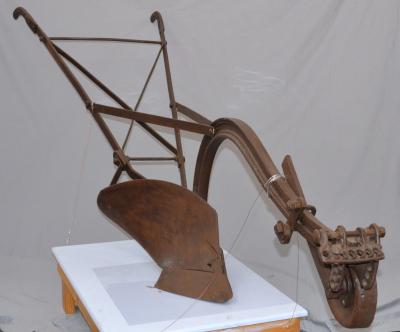
PLOUGH SINGLE FURROW
-
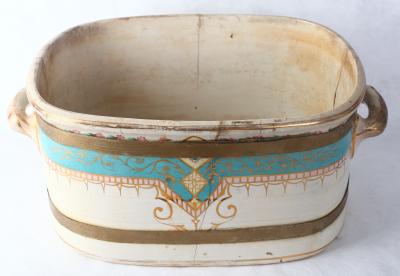
FOOT BATH
-
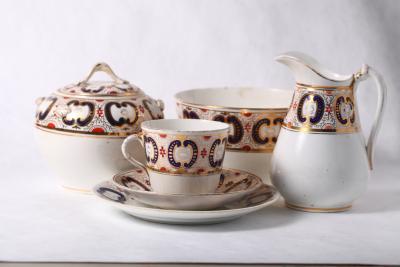
CUP CERAMIC GOLD & BLUE DESIGN
-
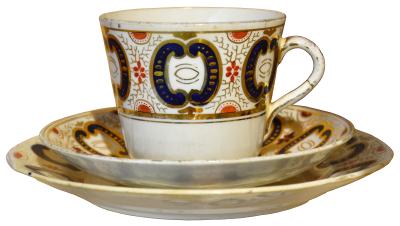
CUP CERAMIC GOLD & BLUE DESIGN
-
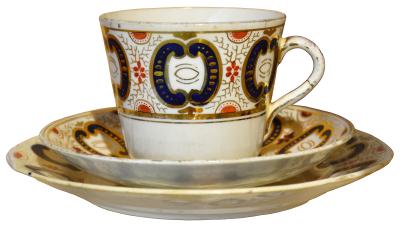
PLATE BREAD & BUTTER CERAMIC GOLD & BLUE DESIGN
-
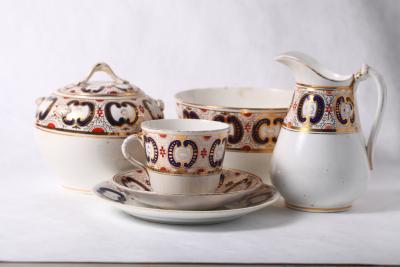
JUG CERAMIC GOLD & BLUE DESIGN
-
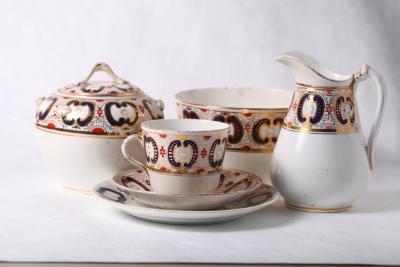
BOWL CERAMIC GOLD & BLUE DESIGN
-
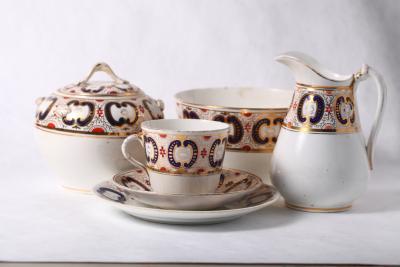
SUGAR BOWL CERAMIC GOLD & BLUE DESIGN
-
SAUCER CERAMIC GOLD & BLUE DESIGN
-
SAUCER CERAMIC GOLD & BLUE DESIGN
-
SAUCER CERAMIC GOLD & BLUE DESIGN
-
SAUCER CERAMIC GOLD & BLUE DESIGN
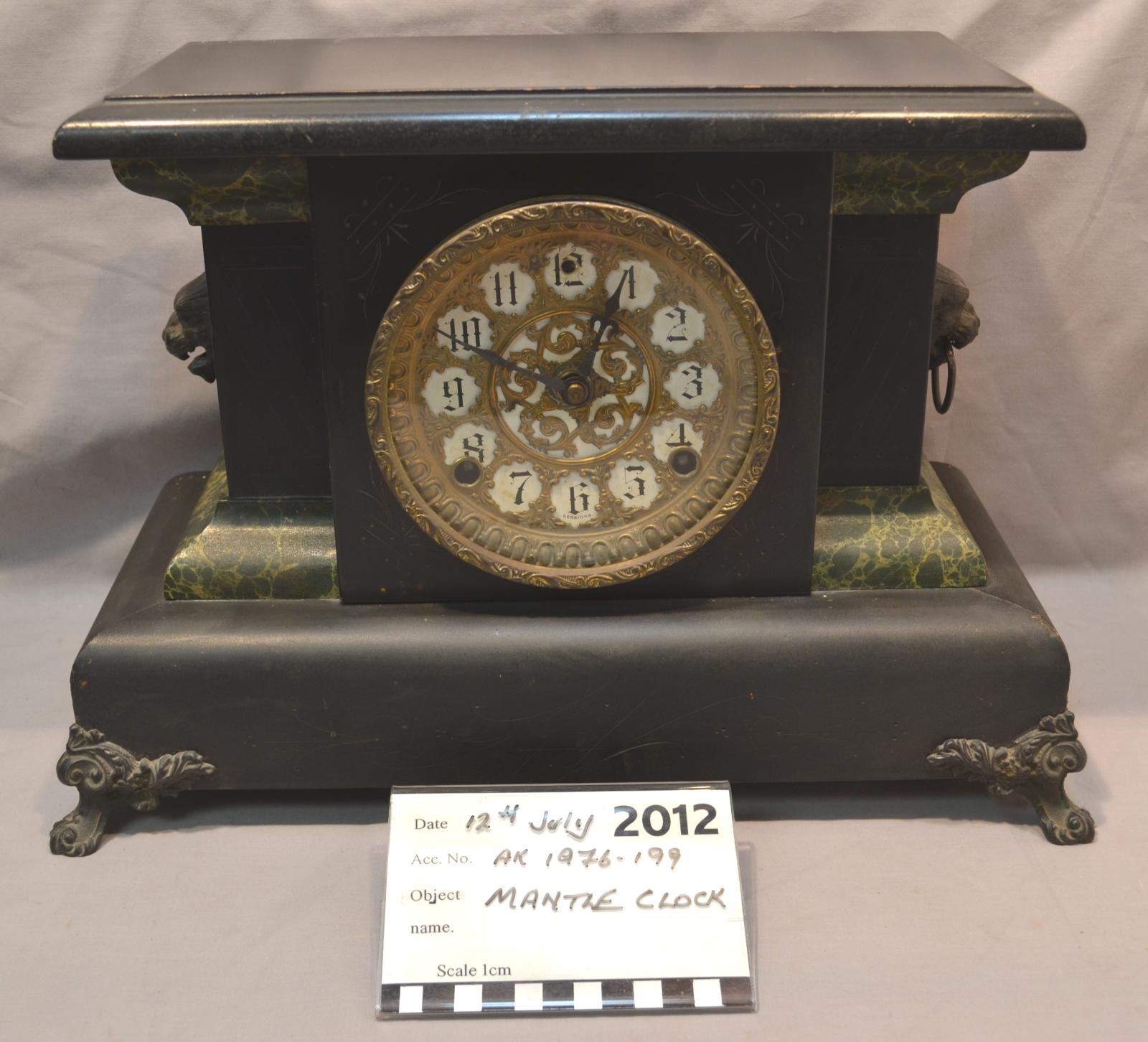
The clock face is gilt ornate pressed metal on a white background with black Arabic numerals and black hands.
The back is missing from the clock.
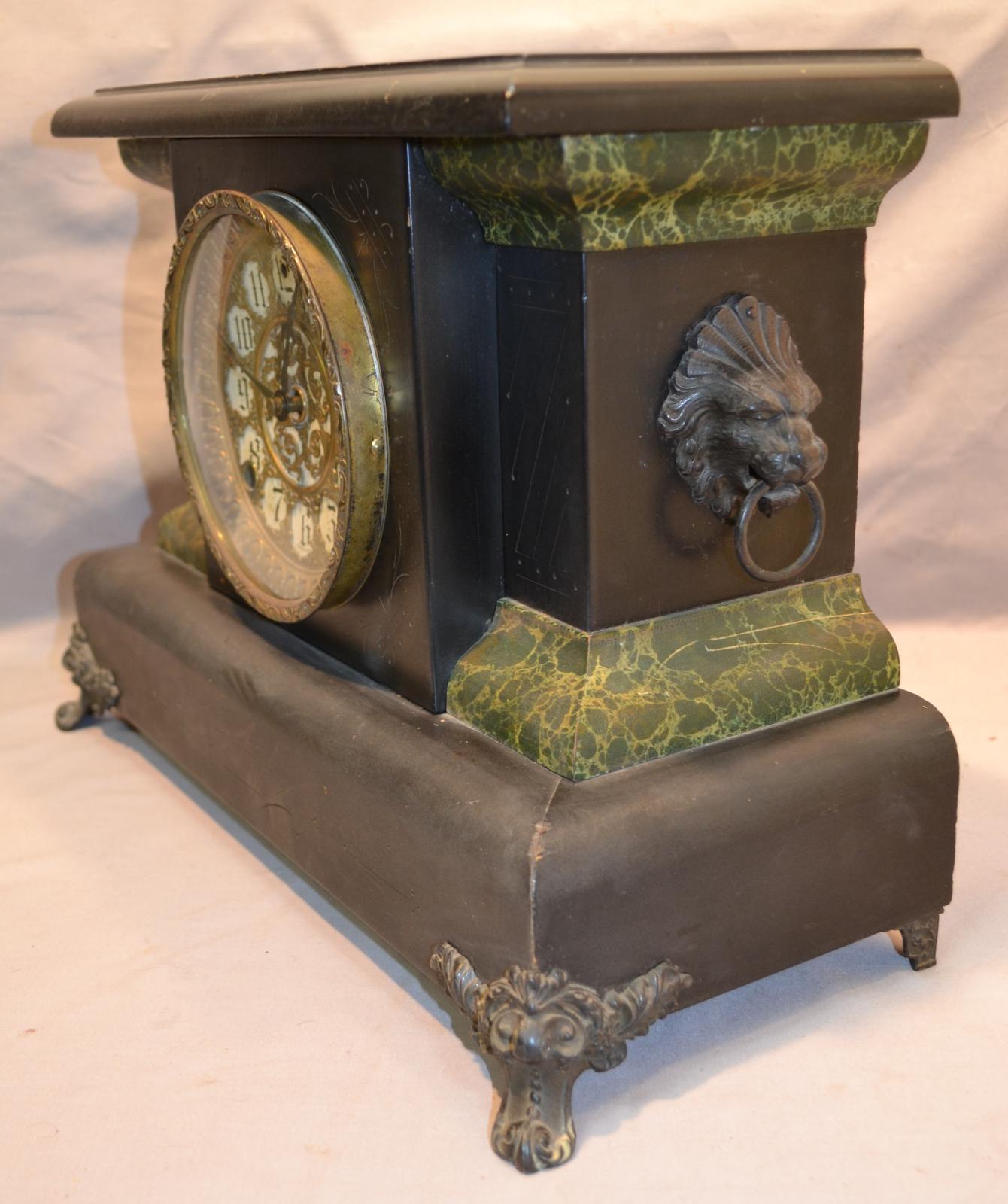
The clock face is gilt ornate pressed metal on a white background with black Arabic numerals and black hands.
The back is missing from the clock.
Scan this QR code to open this page on your phone ->
