
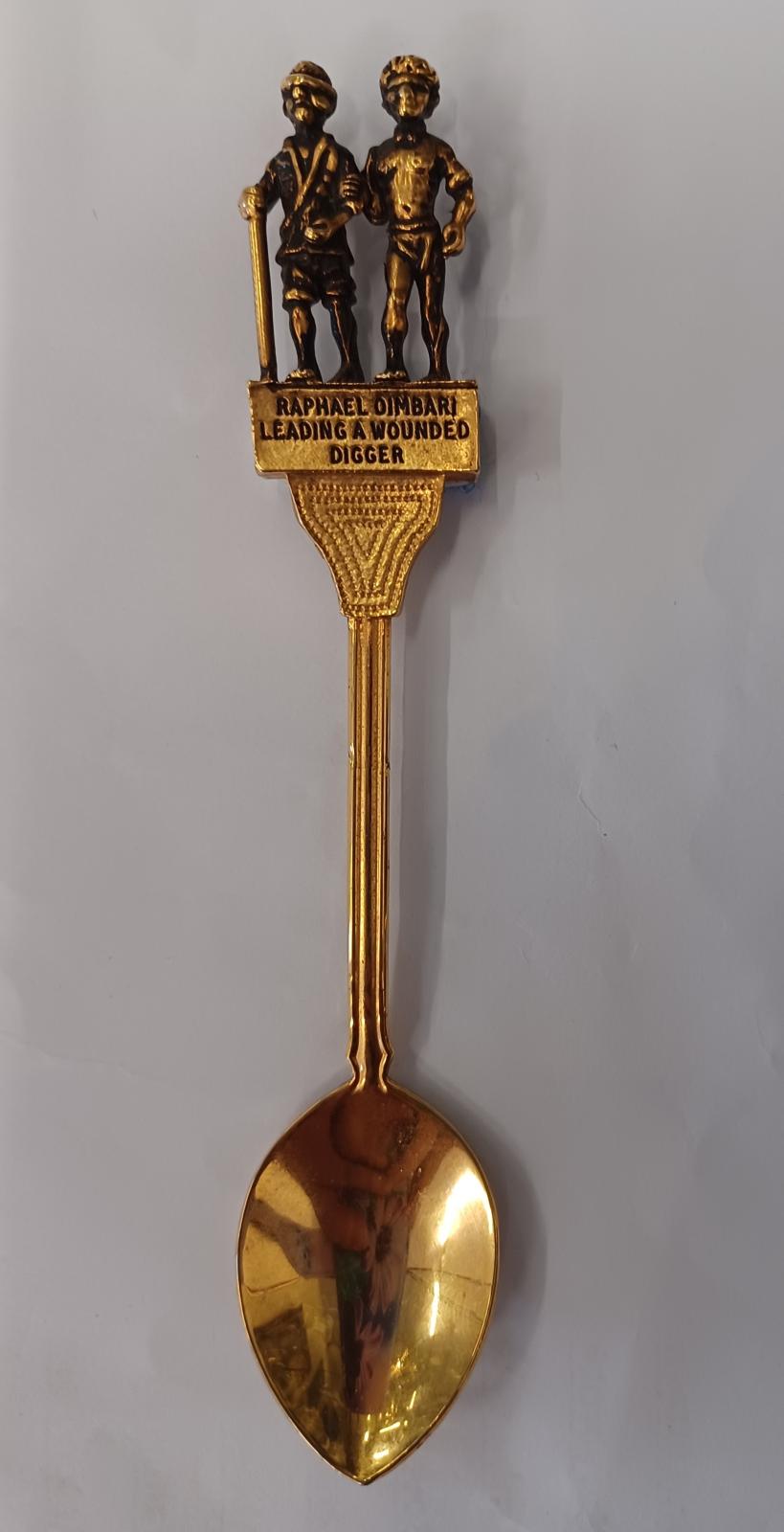
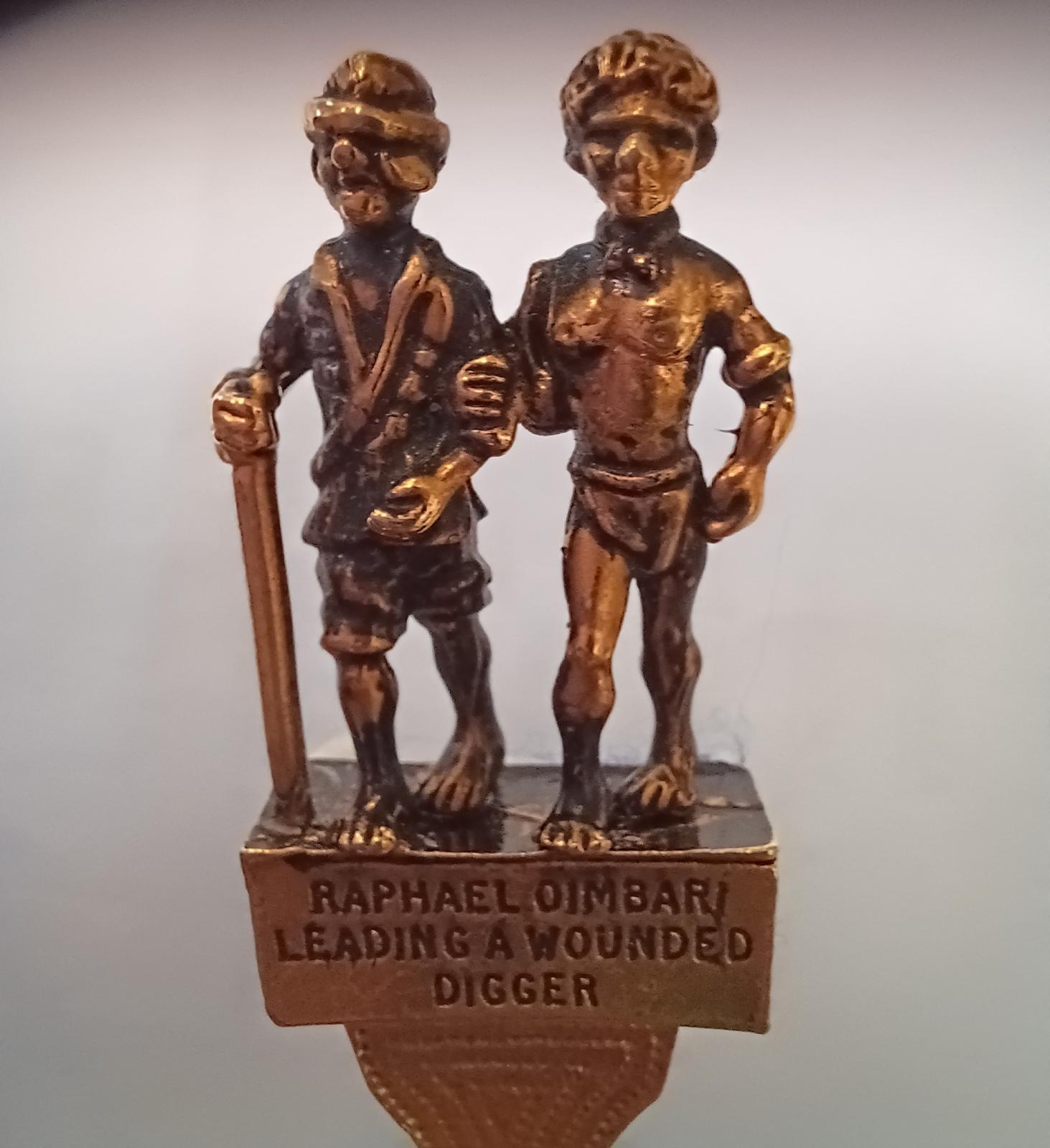
Commemorative Spoon - "Leading a wounded digger"
gold plated spoon with an image of a civilian aiding a wounded soldier
The term "Fuzzy Wuzzy Angels" was coined by Australian soldiers to Papua New Guinean war carriers - these men had frizzy hair and their gentle, nurse-like care for the wounded were often described as angels. During World War II, Papua New Guinea locals were recruited to bring supplies up to the front, and to carry injured Australian troops down the Kokoda trail during the Kokoda Campaign. Under the Australian military government in New Guinea, many of the Papua New Guinean workers were conscripted into work to support the war effort.
Details
Details
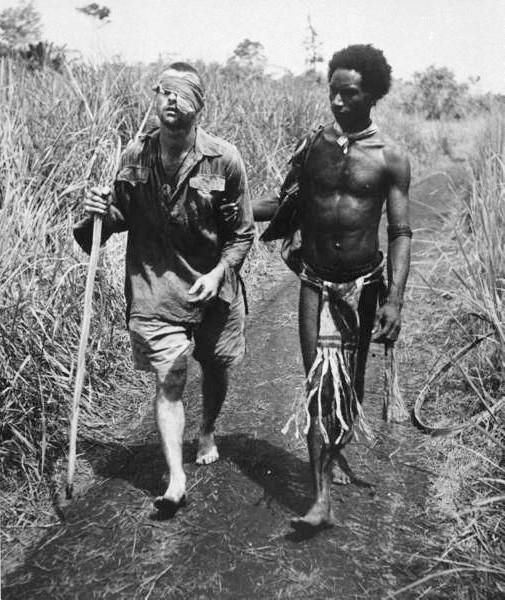
"Raphael Oimbari leading a wounded digger"
It is one of the most iconic images of the war in the Pacific, but George Silk’s photograph of a blinded Australian soldier being led by a barefoot Papuan on Christmas Day 1942 was captured by chance:
"Private George 'Dick' Whittington of Queensland was with the 2/10th Battalion when he was wounded in action during the vicious and bloody beachhead battles around Buna. He was temporarily blinded after being shot by a sniper above the eye and was being guided by Raphael Oimbari along a track through the tall kunai grass to a casualty clearing station."
Other items from Busselton Historical Society
-
Souvenir - America's Cup 1983 glass
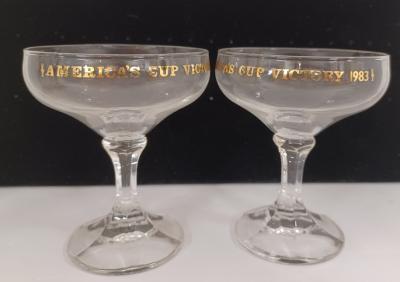
-
Candlestick Holder - brass and wood
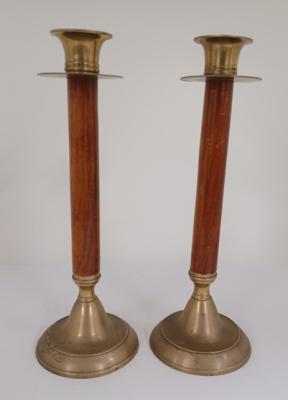
-
Glass Egg Cup - chick and egg
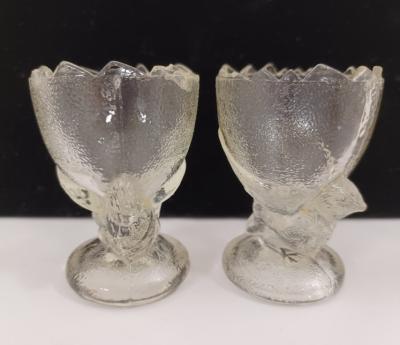
-
EPNS Egg Cup
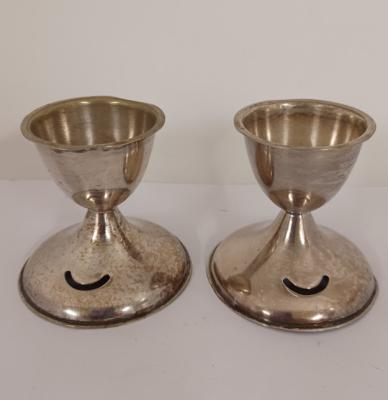
-
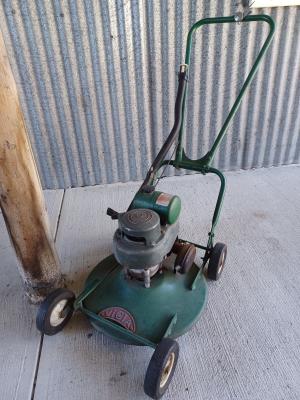
Lawnmower - Victa 125
-
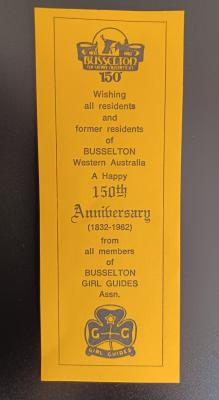
Souvenir - Busselton 150th Anniversary bookmark
-
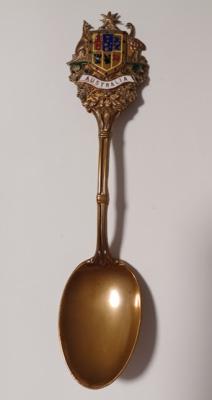
Souvenir - "Australia" Coat of Arms spoon
-
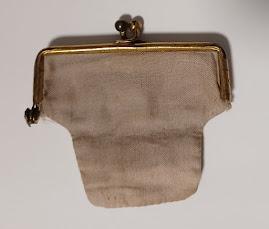
Ladies Coin Purse
-
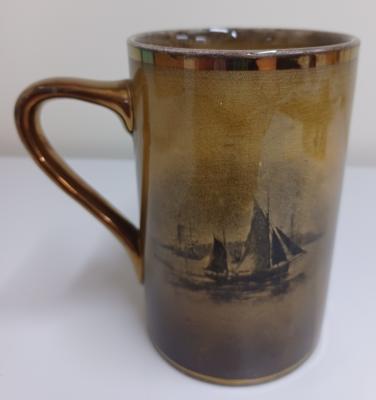
Ceramic Mug - Royal Vistas Ware
-
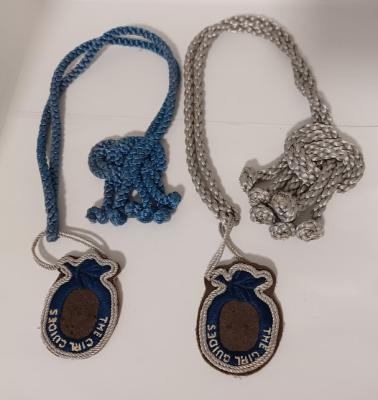
Girl Guides - memorabilia
-
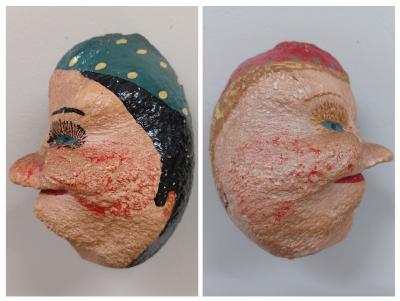
Humpback Whale Eardrums (ornamental)
-
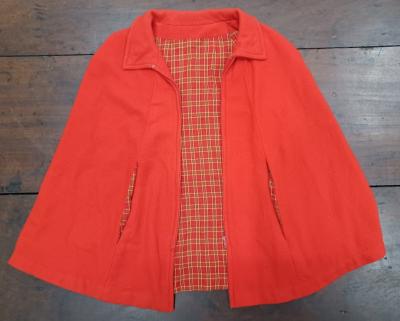
Nurse's Cape (Midwifery)
(Reference: image by George Silk)
Scan this QR code to open this page on your phone ->
