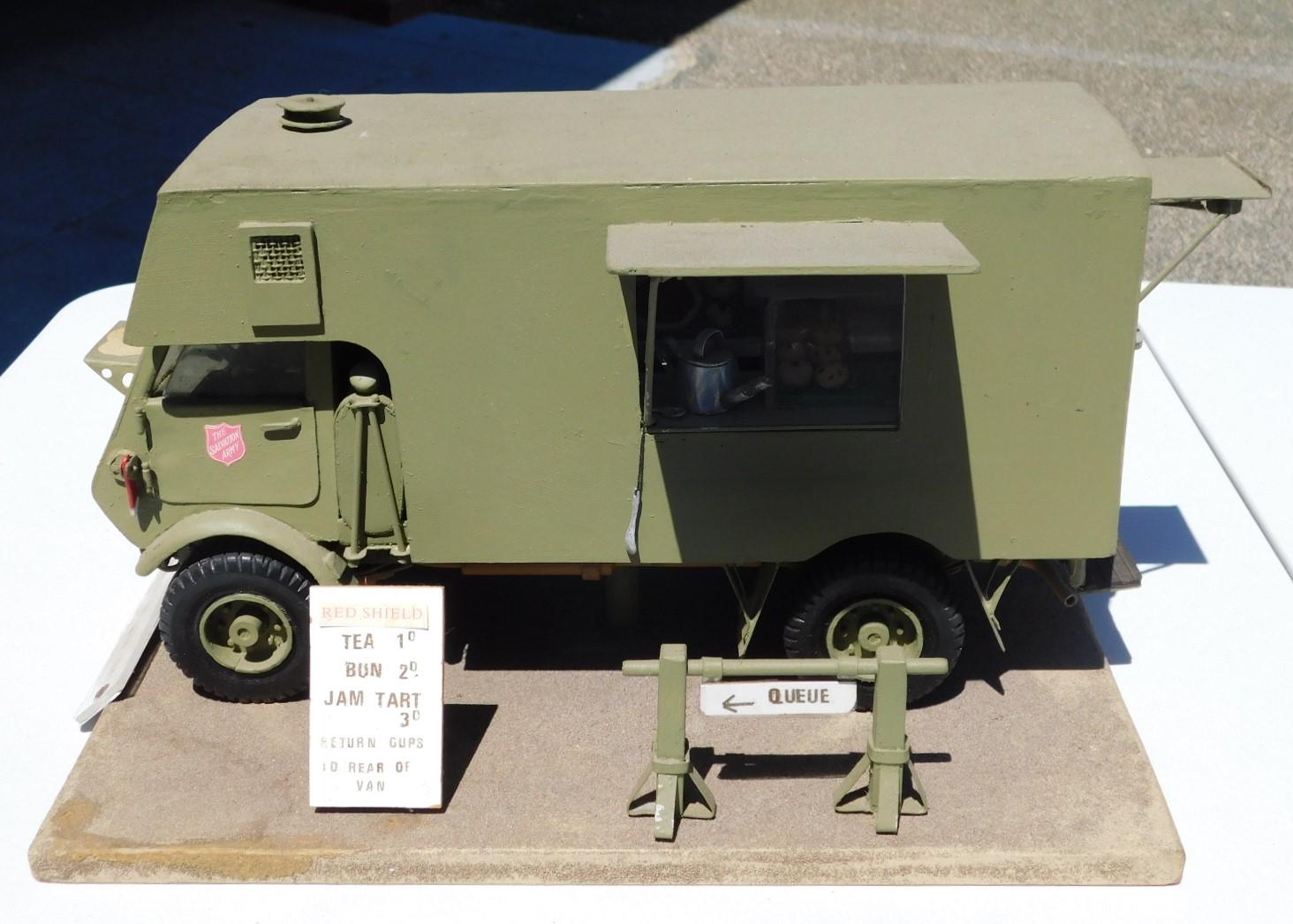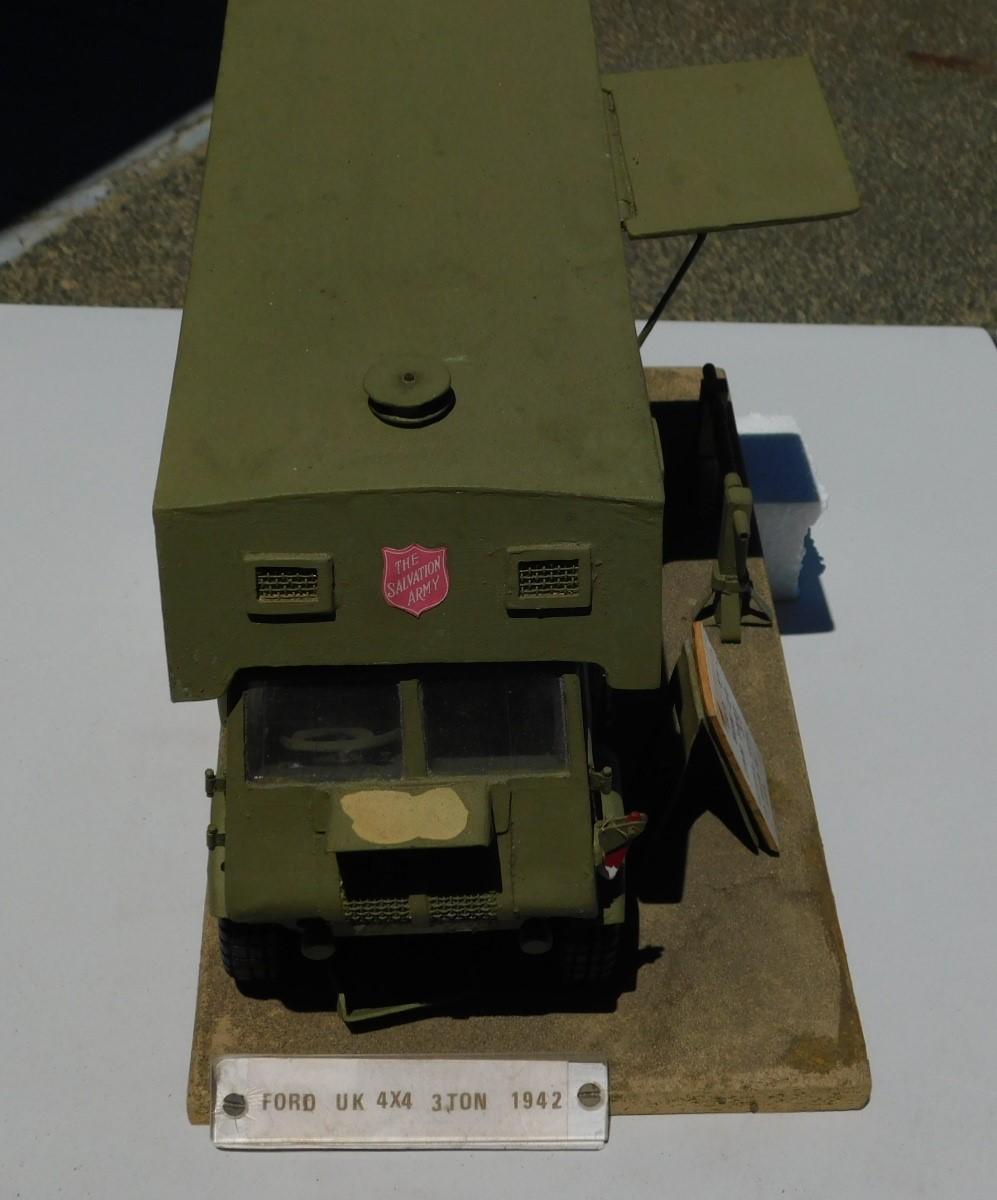
Technology Model - Salvation Army Canteen Truck
1939 - 1945Handcrafted model of salvation Army Canteen Truck
In Australia, the Red Shield Defence Services were established as a response to the start of World War 1 in 1914. Salvation Army chaplains were sent all over the world, to offer practical, emotional and spiritual aid to servicemen.
Barely a few days had passed after the declaration of World War Two on Sunday, 3 September 1939, before The Salvation Army opened its first Red Shield marquee.
Within weeks, dozens more had been erected across Australia, with The Salvation Army soon present at nearly every location troops could be found in the country.
During World War 2, Red Shield Officers, better known as “Sallymen”, established the now-famous "Hop In" centres at war zones from Tobruk to the Kokoda track, providing on-the-spot comforts and a home away from home for soldiers. The centres ranged from large marquees in major staging areas to hastily erected flies – all displaying the familiar “Hop In You’re Welcome” signs.
The establishment of the Red Shield huts in military bases on the home front in World War Two paved the way for the ongoing work of The Salvation Army within the Australian Defence Force, that continues today.
Details
Details
Australian Army Museum of Western Australia
Australian Army Museum of Western Australia
More items like this
Other items from Australian Army Museum of Western Australia
-
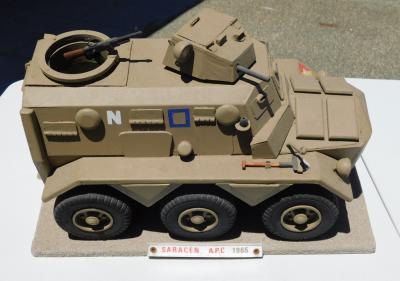
Technology Model - Alvis FV603 Saracen Wheeled Armoured Personnel Carrier
-
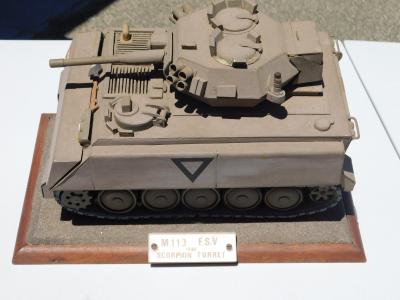
Technology Model - M113 Fire Support Vehicle (FSV)
-
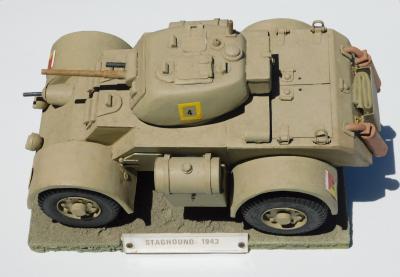
Technology Model - Staghound 1943
-
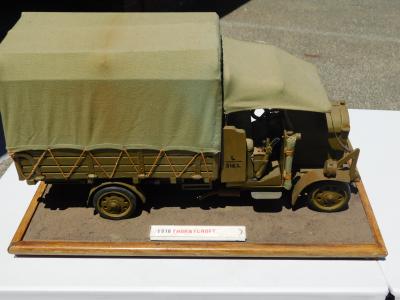
Technology Model - Thorneycroft J Type Truck
-
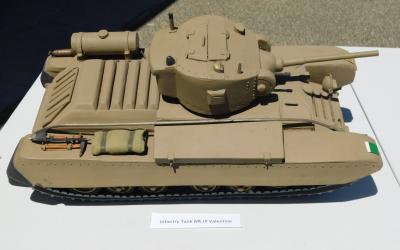
Technology Model - Infantry Tank Mk III Valentine Tank
-
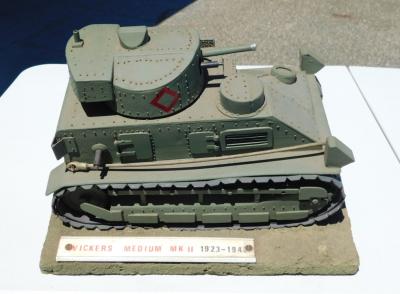
Technology Model - Vickers Mk 2 Medium Tank
-
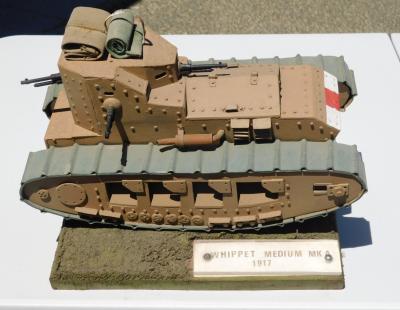
Technology Model - Whippet Medium Tank Mk 2, 1917
-
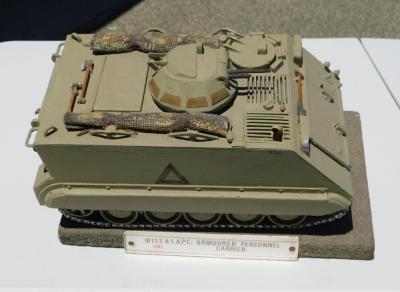
Technology Model - M113 A1 Armoured Personnel Carrier (APC)
-
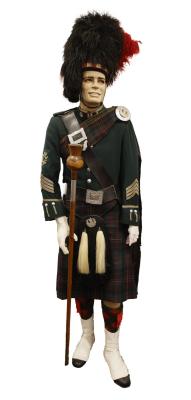
Mannequin Display - Australian Army Band Corps Drum Major,1970
-
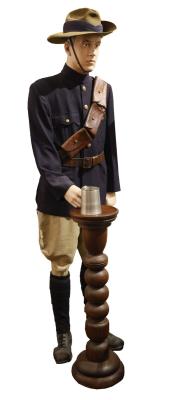
Mannequin Display - Pre 1914, 2nd Anglo Boer War, 1st Western Australian Contingent, 1899
-
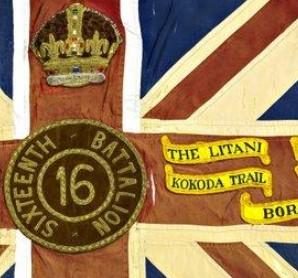
Battle Honour - "The Litani", 1941
-
Battle Honour - "Damour", 1941