Boy Scouts - whistle & lanyard
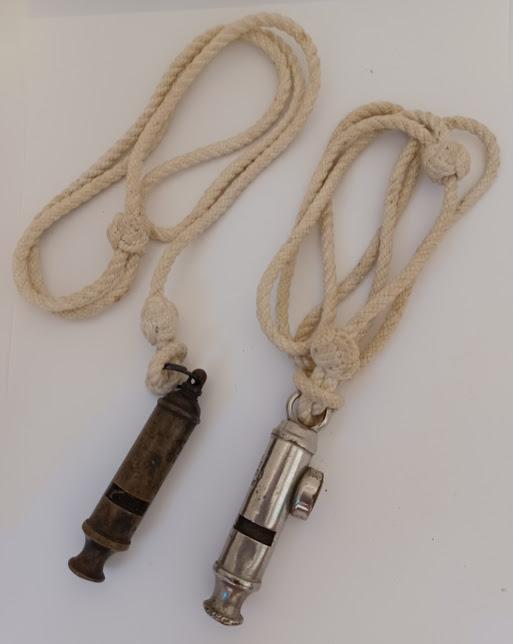
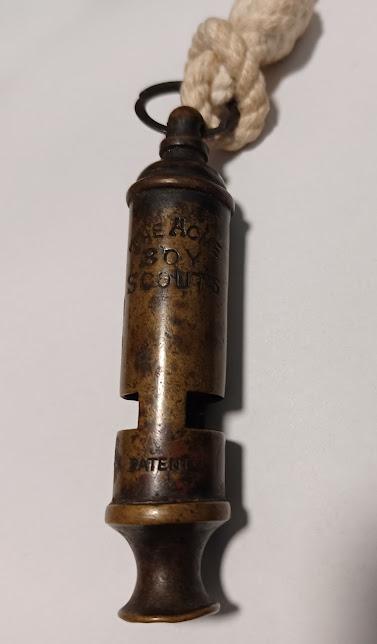
Item 1: brass whistle with lanyard
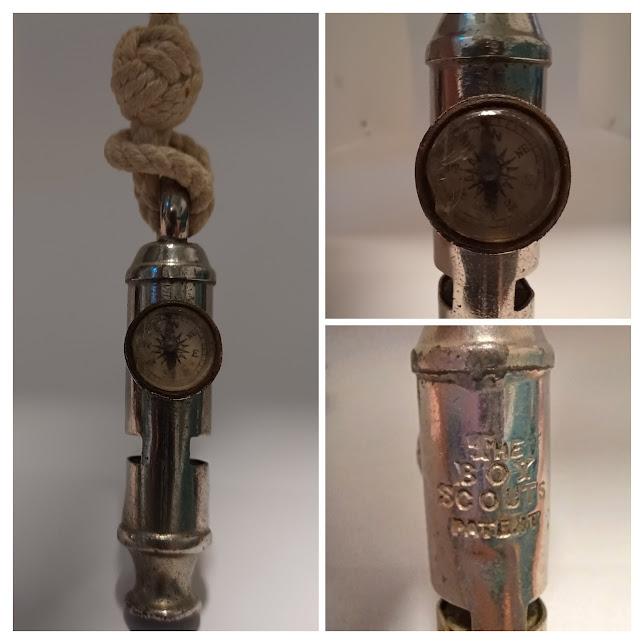
Item 2: silver whistle and compass with lanyard
Boy Scouts historically carried whistles as essential safety and communication devices for signaling over long distances, in the dark, or when out of sight, often as part of their patrol gear. Developed in 1909 by Baden-Powell and ACME, these whistles were used for emergency signals (three blasts), gathering in patrols, and directing field activities
Details
Details
Item 1: "The Acme Boy Scouts. Patent"
Item 2: "The Boy Scouts. Patent"
The ACME whistle was considered a compulsory part of the uniform for many years and was often worn on a lanyard. Approved by Lord Baden Powell and his sister Agnes, founders of the World Scouts and Guides in 1909. Unlike conventional whistles, the Scouts and Guides whistles have their own individual sound and are exclusive to those groups, and are a big a part of their traditions.
Other items from Busselton Historical Society
-
Wooden Box (with compartments)

-
Cassette Tape Recorder - National
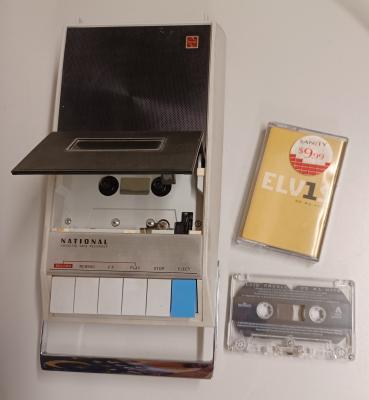
-
Amber Glass Bottle - Clements Tonic
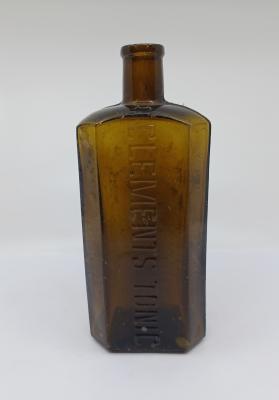
-
Green Glass Bottle - Piesse's
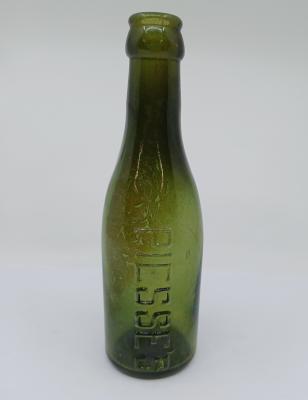
-
Stoneware Bottle - H Kennedy
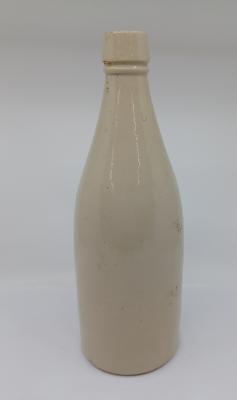
-
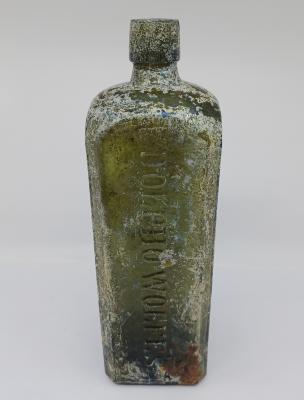
Green glass bottle - Udolpho Wolfe
-
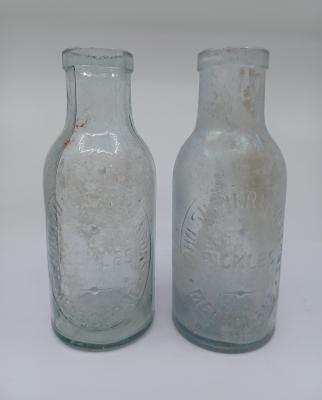
Clear Glass Bottle - Sutherland
-
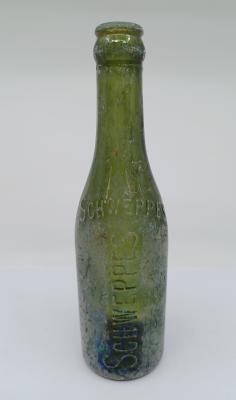
Green Glass Bottle - Schweppes
-
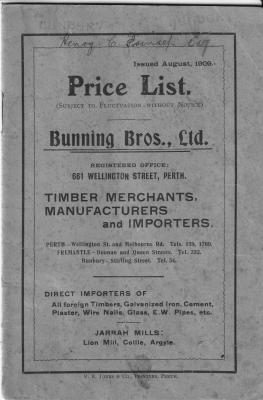
Price List - Bunning Bros Ltd (1909)
-
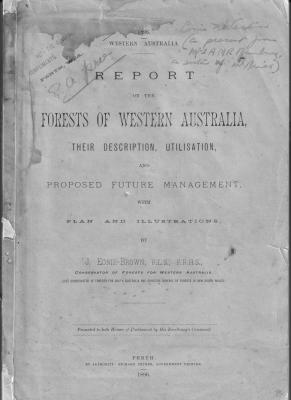
Booklet - "Report on Forests of Western Australia"
-
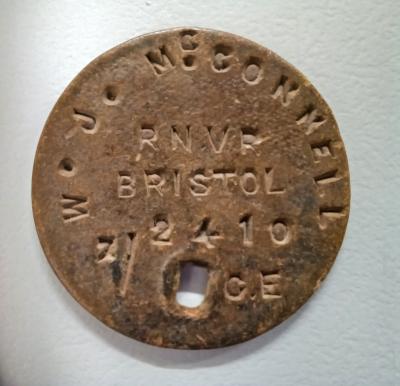
Identity Disc Tag - issued to W J McConnell
-
Hornby Cup Trophy - Wanderers Football Club 1910