Morse Code Apparatus No.0
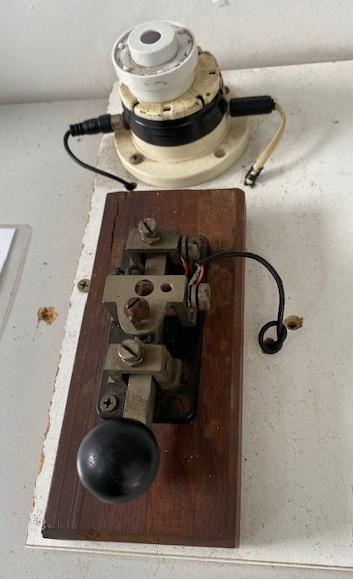
c. 1955Item 1: Morse Code Apparatus
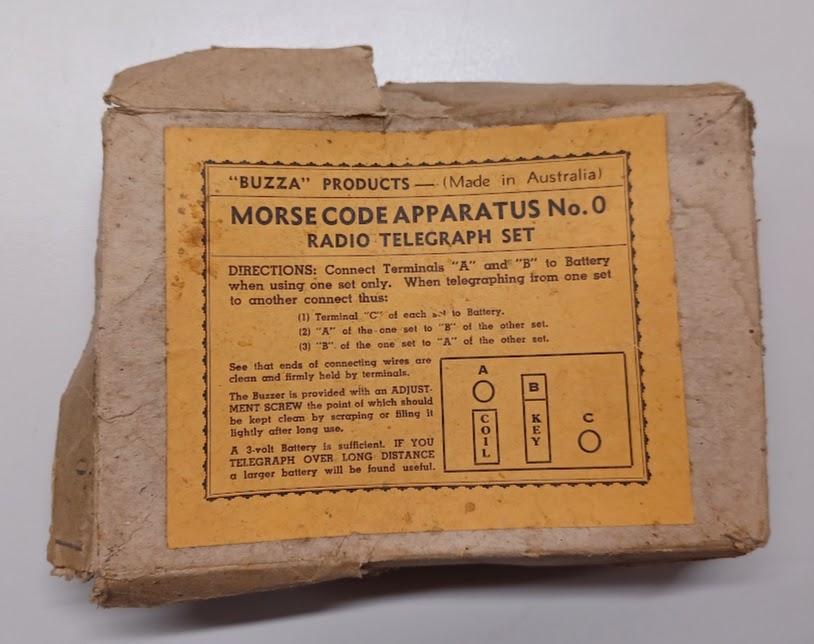
Item 2: Original cardboard box, with yellow label on the lid with black text
In 1844, Samuel Morse invented a new messaging system called "Morse Code". Messages were sent by tapping, drumming, buzzing, clicking or flashing light. People could send messages in Morse Code and get a reply back almost immediately. Mr Morse turned the letters of the alphabet and numbers into a series of beeps (eg. short beeps called 'dots'; and long beeps called 'dashes').
The Morse Code Apparatus No.0 (also known as the Radio Telegraph Set) is a Morse code practice and training set manufactured by Buzza Products in Sydney, Australia. The unit typically comes in a compact cardboard box that doubles as a base. The set commonly contains a transmitting brass/metal key, a receiving buzzer, one or two terminals, and a battery. By depressing the key, the circuit closes, triggering the buzzer to produce audible "dots" and "dashes". This allows an individual to practice sending and receiving code without needing a live, distant telegraph line.
Details
Details
Label on top of lid:
"Buzza" Products - Made in Australia
Morse Code Apparatus No.0
Radio Telegraph Set
Morse code set was owned by Mr Harold West, an aircraft engineer for Department of Civil Aviation during 1940-1942 :
• Harold William West
• B: 13 January 1905 Bayswater, WA
• D: 9 November 1977 Busselton, WA
• Enlisted in RAAF in 1940 (Service #16851)
Other items from Busselton Historical Society
-
Pencil Sketch - "Tuart Tree" by Prinsep (1924)
-
Program - Driving of a Pile in new Busselton Jetty
-
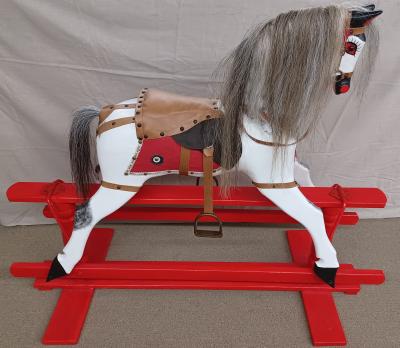
Rocking Horse (red stand)
-
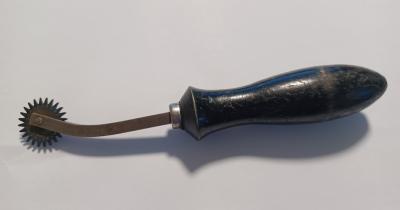
Needlework - Tracing Wheel
-
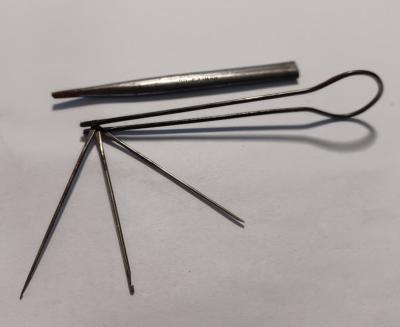
Needlework - Multiple Crochet Hook
-
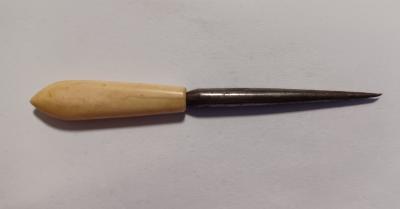
Needlework - Stitching Awl
-
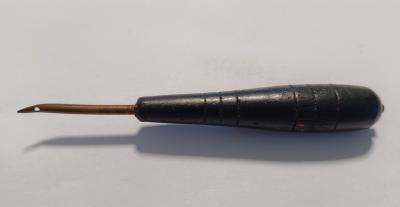
Needlework - Punch Needle
-
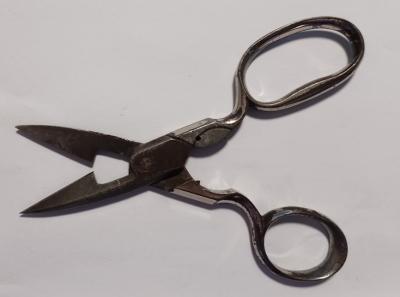
Needlework - Button Hole Scissors
-
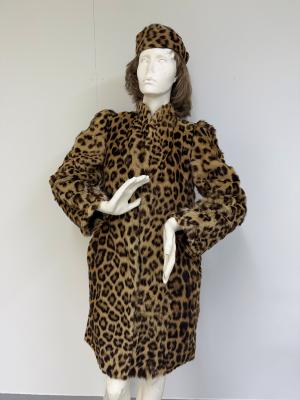
Garment - Leopard Coat & Hat
-
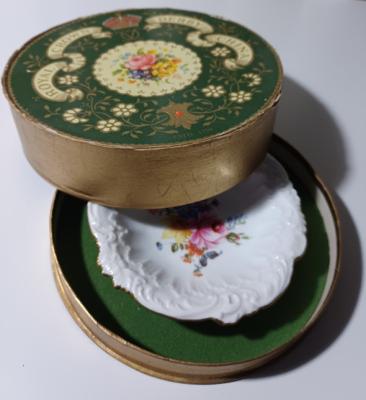
"Derby Posies" Dish - Royal Crown Derby
-
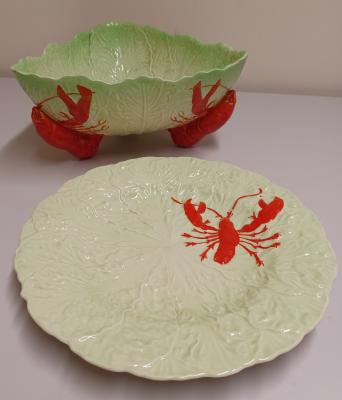
Bowl & Plate (lobster design) - "Carlton Ware"
-
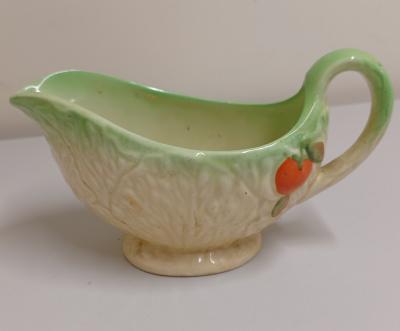
Sauce Boat (tomato design) - "CarltonWare"