
'Souvenir of Wattle Day 1915' booklet
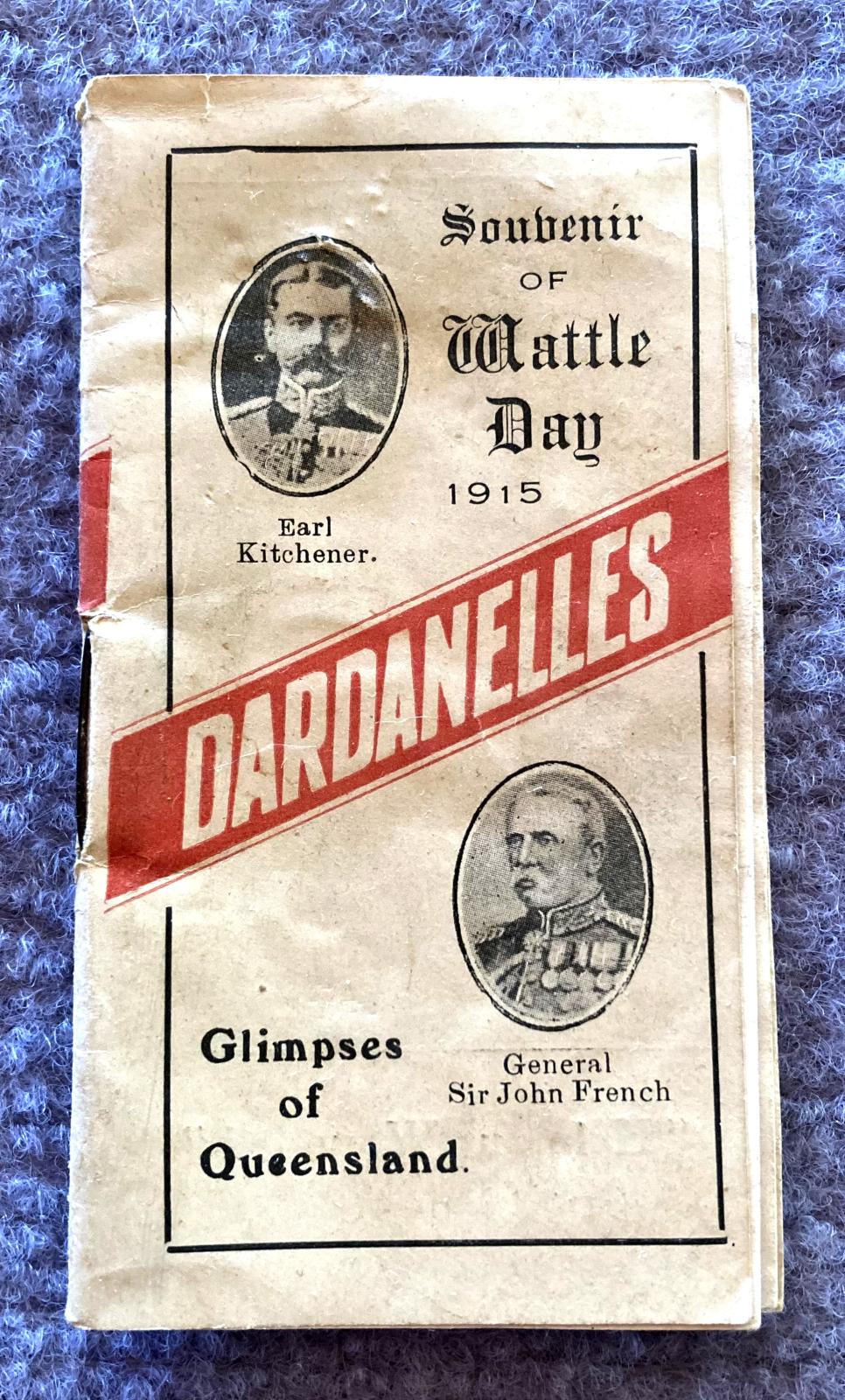
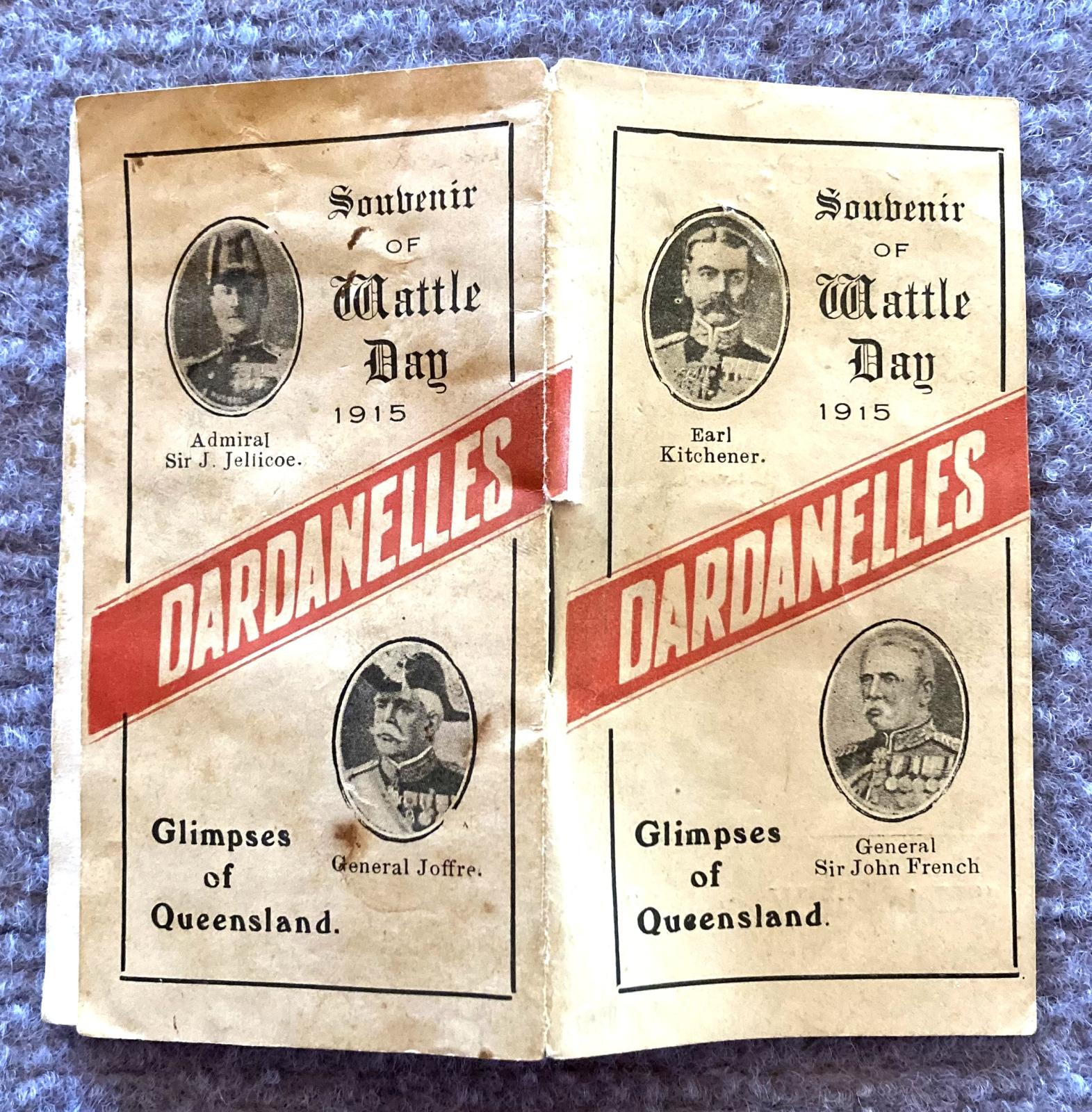
1915Booklet produced as a 'Souvenir of Wattle Day 1915'. It has cream coloured covers with greyscale oval portraits of Earl Kitchener and General Sir John French above and below a red diagonal sash containing the word 'Dardanelles' in large cream block letters.
The words 'Glimpses of Queensland' are printed in black in the lower left inside a thin black border which extends around the outside of the cover.
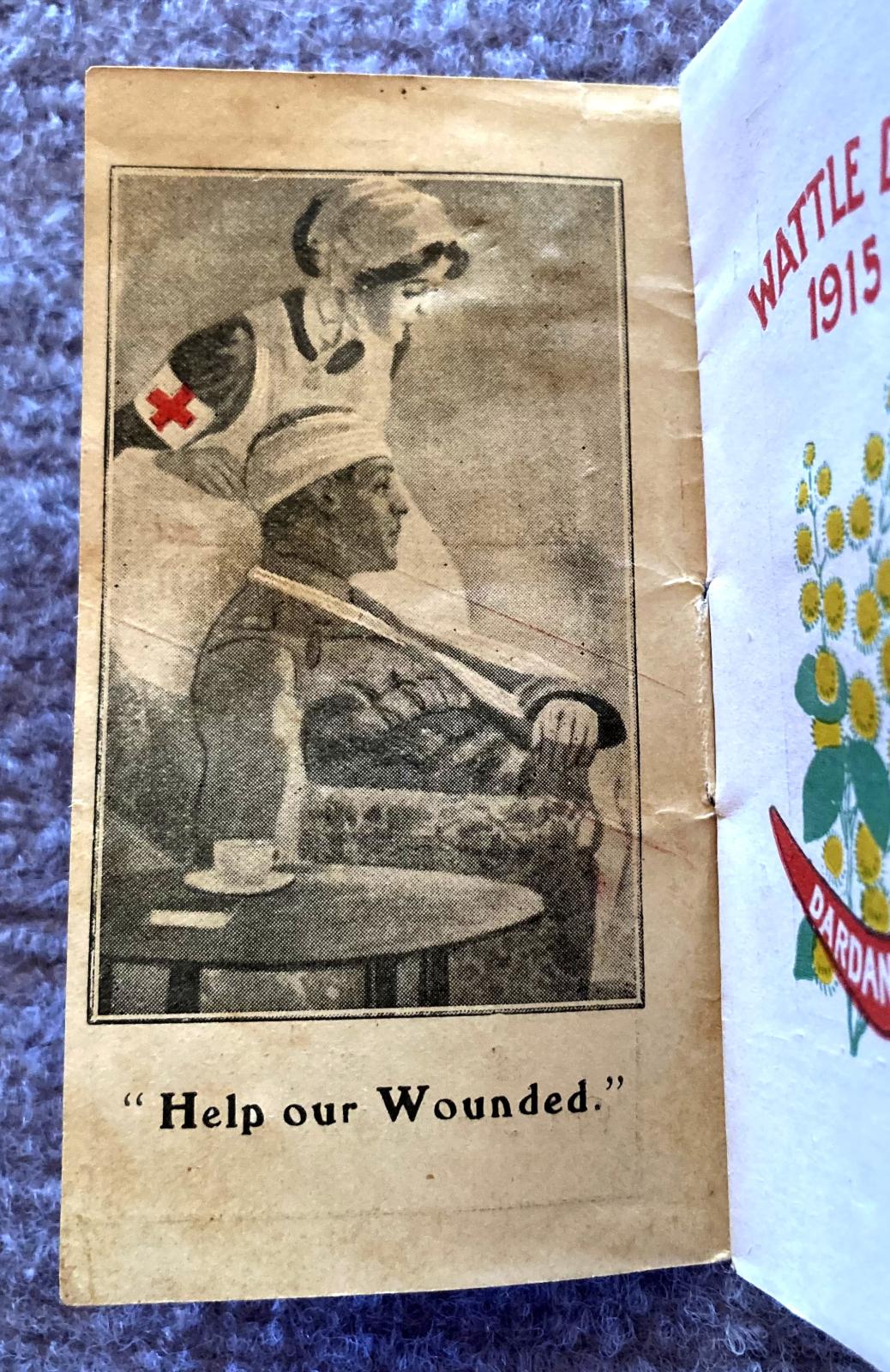
The inside front cover features a mostly black and white illustration of a nurse with her wounded patient. He has a bandage around his head and his arm in a sling. The only colour in the picture is the bright red cross on the nurse's armband. The phrase "Help our Wounded" is printed in black below the illustration.
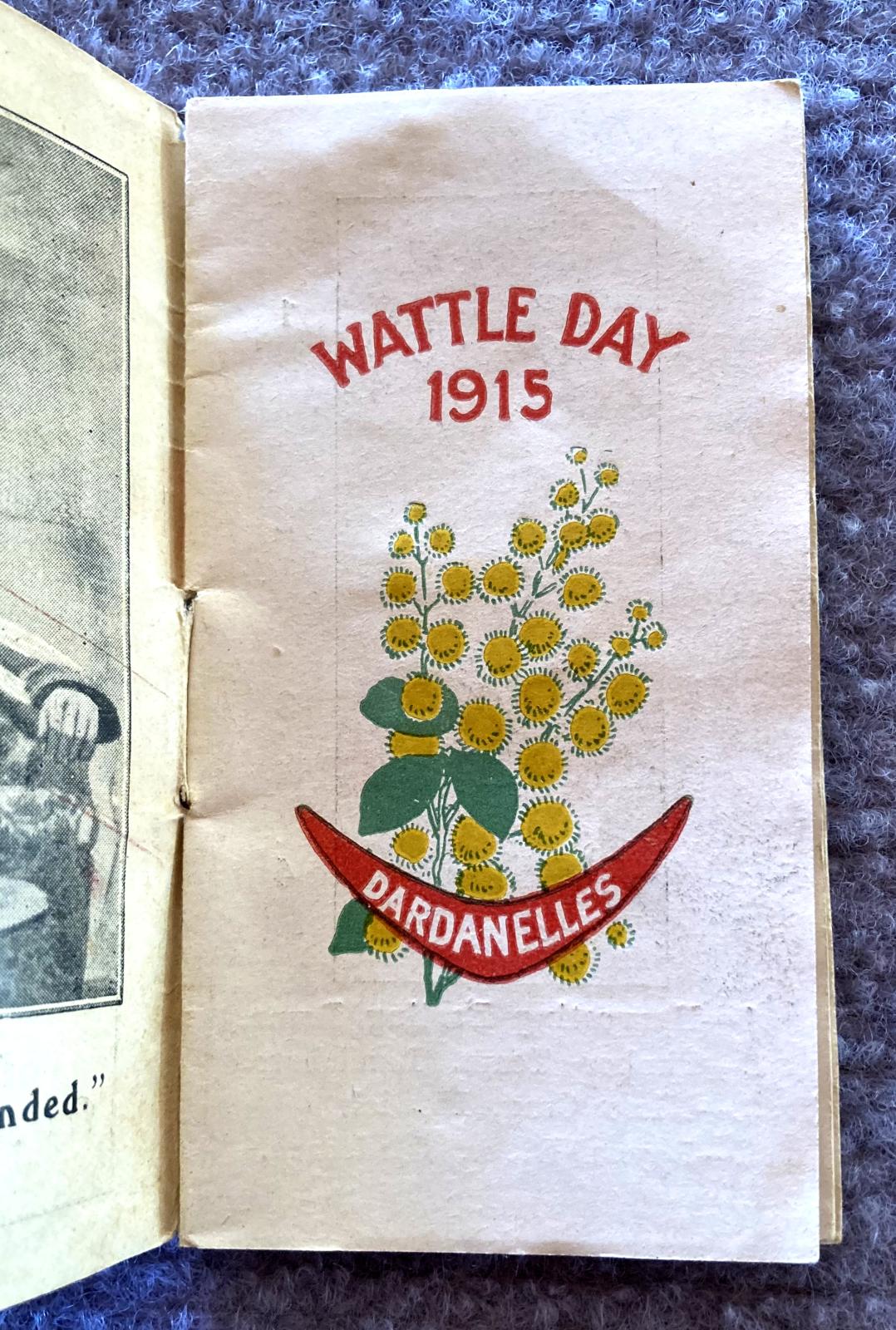
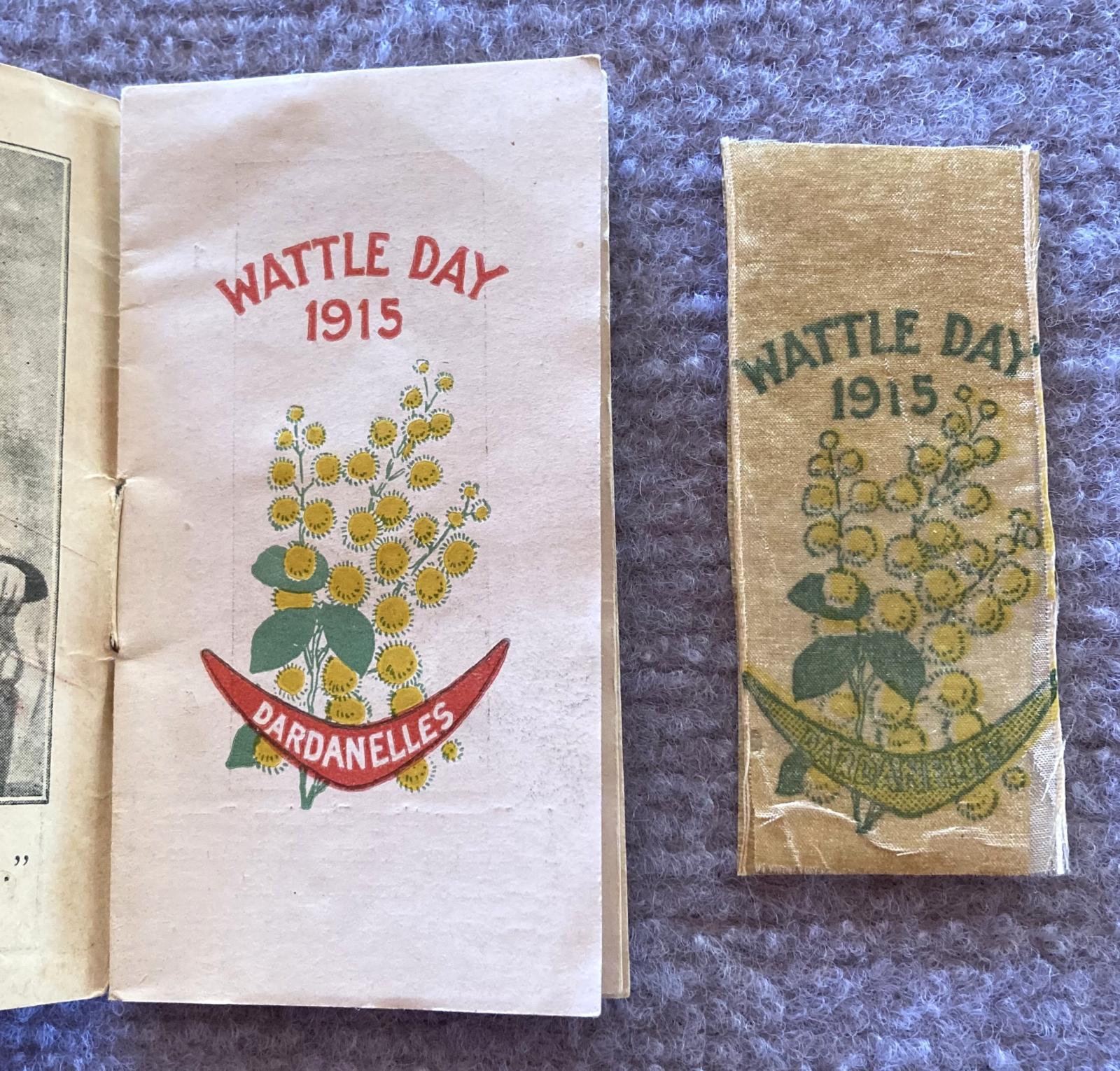
The title page of the booklet has a colourful depiction of the matching silk fundraising ribbon, with 'Wattle Day' printed in red in a shallow arc and '1915' below. A sprig of wattle leaves and flowers are showin in bright green and yellow, and underneath is an inverted red boomerang containing the word 'Dardanelles' in white block letters within.
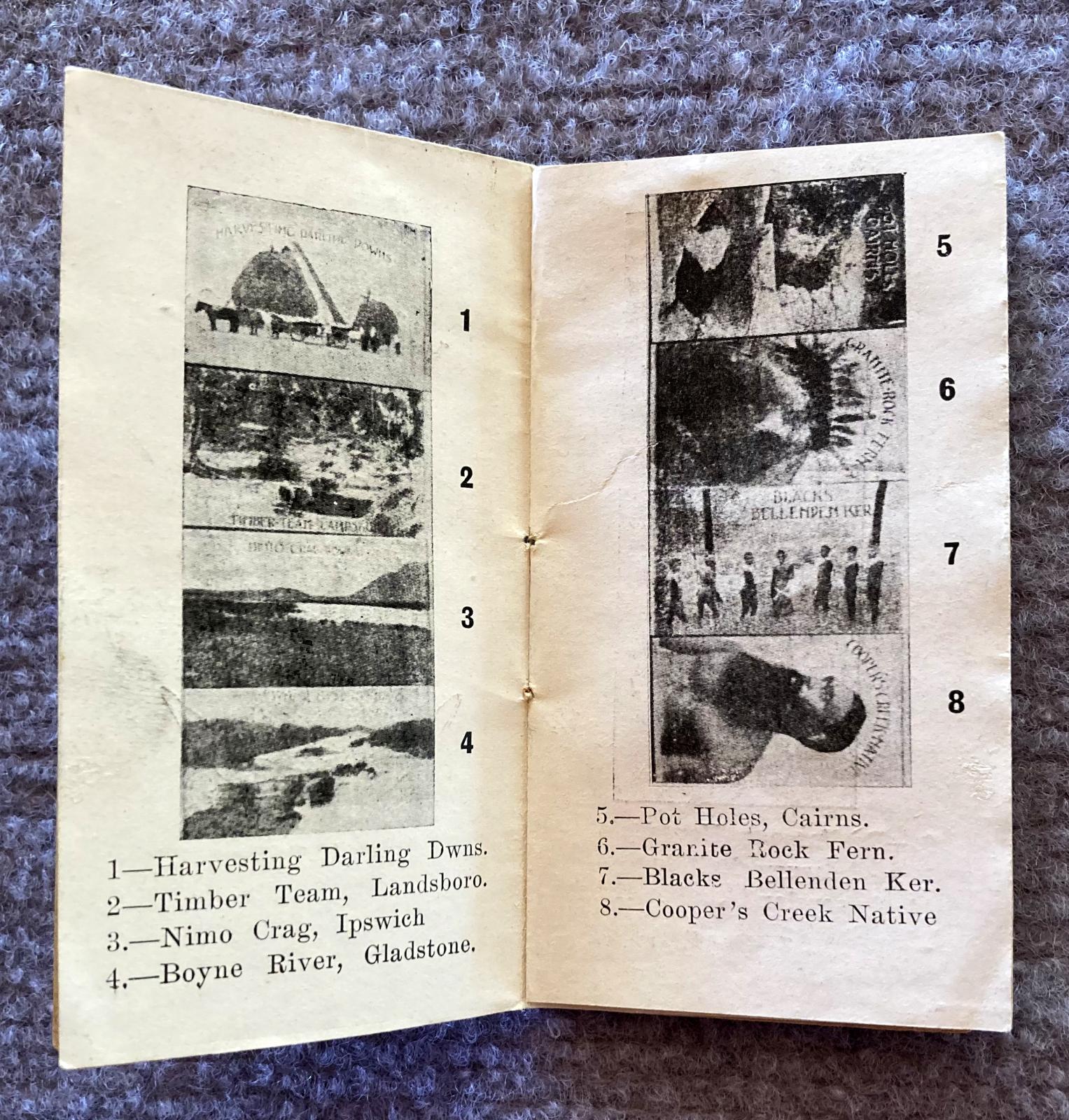
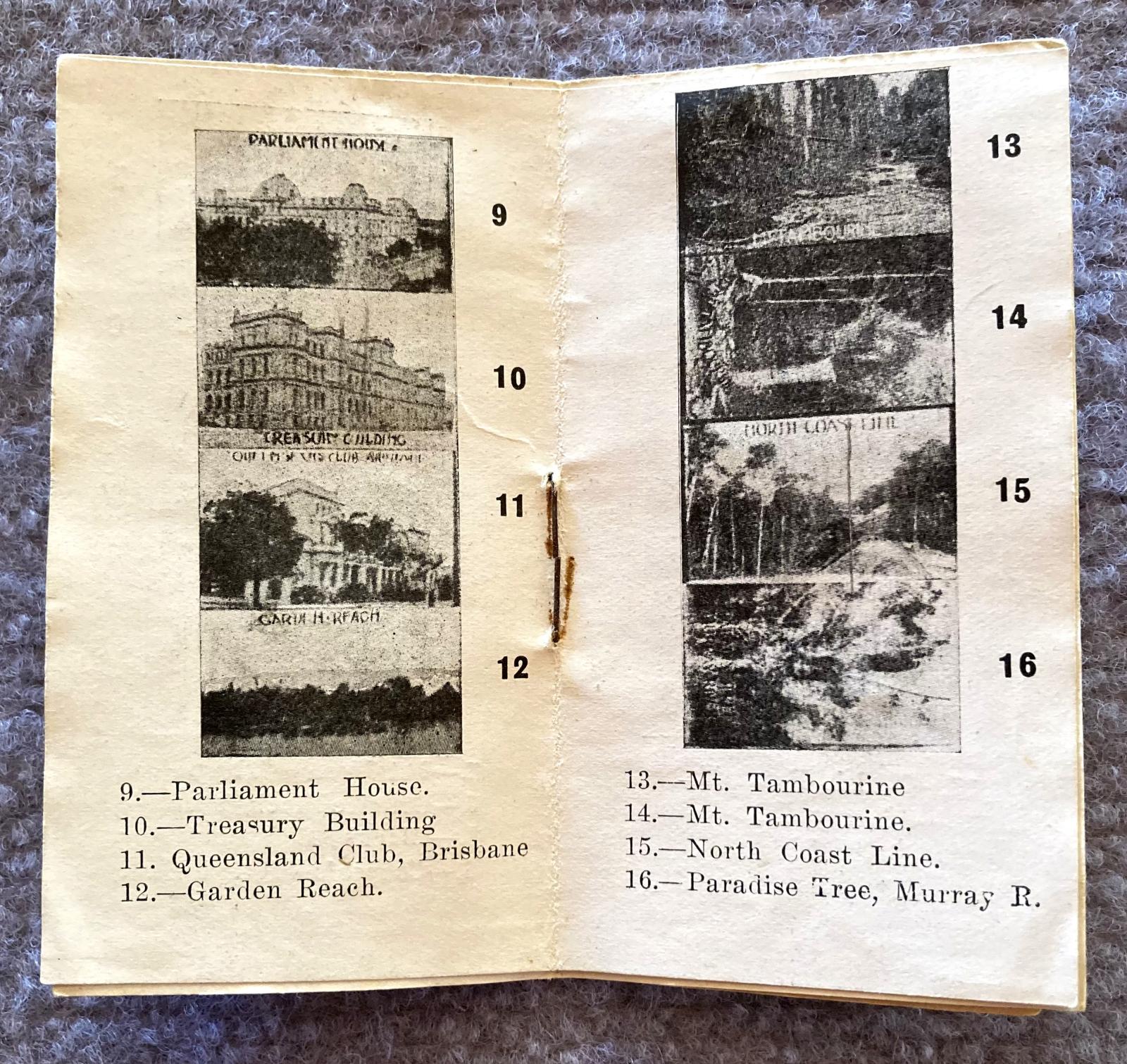
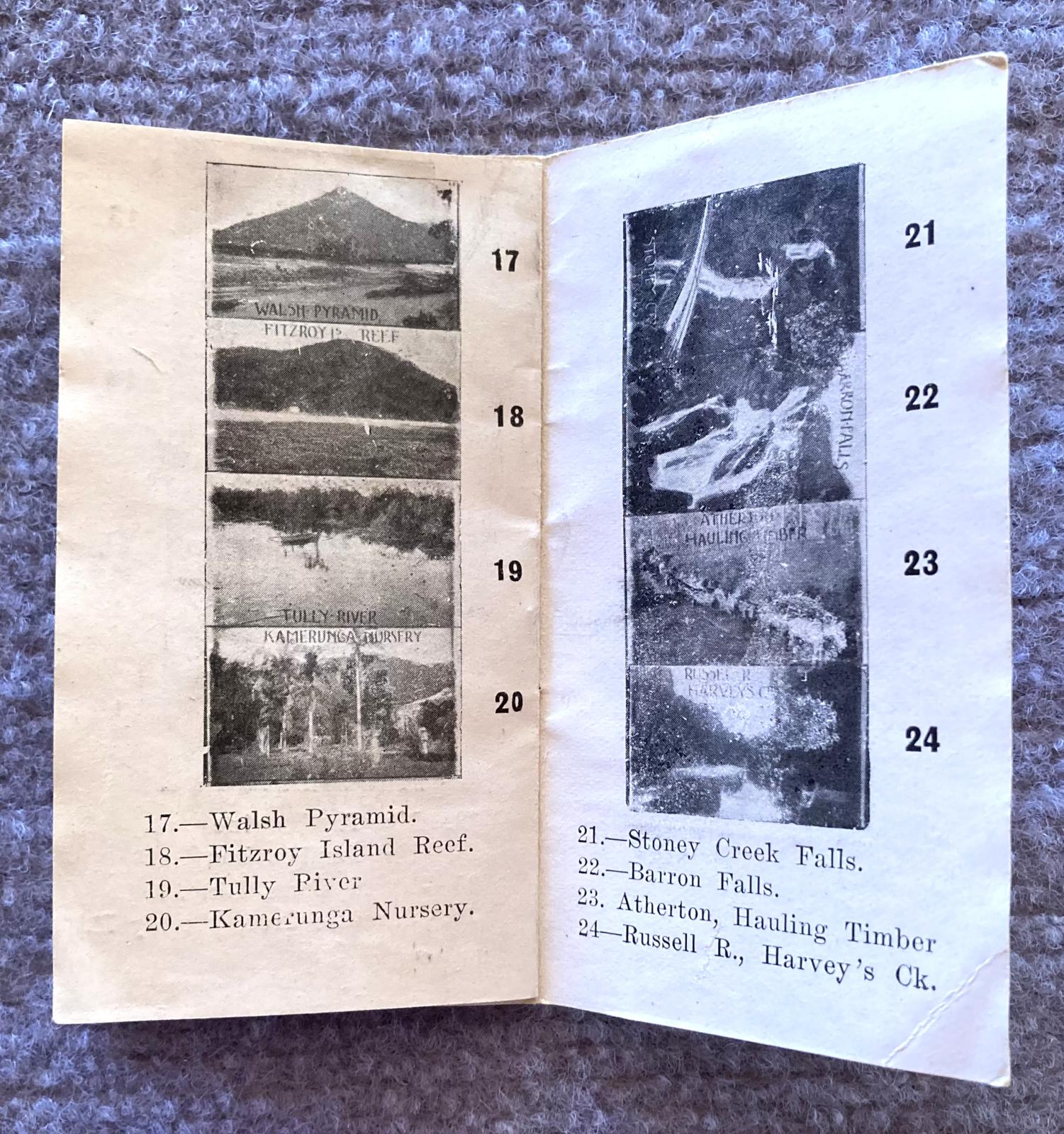
The internal leaves of the booklet are white in colour, with each page having 4 greyscale photographic illustrations of various places in Queensland. There are a total of 24 such 'glimpses of Queensland'.
On the inside of the back cover is a graphic of two hands shaking, each with a black suit cuff.
The back cover is in the same format as the front cover, but features the portraits of Admiral Sir J. Jellicoe and General Joffre above and below the diagonal red sash.
Fundraising souvenirs, ribbons and badges such as this were sold in trams, buses, at railways stations and at rallies to raise money for the stated cause - in this case, 'Wattle Day'.
According to the Australian War Memorial, the Wattle Day League was formed almost concurrently in NSW and South Australia in 1909-10 with the purpose of promoting awareness of the plant, encouraging people to wear it and pushing for its adoption as a national symbol.
Founded by women and members of the Australian Natives Association, the League aimed to foster patriotic pride and national identity among Australians through the planting of wattle and other activities, eventually leading to the wattle being incorporated into the Australian Coat of Arms.
The homesickness felt by many troops serving in France and the Middle East during World War One saw the wattle become a powerful symbol for Australia and home. The League used its popularity to promote and support many fundraising events.
The 'Wattle Day' button day was held on 1 September 1915 with the proceeds distributed to various children's institutions, hospitals and charities.
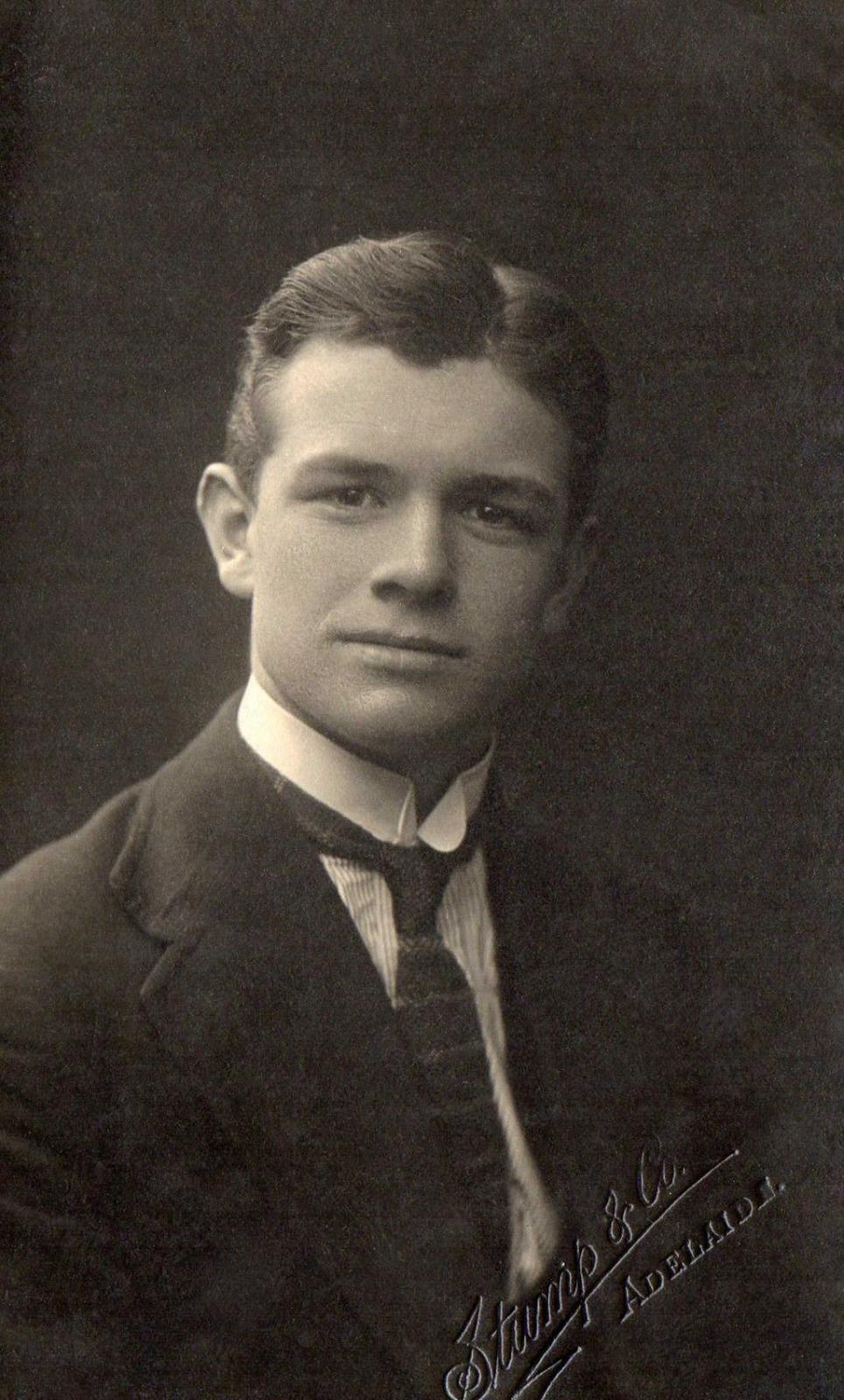
Philip Roy Dennett (known as Roy) was born in Prospect, South Australia on 30 May 1897. He was an 18 year old postal assistant when he enlisted with the 29th Battery of the 8th Field Artillery Brigade, A.I.F. on 21 September 1915. His service number was 19629.
He embarked from Melbourne, Victoria, on board HMAT A7 Medic on 20 May 1916 and served in France as a Gunner and a Driver.
He returned to Australia aboard HMAS Australia in June 1919 and as discharged a month later.'
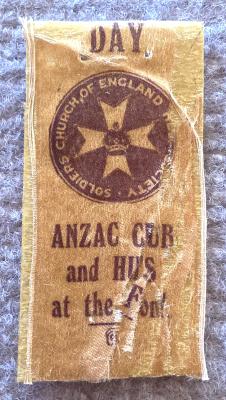
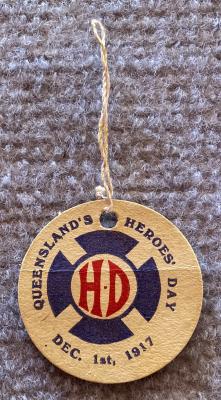
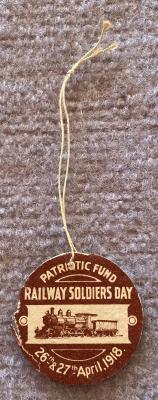
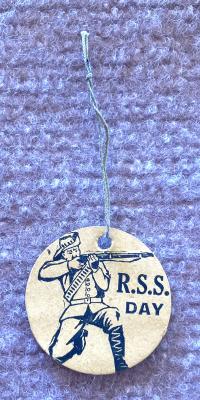
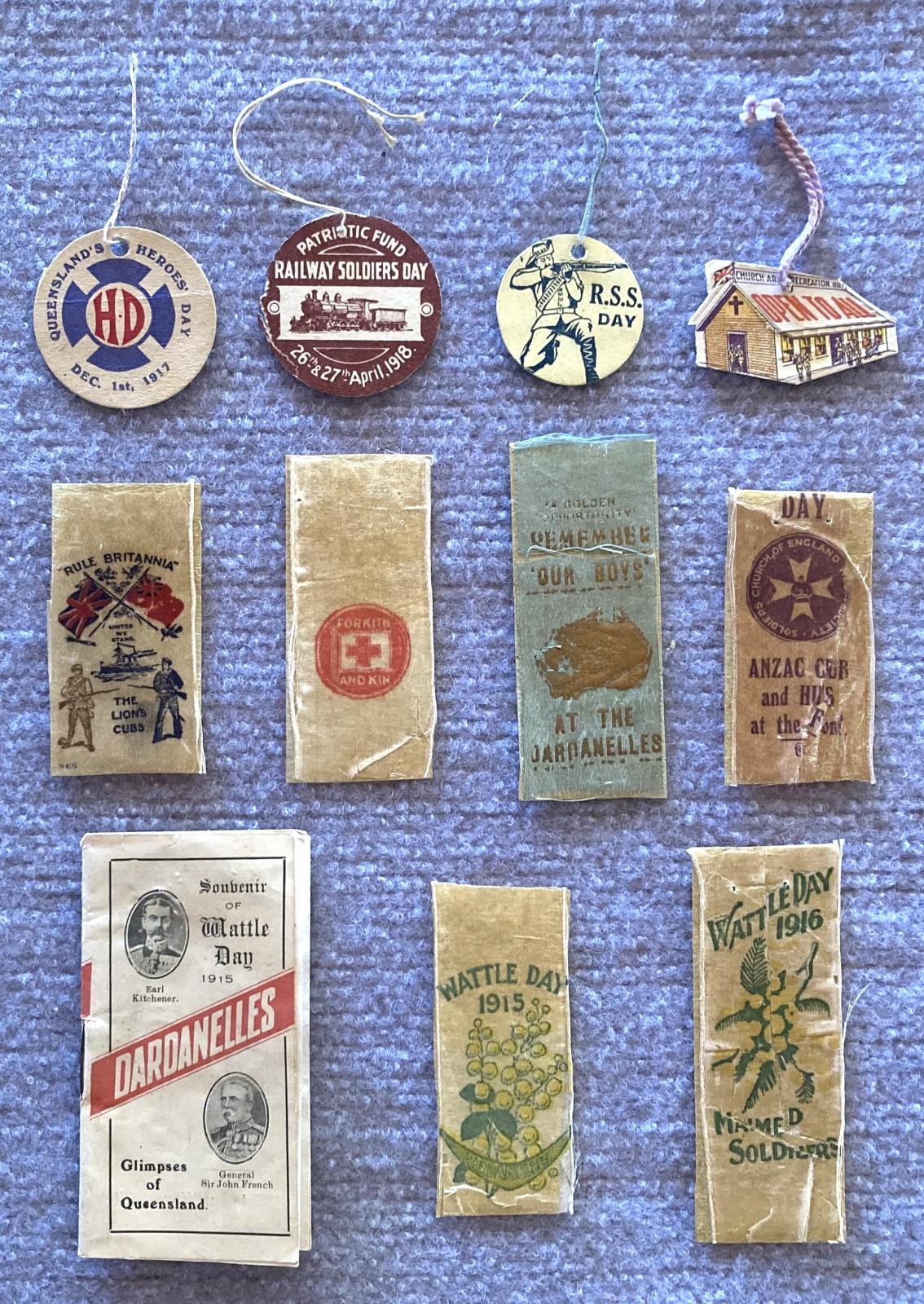
This ribbon is one from a group of 4 tags, 6 ribbons and a souvenir booklet dating from World War One which were purchased together. They were all attached to a cardboard backing protected with plastic. Written on the cardboard was: '19629 GNR P.R. DENNETT, 8 F.A.B. A.I.F.'
Roy Dennett would have been serving overseas when many of the ribbons and tags were produced and purchased, so they were possibly bought and saved by a family member. This would have been seen as supporting the war effort generally and Roy more specifically.
They are rare survivors. The ribbons in particular are very delicate and were not designed to last. They are ephemera in the true sense of the word.
This booklet is also extremely rare, with no other examples found. It features portraits of prominent military leaders during the early part of World War One and makes reference to the Dardanelles Strait, the shores on which the Gallipoli landing took place on April 25 1915.
The portrait of Roy was obtained from a distant relative and is printed with her permission.
Details
Details
Front cover from top to bottom:
"Souvenir
OF
Wattle Day
1915"
"Earl
Kitchener"
"DARDANELLES"
"General
Sir John French"
"Glimpses
of Queensland"
Inside cover:
"Help our Wounded"
Inside title page:
"WATTLE DAY
1915
DARDANELLES"
On back cover:
"Admiral
Sir J. Jellicoe"
"General Joffre"
Related Objects
Related Objects
More items like this
-
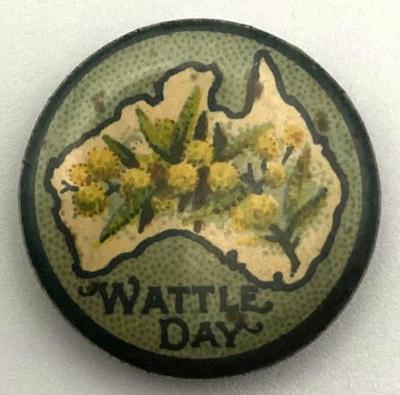
'Wattle Day' fundraising button 1918 - small size
-
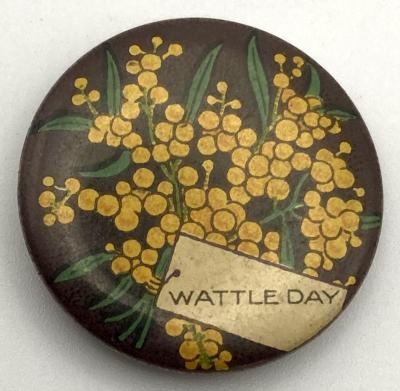
'Wattle Day' fundraising button c.1921 - large size
-
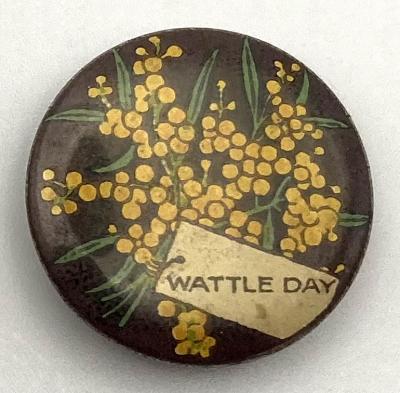
'Wattle Day' fundraising button c.1921 - small size
-
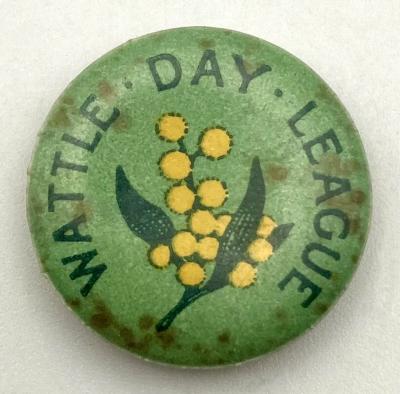
'Wattle Day League' fundraising badge - small size
-
'Wattle Day 1931' fundraising badge - small size
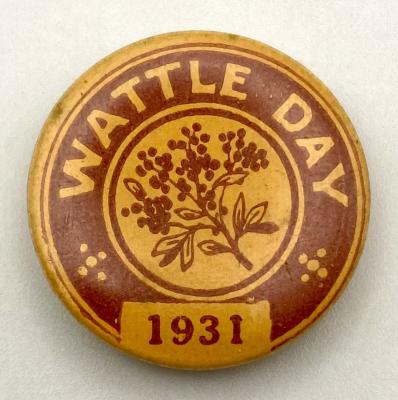
-
'Wattle Day 1932' fundraising badge - small size
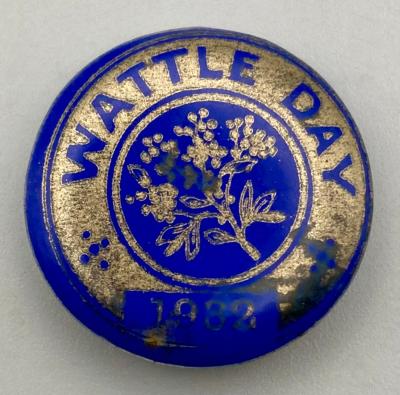
-
'Wattle Day 1936' fundraising badge - small size
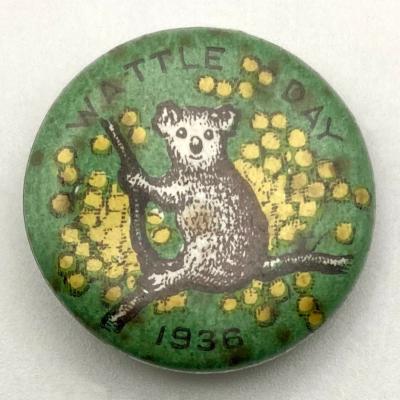
-
'Wattle Day Ballarat' fundraising badge - small size
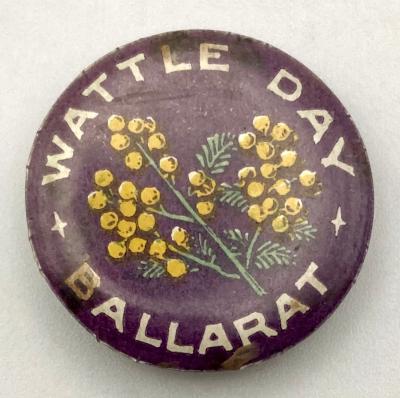
Other items from Recollections of War
-
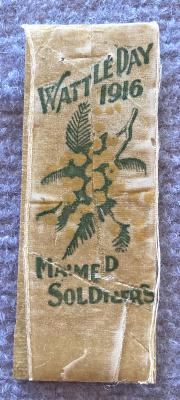
Wattle Day 1916 fundraising ribbon
-
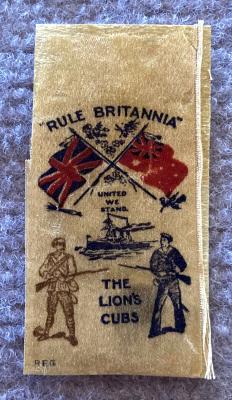
WWI fundraising ribbon - Rule Britannia, The Lion's Cubs
-
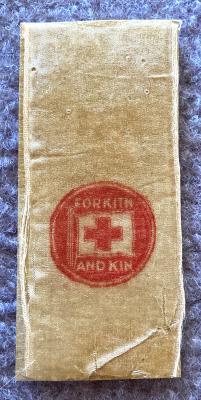
WWI fundraising ribbon - For Kith and Kin, Red Cross Day 1915
-
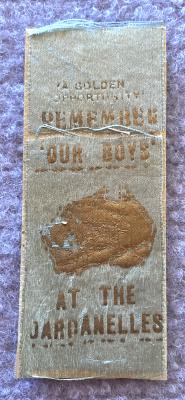
WWI fundraising ribbon - Remember our boys at the Dardanelles
-
WWI fundraising ribbon - Lavender Day, ANZAC Club and Huts
-
WWI fundraising tag - Queensland's Heroes' Day 1917
-
WWI fundraising tag - Railway Soldiers Day Patriotic Fund 1918
-
WWI fundraising tag - Returned Sailors' and Soldiers' (R.S.S.) Day
-
WWI fundraising tag - Church Army Recreation Hut
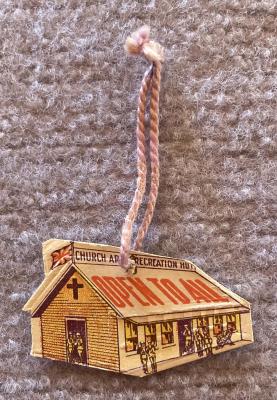
-
'Hospital Day 1918' metal and enamel fundraising brooch
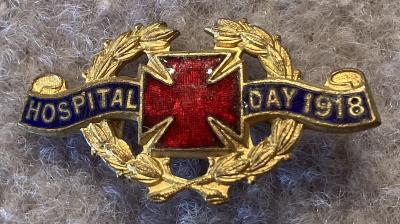
-
'Wattle Day 1918' metal and enamel fundraising brooch
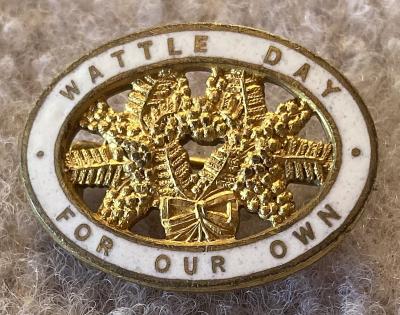
-
'Blind Day' fundraising brooch 1920
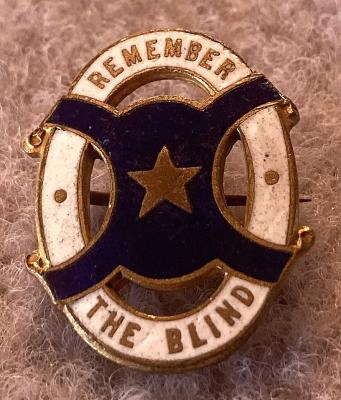
Scan this QR code to open this page on your phone ->
