
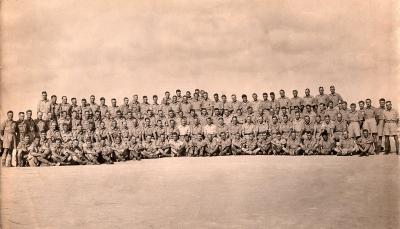
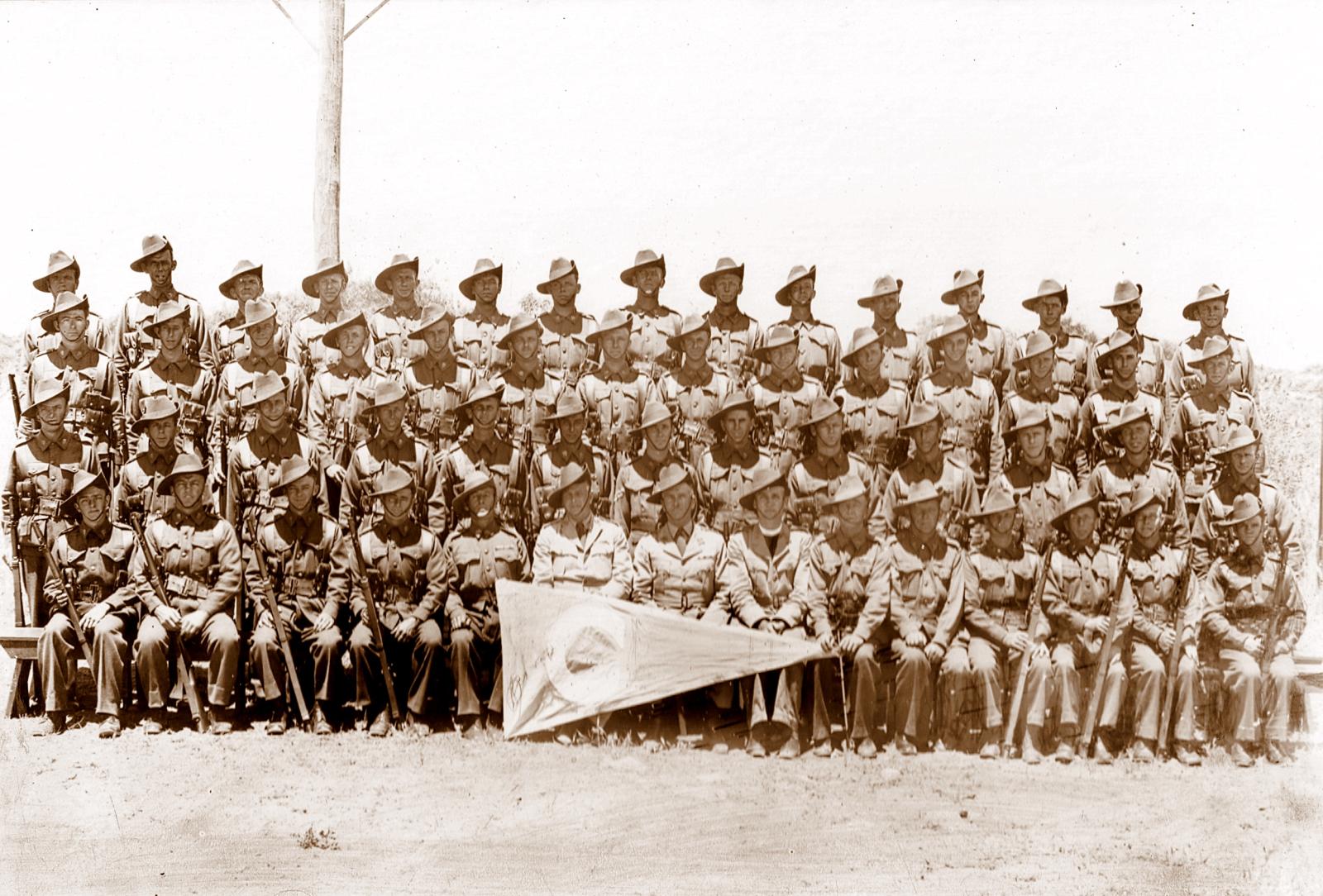
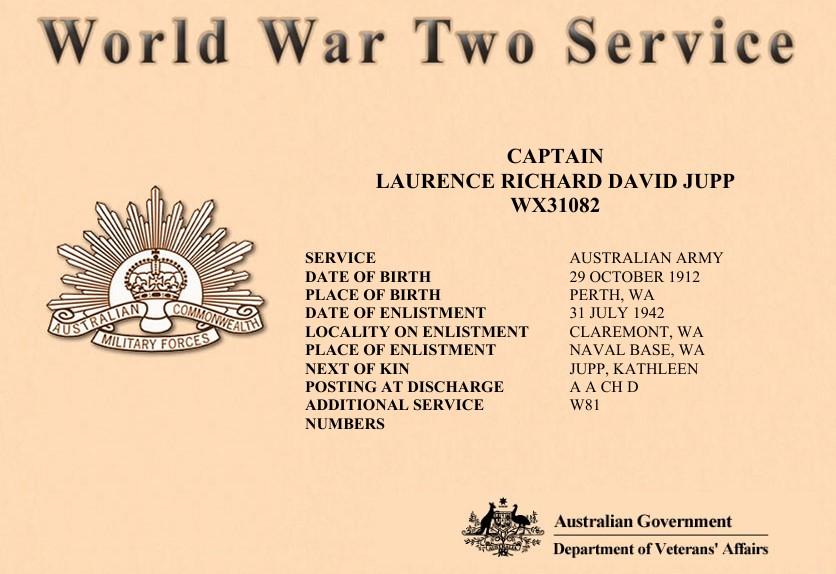
World War 2, Western Australia, Naval Base, MOUNTAIN, HEENAN, WX31082 (W81) JUPP, KENDRICKS, CROLY , 2/11 Battalion
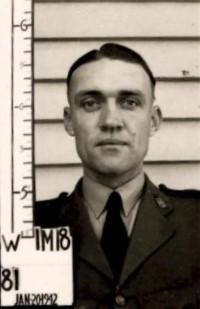
1939 - 1945L MOUNTAIN; Captain HEENAN; Padre Laurence Richard David JUPP; Warrant Officer KENDRICKS and Private A CROLY of C Company 2/11 Battalion, Australian Imperial Forces at Naval Base. Arthur is 4th from right, back row.
The Royal Australian Army Chaplains' Department (RAAChD) is an all-officer corps of the Australian Army that provides ordained clergy to minister to the personnel of the Australian Army. The role of Defence Chaplaincy is to provide spiritual and pastoral support to Army’s people by bringing honour to the dead, comfort to the sick, hope to those in distress, and support to all. The Royal Australian Army Chaplains Department has provided support to Army for 110 years. It is comprised of Australian Army officers representing Buddhist, Christian, Hindu, Islam and Jewish faith groups. Army Chaplains provide religious ministry, spiritual guidance, pastoral care, and a range of other support to Army members and their families.
Army Chaplains maintain an operational focus and are posted to Army units throughout Australia. They are members of the Commander's personnel support team, operating as a key staff adviser. Numbers fluctuate but there are over 60 serving regular chaplains (commonly known as 'padres') in the full-time Australian Army and over 80 chaplains in the Australian Army Reserve.
Details
Details
The Department was granted the privilege of the prefix 'Royal' by King George VI along with a number of other Australian Army corps in December 1948 in recognition of their service during World War 2. The Royal Australian Army Chaplains' Department has two cap badges, one for its Christian chaplains that features a Maltese cross, and another for Jewish chaplains that features a Star of David. Chaplains are permitted to wear their assigned unit's beret if one is worn, but with the RAAChD cap badge.
Christian chaplains wear a cross on the shirt collars and lapels of their uniforms; Jewish chaplains wear a Star of David instead. Principal Chaplains wear gorget patches (of a Brigadier or Colonel respectively) in purple (instead of red) RAAChD chaplains wear a purple lanyard over their right shoulder instead of their assigned unit's lanyard.
Army chaplains, although they are all commissioned officers of the Australian Army and wear uniform, do not carry arms. They are the only officers not to carry swords on parade. Chaplains are permitted to wear a clerical collar and black stock under the service, utility or mess jackets, At services on formal occasions, chaplains wear their medals and decorations on their clerical robes.
P2001.180.1r
AHMS IRN 30071
Australian Army Museum of Western Australia
Australian Army Museum of Western Australia
Other items from Australian Army Museum of Western Australia
-
World War 2, 2/11 Battalion
-
World War 2, Western Australia, CLAIR, Salvation Army, Australian Army Medical Womens service

-
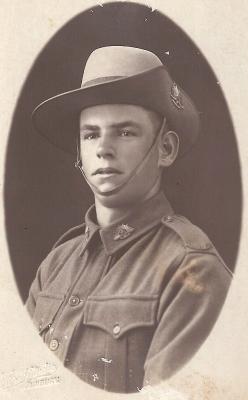
World War 1, Western Australia, MARTIN, 28 Battalion, Australian Imperial Force
-
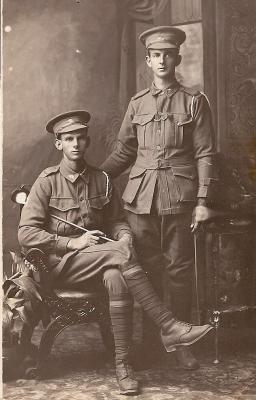
World War 1, Western Australia, 4427 FAIRHEAD and 4428 FAIRHEAD, 28 Battalion, Australian Imperial Force, 1915
-
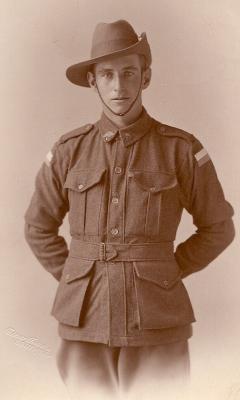
World War 1, Western Australia, FAIRHEAD, 28 Battalion, Australian Imperial Force
-
World War 1, Western Australia, 2883 FAIRHEAD, 48 Battalion Australian Imperial Force
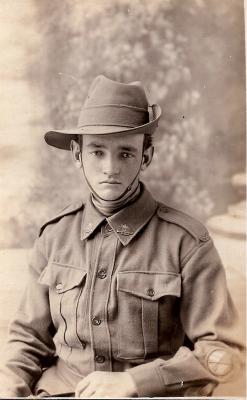
-
World War 1, Western Australia, 6304 CORNISH, 16 Company, Australian Army Service Corps,1917
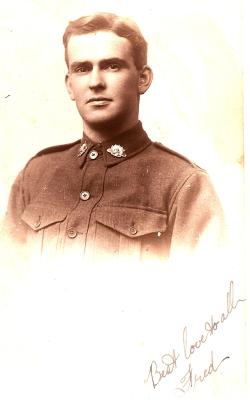
-
World War 1,Western Australia, 20680 HUDD, 15 Field Ambulance, Australian Army Medical Corps, Australian Imperial Forces
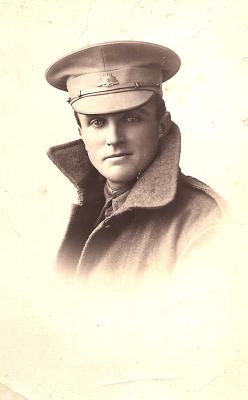
-
World War 1,Western Australia, LANGFORD, 3rd Divisional Signal Company, Australian Imperial Forces
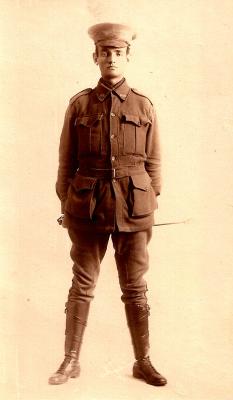
-
World War 1, Western Australia, 4489 MARTIN, 28 Battalion Australian Imperial Force
-
World War 1, Western Australia, 4489 MARTIN, 28 Battalion Australian Imperial Force
-
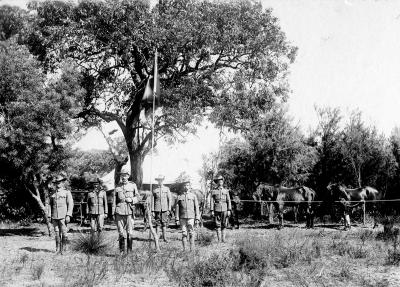
Pre 1914, Western Australia, Karrakatta, LE SOUEF, 1905
Scan this QR code to open this page on your phone ->