
Portable Altar and Communion Set Presented to Canon Robert Henry MOORE, Rural Priest and Australian Imperial Force Chaplain
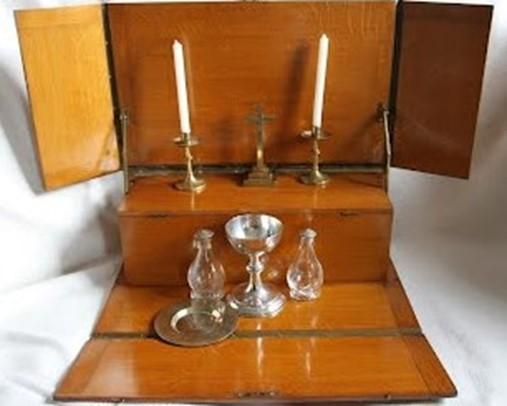
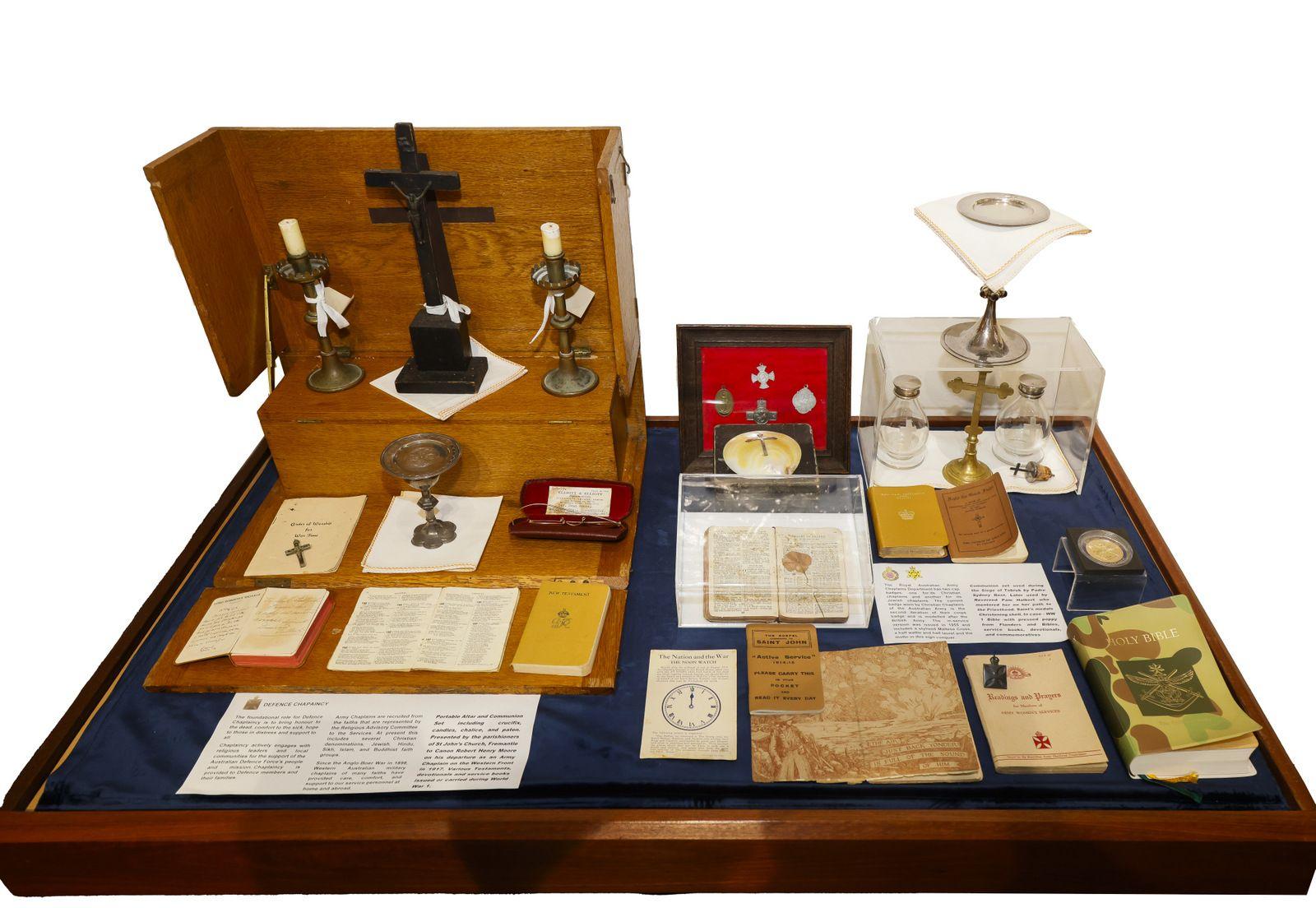
1914 - 1918Portable Communion set consisting of wooden altar serving as carrying case and fitted with candlesticks, cruxifix and communion vessels manufactured. Sterling silver dedication plate attached to front of closed case.
Robert Henry Moore was born on 8 June 1872 at Mullingar, County Westmeath, Ireland. He read theology at Trinity College, Dublin and was ordained priest on 13 June 1897. Moore responded to an appeal by Bishop Riley for additional clergy to minister to Western Australia's gold rush population. He reached Fremantle in the Oruba on 1 June 1898 and spent 10 years in bush parishes. A miner’s saying of the time was, “As soon as the women and goats come, then the parsons”. Moore’s response was, “I decided that I would get there before the goats”.
Recognition of Moore's energy and leadership came in 1910 when he was appointed a canon of St George's Cathedral, Perth, and in 1911 when he was assigned as priest to St John's Church, Fremantle. After he was discharged from the AIF he returned to Fremantle. On 14 September 1921 he married Margaret, the daughter of Archbishop Riley. Moore served as Archdeacon of Northam and rural dean in 1921-29, before his election as dean of Perth in October 1929.
Details
Details
After the death of his first wife in 1916, Cannon Moore was commissioned in November 1917, as a chaplain in the Australian Imperial Force. He served with the 3rd Light Horse Brigade in the Middle East in 1918-19. This portable altar and communion set was a departure gift from the parishioners of St John’s, Fremantle.
The Royal Australian Army Chaplains' Department (RAAChD) is an all-officer corps of the Australian Army that provides ordained clergy to minister to the personnel of the Australian Army. The role of Defence Chaplaincy is to provide spiritual and pastoral support to Army’s people by bringing honour to the dead, comfort to the sick, hope to those in distress, and support to all. The Royal Australian Army Chaplains Department has provided support to Army for 110 years. It is comprised of Australian Army officers representing Buddhist, Christian, Hindu, Islam and Jewish faith groups. Army Chaplains provide religious ministry, spiritual guidance, pastoral care, and a range of other support to Army members and their families.
Army Chaplains maintain an operational focus and are posted to Army units throughout Australia. They are members of the Commander's personnel support team, operating as a key staff adviser. Numbers fluctuate but there are over 60 serving regular chaplains (commonly known as 'padres') in the full-time Australian Army and over 80 chaplains in the Australian Army Reserve.
The Department was granted the privilege of the prefix 'Royal' by King George VI along with a number of other Australian Army corps in December 1948 in recognition of their service during World War 2. The Royal Australian Army Chaplains' Department has two cap badges, one for its Christian chaplains that features a Maltese cross, and another for Jewish chaplains that features a Star of David. Chaplains are permitted to wear their assigned unit's beret if one is worn, but with the RAAChD cap badge.
Christian chaplains wear a cross on the shirt collars and lapels of their uniforms; Jewish chaplains wear a Star of David instead. Principal Chaplains wear gorget patches (of a Brigadier or Colonel respectively) in purple (instead of red) RAAChD chaplains wear a purple lanyard over their right shoulder instead of their assigned unit's lanyard.
Army chaplains, although they are all commissioned officers of the Australian Army and wear uniform, do not carry arms. They are the only officers not to carry swords on parade. Chaplains are permitted to wear a clerical collar and black stock under the service, utility or mess jackets, At services on formal occasions, chaplains wear their medals and decorations on their clerical robes.
Australian Army Museum of Western Australia
Australian Army Museum of Western Australia
Other items from Australian Army Museum of Western Australia
-
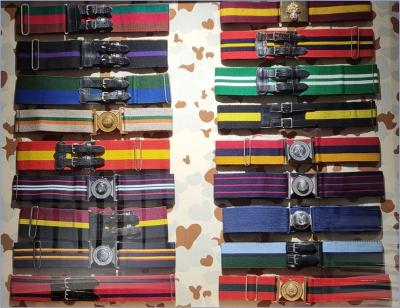
Uniform Accoutrements - Regimental and Corps Stable Belts
-
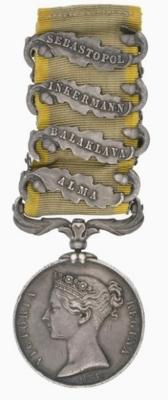
British Crimean War Medal
-
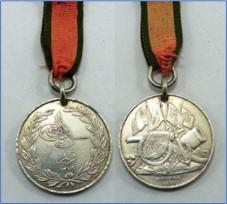
Turkish Crimean War Medal
-
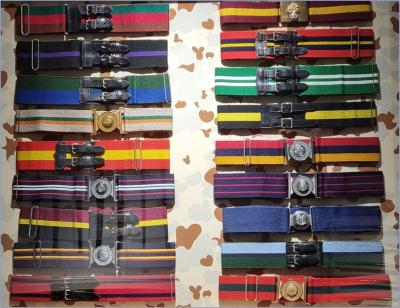
Regimental and Corps Stable Belts
-
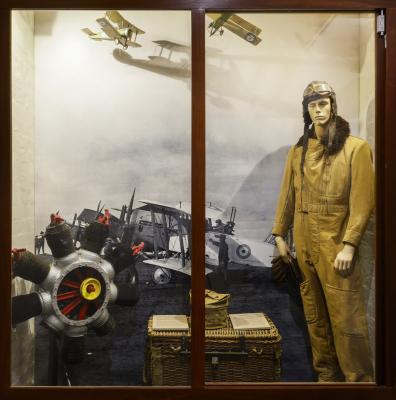
World War 1, Mannequin Display, SIDCOT Pattern Flying Suit
-
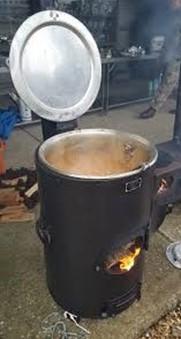
Soyer Portable Army Catering Stove
-
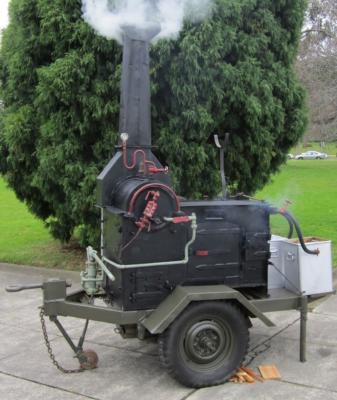
Wiles Mobile Junior Steam Cooker World War 2
-
Motorised Submersible Canoe "Sleeping Beauty"
-
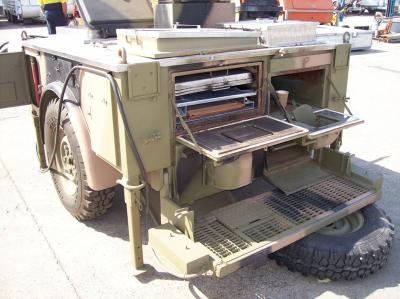
Kitchen Field Mobile (KFM)
-
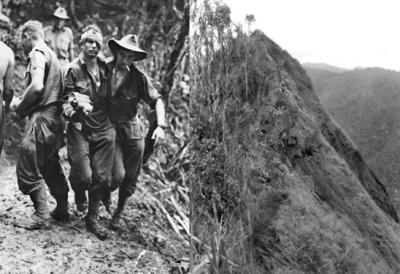
Distinguished Conduct Medal - WX14757 Corporal Merv Hall, 2/16 Battalion
-
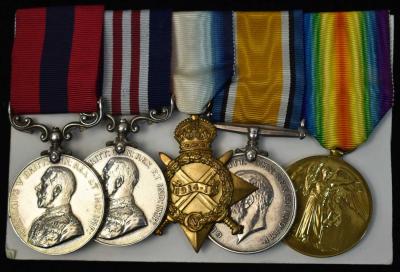
Medal Group including Distinguished Conduct Medal and Military Medal 3400 Sergeant John Alexander SPENCE, 12 Battalion AIF and 52 Battalion AIF
-
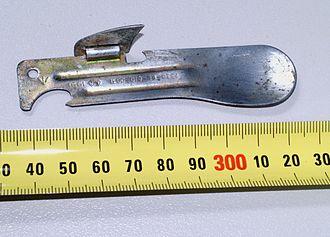
Food Ration Eating Device (FRED)

Scan this QR code to open this page on your phone ->