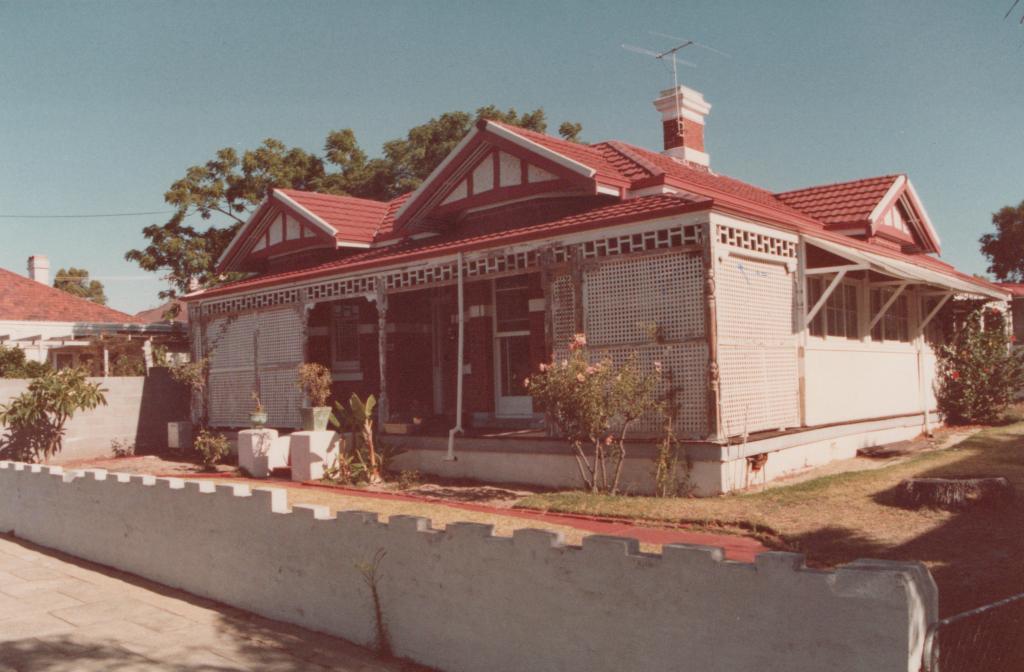
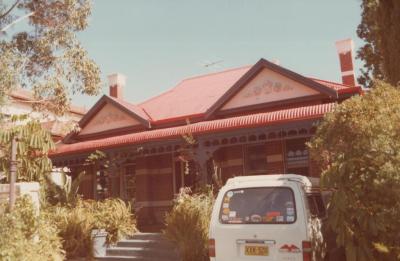
PHOTOGRAPH: ST ALBANS EVERETT STREET, NATIONAL ESTATE SURVEY COLLECTION
1985Coloured photograph of a building, called ''St Albans'', at Everett Street. It is a two story brick and tile apartment block. It has a hipped roof. There are some gables on the roof. The roof is made of red tiles. There is a verandah supported by wooden beams. There is a wooden decorative framework attached beneath the roof. There is a lattice framework covering some of the verandah. There is a fixed canopy made of red tiles above some windows on the right side of the house. There is a white and red brick chimney on the roof. There is a grass patch with sume bushes and plants in front of the house. There is a wall in front of the grass patch and the house. Large trees are seen in the background.
Reverse: Written on the reverse in blue pen '159/7/222/1,2/''St Albans'' '
From a series of photographs taken by Ian Molyneux for the National Estate Survey of Subiaco in 1985.
This building was designed by Krantz and Sheldon. The work of Harold Krantz and Robert Sheldon became synonymous with the design and construction of many flats and apartments in Perth from the mid 1940s, producing mass housing that required a minimum of maintenance at affordable prices. Krantz and Sheldon demonstrated an architectural style that followed the principles of Modernism; simplistic, functional and economic with clever use of space and materials. In a period of about 30 years Krantz and Sheldon designed the majority of the flats built in Perth. (Ref: Interview with George Sheldon, Feb 2001) The land in Nedlands on the Crawley foreshore was originally under the control of the Claremont Road Board, until annexed by Subiaco in 1907. This changed the local government boundary, and gained Subiaco some of the foreshore. From the early 1890s, the Crawley riverfront was a popular place for picnicking, boating, swimming and crabbing, referred to as 'Subiaco Beach' by many local residents. The extension of the tramway to Nedlands in 1908 further increased the riverside's popularity. In 1910 with the efforts of Mayor Shirley White, the Government resumed the land to be reserved for use as a public recreation area. The University was established in 1930 following the Crawley site being chosen in 1921. Post-war progress and the increase in population saw the redevelopment and construction of many apartment blocks and in 1952, Subiaco attained the status of a city. Pride in Subiaco further increased with the success from the Royal Perth Yacht Club with Australia 11 winning the America's Cup in 1983. (Sources: Wise's Post Office Directory 1920-1949; Spillman, Ken, Identity Prized: A History of Subiaco, City of Subiaco, UWA Press, 1985, pp. 105,155-158,355.)
Details
Details
Ian Molyneux
From a series of photographs taken by Ian Molyneux for the National Estate Survey of Subiaco in 1985.
Other items by Ian Molyneux
-
PHOTOGRAPH: 81 OLIVE STREET, NATIONAL ESTATE SURVEY COLLECTION

-
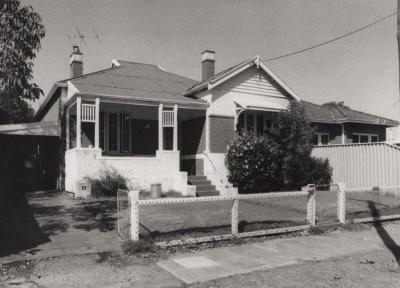
PHOTOGRAPH: 379 BAGOT ROAD, NATIONAL ESTATE SURVEY COLLECTION
-
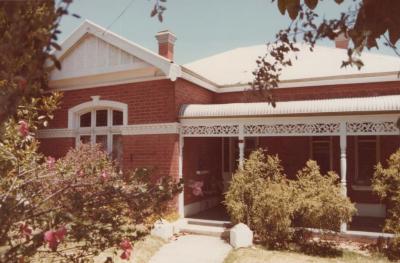
PHOTOGRAPH: 215 ROBERTS ROAD, NATIONAL ESTATE SURVEY COLLECTION
-
PHOTOGRAPH: 139 COGHLAN ROAD, NATIONAL ESTATE SURVEY COLLECTION

-
PHOTOGRAPH: 36 ROSEBERY STREET, NATIONAL ESTATE SURVEY COLLECTION

-
PHOTOGRAPH: 140 BAGOT ROAD, NATIONAL ESTATE SURVEY COLLECTION

-
PHOTOGRAPH: 75 OLIVE STREET, NATIONAL ESTATE SURVEY COLLECTION
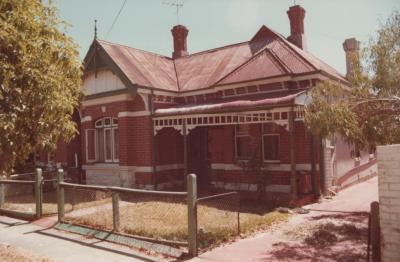
-
PHOTOGRAPH: 193 ROBERTS ROAD, NATIONAL ESTATE SURVEY COLLECTION
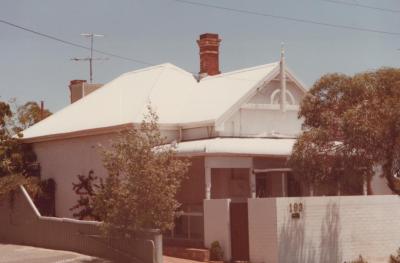
-
PHOTOGRAPH: 285-293 ROBERTS ROAD, NATIONAL ESTATE SURVEY COLLECTION
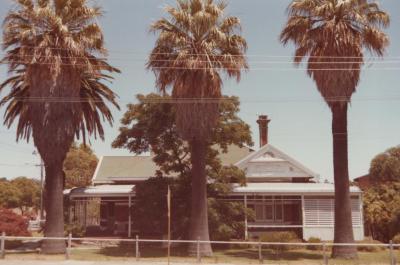
-
PHOTOGRAPH: 123 HEYTESBURY ROAD, NATIONAL ESTATE SURVEY COLLECTION
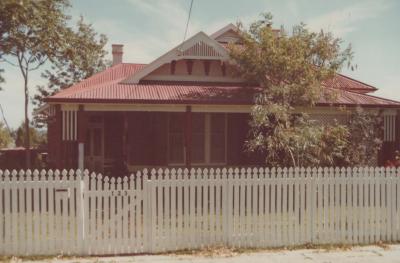
-
PHOTOGRAPH: UNKNOWN HOUSE BAGOT ROAD, NATIONAL ESTATE SURVEY COLLECTION
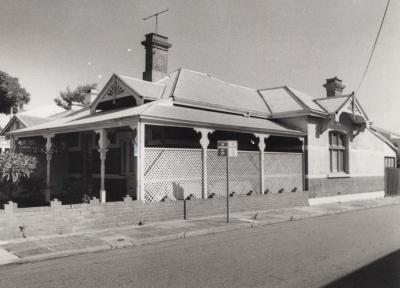
-
PHOTOGRAPH: 85 HEYTESBURY ROAD, NATIONAL ESTATE SURVEY COLLECTION
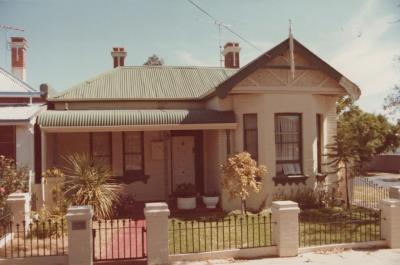
Other items from Subiaco Museum
-
PHOTOGRAPH: UNKNOWN HOUSE SUBIACO, NATIONAL ESTATE SURVEY COLLECTION
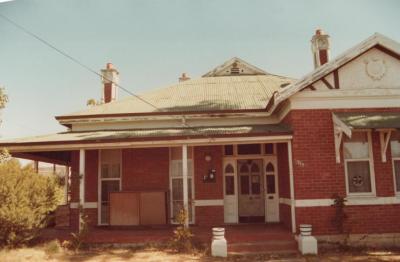
-
PHOTOGRAPH: 180 BARKER ROAD, NATIONAL ESTATE SURVEY COLLECTION
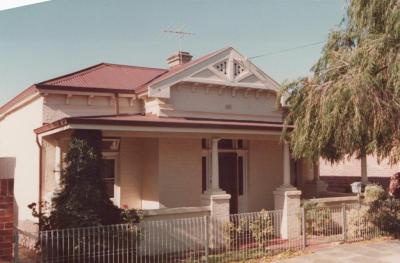
-
PHOTOGRAPH: UNKNOWN HOUSE SUBIACO, NATIONAL ESTATE SURVEY COLLECTION
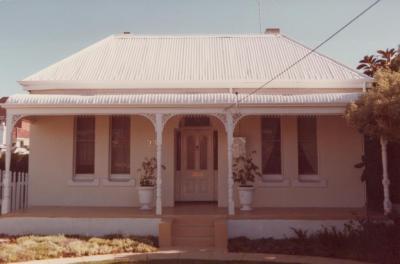
-
PHOTOGRAPH: UNKNOWN HOUSE SUBIACO, NATIONAL ESTATE SURVEY COLLECTION
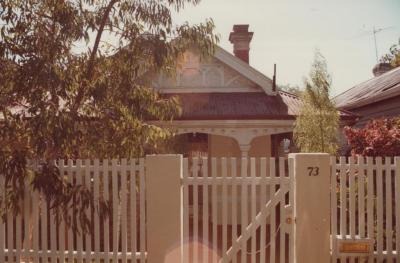
-
PHOTOGRAPH: UNKNOWN HOUSE SUBIACO, NATIONAL ESTATE SURVEY COLLECTION
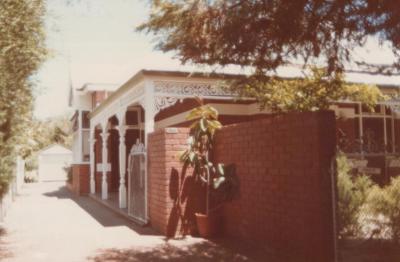
-
PHOTOGRAPH: UNKNOWN HOUSE SUBIACO, NATIONAL ESTATE SURVEY COLLECTION
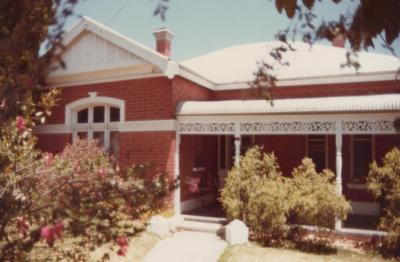
-
PHOTOGRAPH: UNKNOWN HOUSE SUBIACO, NATIONAL ESTATE SURVEY COLLECTION
-
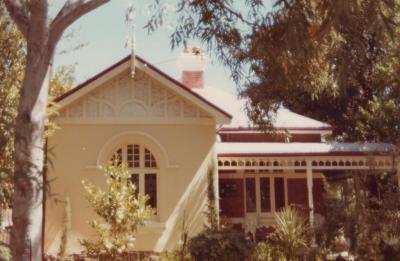
PHOTOGRAPH: UNKNOWN HOUSE SUBIACO, NATIONAL ESTATE SURVEY COLLECTION
-
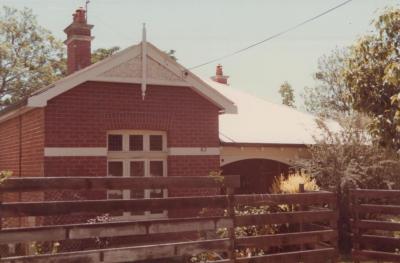
PHOTOGRAPH: UNKNOWN HOUSE SUBIACO, NATIONAL ESTATE SURVEY COLLECTION
-
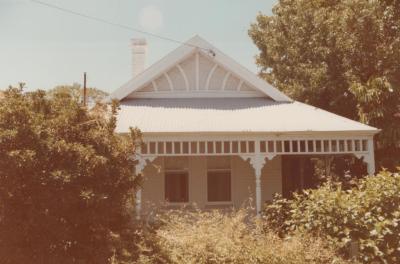
PHOTOGRAPH: UNKNOWN HOUSE SUBIACO, NATIONAL ESTATE SURVEY COLLECTION
-
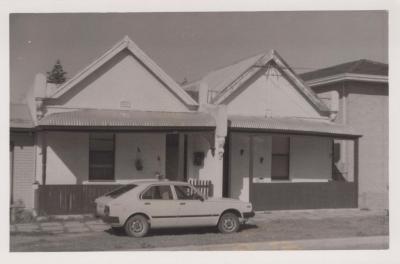
PHOTOGRAPH: UNKNOWN HOUSE SUBIACO, NATIONAL ESTATE SURVEY COLLECTION
-
PHOTOGRAPH: UNKNOWN HOUSE SUBIACO, NATIONAL ESTATE SURVEY COLLECTION