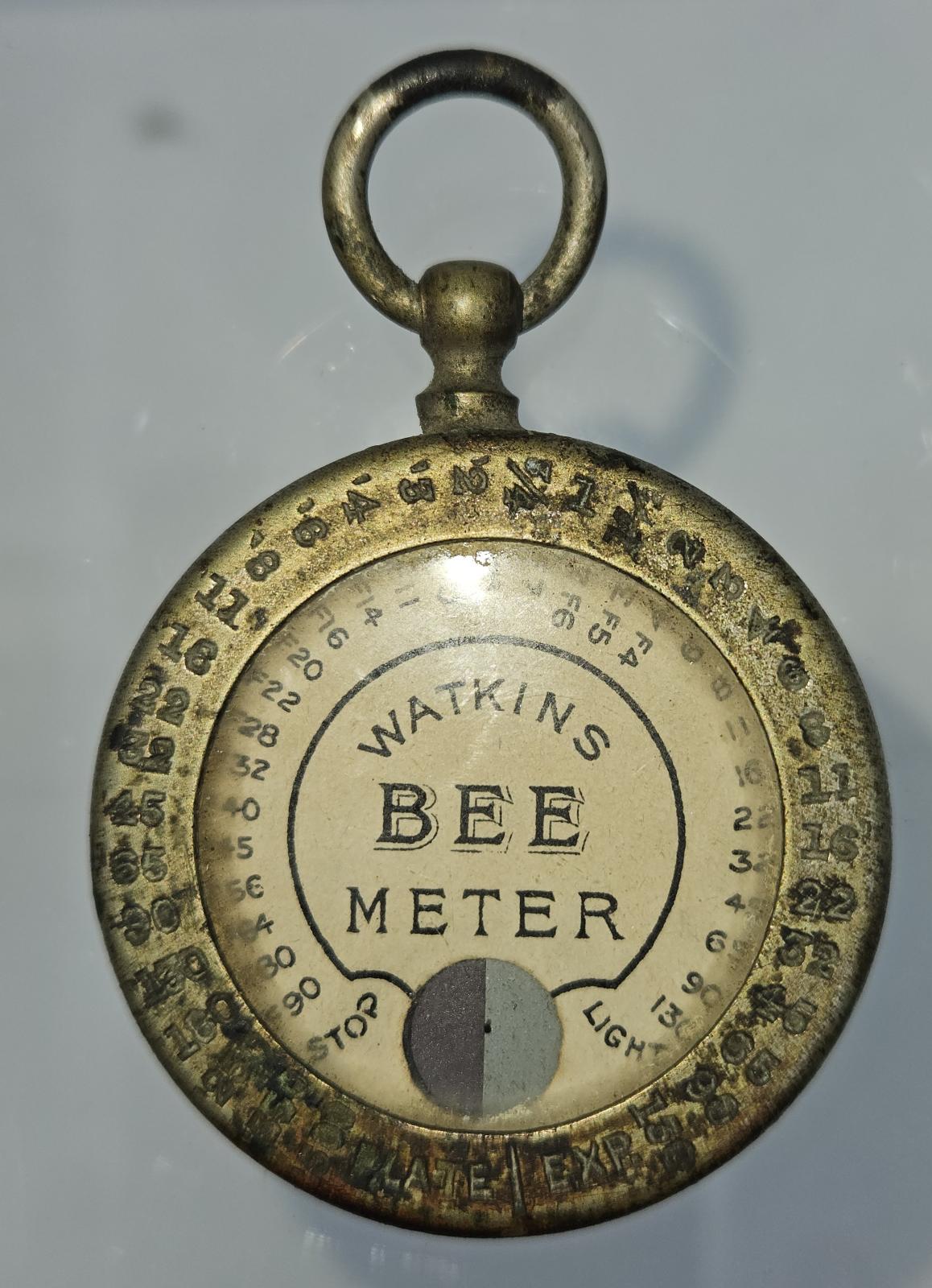
Bee Meter - Watkins
round metal object with a glass face and numbers - looks similar to the shape of a pocket watch
The Watkins Bee Meter was named for Alfred Watkins' interest in beekeeping, which was reflected in the design and functionality of the meter.
Details
Details
"Watkins Bee Meter"
Alfred Watkins, born in Hereford, invented the Bee Meter, which was patented in April 1890. This was the first light meter to measure the relative intensity of light through Watkins' invention of the actinometer and it allowed a numerical value to be assigned to light. The Bee Meter was a pocket calculator for determining exposure, so-called because it was small and highly efficient. It was manufactured in Friars Street, Hereford, in a building known as The Meter Works.
Reference: https://www.bbc.co.uk/ahistoryoftheworld/objects/J7gYX-1oR_-6ret4S32tVA
Other items from Busselton Historical Society
-
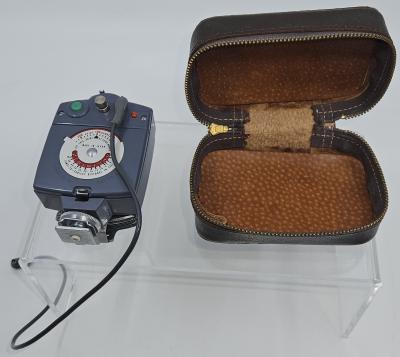
Ricoh Folding Camera Flash Unit
-
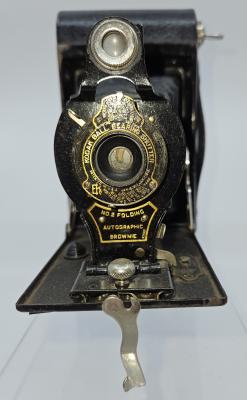
Camera - Kodak No.2 Autographic Folding Brownie
-
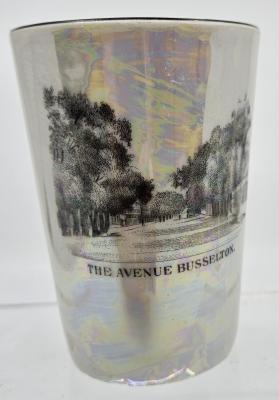
Souvenir Cup - The Avenue Busselton
-
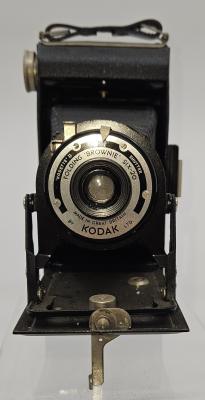
CAMERA - Kodak Folding 'Brownie' Six-20
-
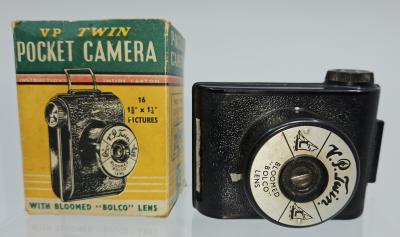
Camera - V.P.Twin Pocket camera
-
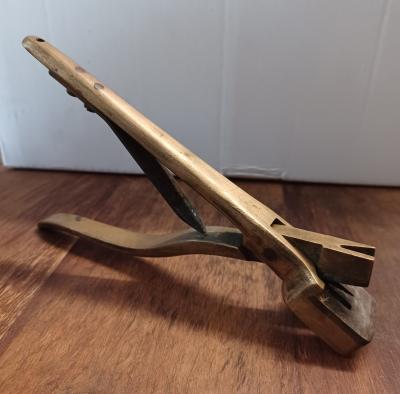
Tool - Ear Marking Pliers for sheep
-
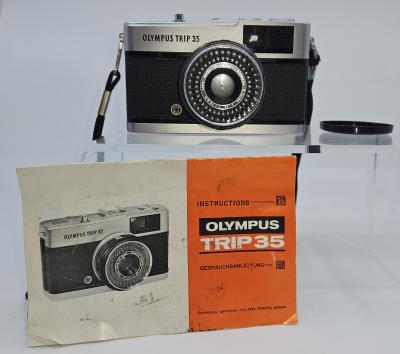
Camera - Olympus Trip 35
-
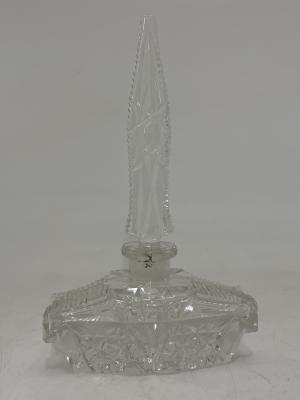
Cut Glass Perfume Bottle with Ornate Stopper
-
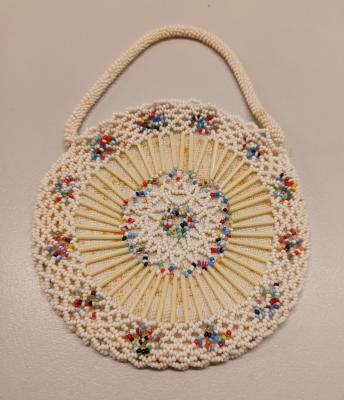
Evening Purse - beaded
-
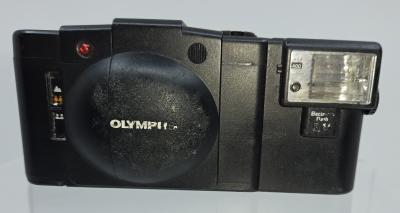
Camera - Olympus XA 2
-
Tool - Spokeshave
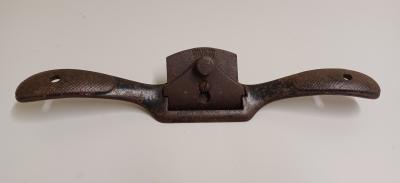
-
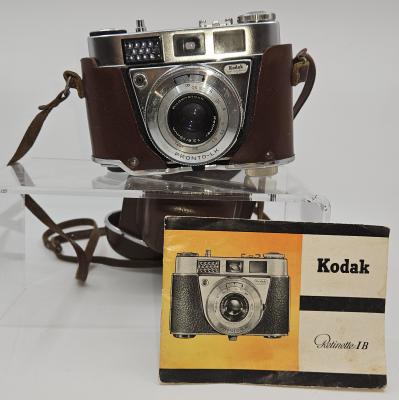
Camera - Kodak Retinette IB