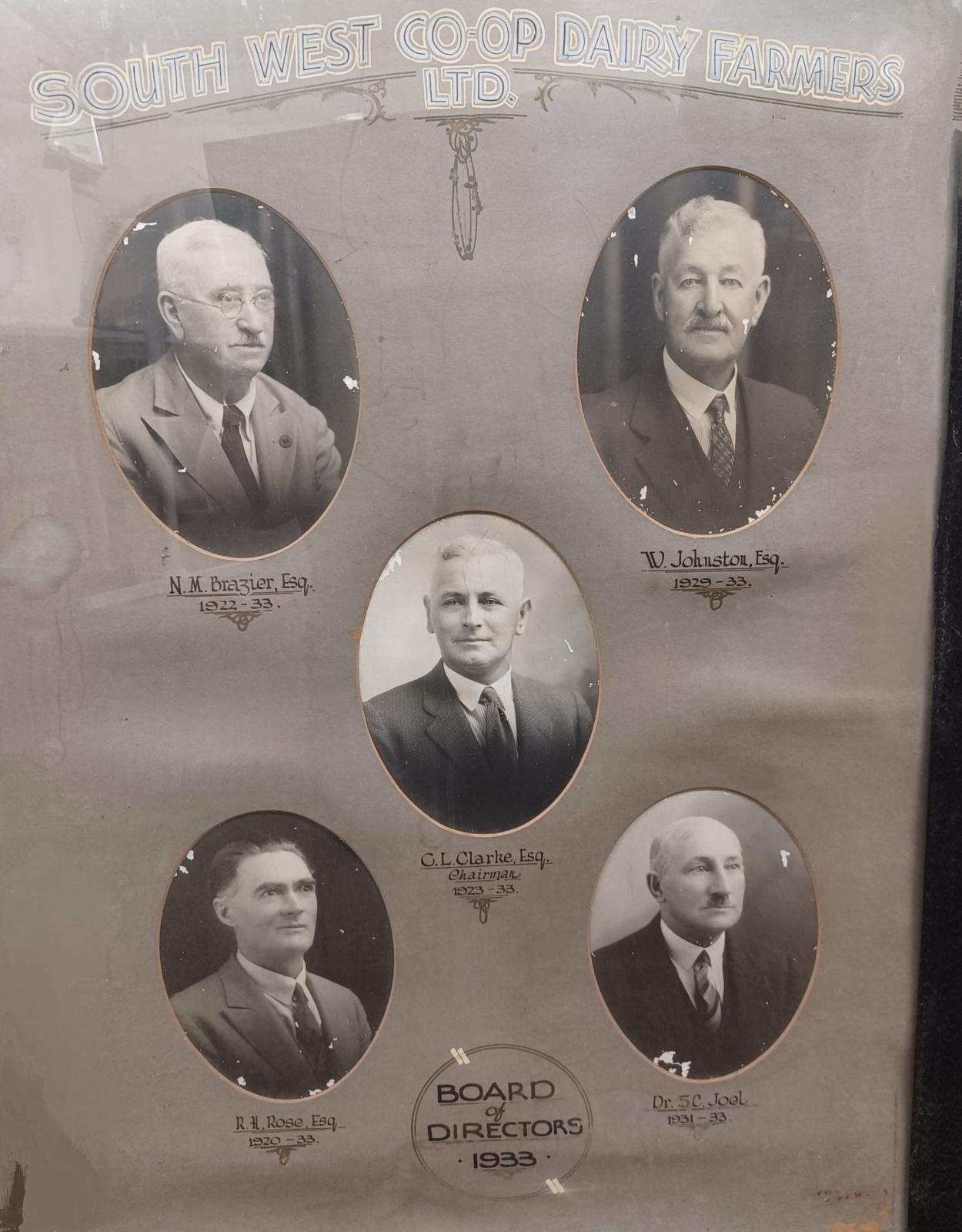
Framed Photograph - Board of Directors 1933 (South West Co-operative Dairy Farmers Ltd)
1933Black rectangular wooden frame with black and white photograph of five individual portraits of men (head & shoulders)
The Bunbury Butter Co. Ltd was originally formed in 1908 by Western Australian pioneers. Led by provisional chairman Hon. E. M. Clarke, M.L.C., and a dedicated group of directors, operations officially commenced on 1 May 1908. In its first year, a small group of 67 suppliers produced 52,929 lbs of commercial butter, returning £2,706 to local producers. Despite a minor initial financial loss, the company secured a profit in its second year and established a trajectory of continuous growth.
To reflect its growing footprint beyond Bunbury, the company eventually changed its name to the South West Co-operative Dairy Products Ltd. This rebrand highlighted a core mission to keep the dairy industry under the co-operative control of the local farmers, with a long-term plan to establish branch factories wherever cream supplies were abundant to support producers throughout the entire south-west region.
In 1926, the Co-operative purchased the Busselton Butter Factory from the government for £6,500.
Following the 1920s Group Settlement Scheme and the subsequent onset of the Great Depression, the local dairy industry faced massive financial crises. A Royal Commission into South West dairy farming was launched around this time to investigate manufacturing, administration, and cream transport costs.
In 1933, C.L. Clarke (serving since 1923), alongside veteran board members N. M. Brazier (since 1922) and R. H. Rose (since 1920), all stepped down from their roles, and the entity was renamed from South-West Co-operative Dairy Products Ltd to South-West Co-operative Dairy Farmers Ltd. This made way for fresh executive leadership and reinforced the active role of local primary producers as the direct shareholders and owners of the business. The cooperative extended its regional footprint by purchasing the Margaret River factory building. It was quickly rebranded to operate under the Co-op's "Sunny West" banner, providing vital butter-manufacturing and milk-handling services to the struggling dairy farmers established under the regional Group Settlement Scheme.
Details
Details
Southwest Co-op Dairy Farmers Ltd
Board of Directors 1933
NM Brazier ESQ (1922-33)
W Johnston ESQ (1929-33)
RH Rose ESQ (1920-1933)
GL Clarke ESQ, Chairman (1923-1933) (Should read C.L. Clarke)
Dr SC Joel (1931-1933)
Short profiles of those Directors pictured:
Noel Murray Brazier (1866–1947) - Lieutenant Colonel N.M. Brazier, Commanding Officer, C Squadron, 3rd Light Horse Brigade, 10th Light Horse Regiment, commanded the regiment at the Battle of the Nek on 7 August 1915. After returning from military service, Brazier lived at his property, "Capeldene," in Kirup, where he was heavily involved in local agriculture and horse breeding.
Charles Lionel Clarke (1883-1950) - C.L. Clarke was Commissioner of the Agricultural Bank (later the Rural & Industries Bank), whilst a prominent potato grower, with orchards, cattle and dairy at Burekup. He served as the Chairman of Directors and Managing Director of the South-West Co-operative Dairy Farmers Ltd. and spearheaded the company during an era of significant growth for the regional dairy industry, particularly during critical changes to dairy marketing laws in the mid-1930s.
William Dartnell Johnston (1870-1948) - W. D. Johnson MLA, was a prominent Western Australian politician and one of the architectural forces behind the expansion of WA’s rural co-operatives, including Westralian Farmers (Wesfarmers). As a former Minister for Agriculture and Lands, Johnston supported farmers working together, organised the sale of farm products, and introduced laws to protect local dairy and wheat farmers between the two World Wars and during the Great Depression.
Robert Henry Rose IV (1884–1965) - "Grassvale" was a prosperous farm built by R.H. (Harry) Rose, winning the prestigious Governor’s Cup four times at the Perth Royal Show with its champion livestock of pigs, cattle and sheep. Harry’s son, Forrest, took over the property after returning from World War II service and when his father retired. Harry Rose served as the long-time Chairman of Directors of the Co-operative. Under his leadership, it made major strategic moves to protect local farmers, including taking over and merging the Western Australian Condensed Milk Factory at Harvey in 1941, to ensure surplus profits were directly returned to the regional producers.
Dr Simon Crownson Joel (M.B., B.S.) (1874-1935) - Dr Joel was a prominent medical professional, health officer, and progressive agricultural figure in the South West region of Western Australia. Primarily known as Bunbury's long-serving Health Officer in the early 20th century, he also made substantial, lasting contributions to the local dairy industry. In addition to his corporate role, Dr. Joel was an active dairy producer. He owned a rural property in Capel, where he focused heavily on breeding high-quality, pedigree Jersey dairy cattle.
Other items from Busselton Historical Society
-
Framed Photograph - Lawn Bowls Team
-
Australian Red Cross Society - Busselton Unit
-
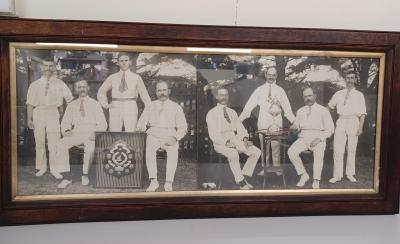
Framed Photograph - Busselton Lawn Bowls Team
-
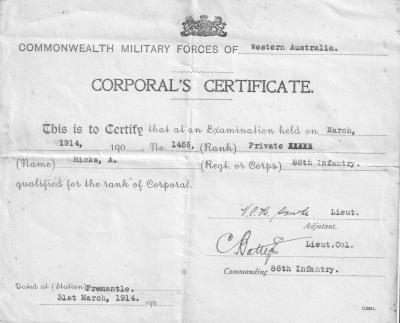
Corporal's Certificate - A J Hicks
-
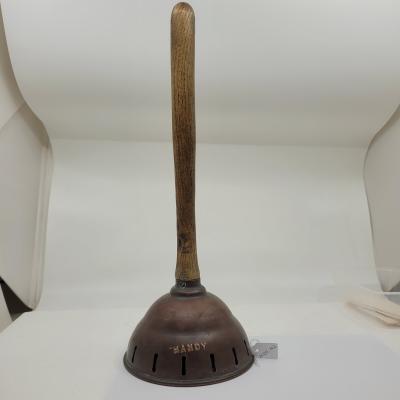
Washing Dolly
-
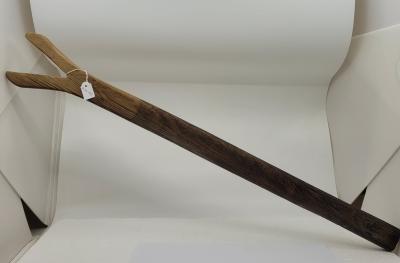
Copper Stick Collection
-
Framed Photograph - Busselton Lawn Bowls Team 1909
-
Framed Photograph - WA Carnival Football Team 1927
-
Sleeve Board Collection
-
ACTIL - "The Cotton Story" & Samples
-
Inner Wheel Club of Busselton
-
Laundry Shelf