

Birtwistle Local Studies Library
Sister Whitehead's Private Hospital
In 1924, Lillian Beatrice Whitehead contacted the Armadale-Kelmscott Road Board for assistance in establishing Sister Whitehead’s Private Hospital. The Road Board constructed the building in Church Avenue, providing five bedrooms, an operating theatre, a doctors’ consulting room, a large kitchen, a dining room, and an office for the matron. The hospital began admitting patients on the 16th of October 1928.
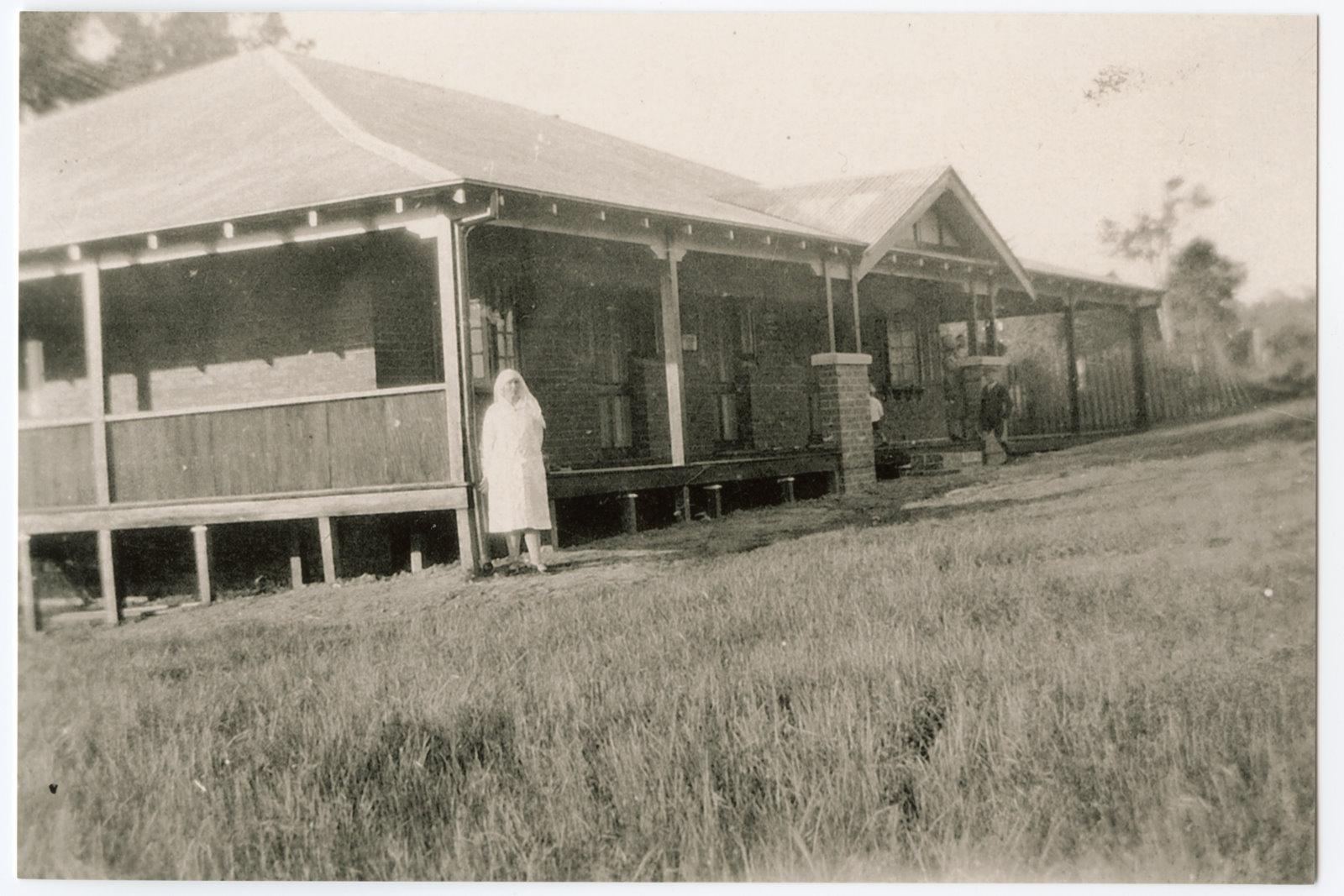
Sister Whitehead standing in front of the first Armadale Kelmscott Hospital, 1928.
Prior to the construction of the Hospital, the Armadale Church of England Manse was used to accommodate Sister Whitehead’s patients. The district was also home to several other small private hospitals, nursing homes, and maternity facilities.
While Whitehead served as matron of her hospital, she was not qualified to assist in births. She employed qualified midwife Annie Beadon to undertake deliveries. The first birth announcement associated with the hospital appeared in the West Australian on the 28th of April, publishing the birth of Betty Mavis Godfrey, daughter of Mr and Mrs H. S. Godfrey of Armadale.
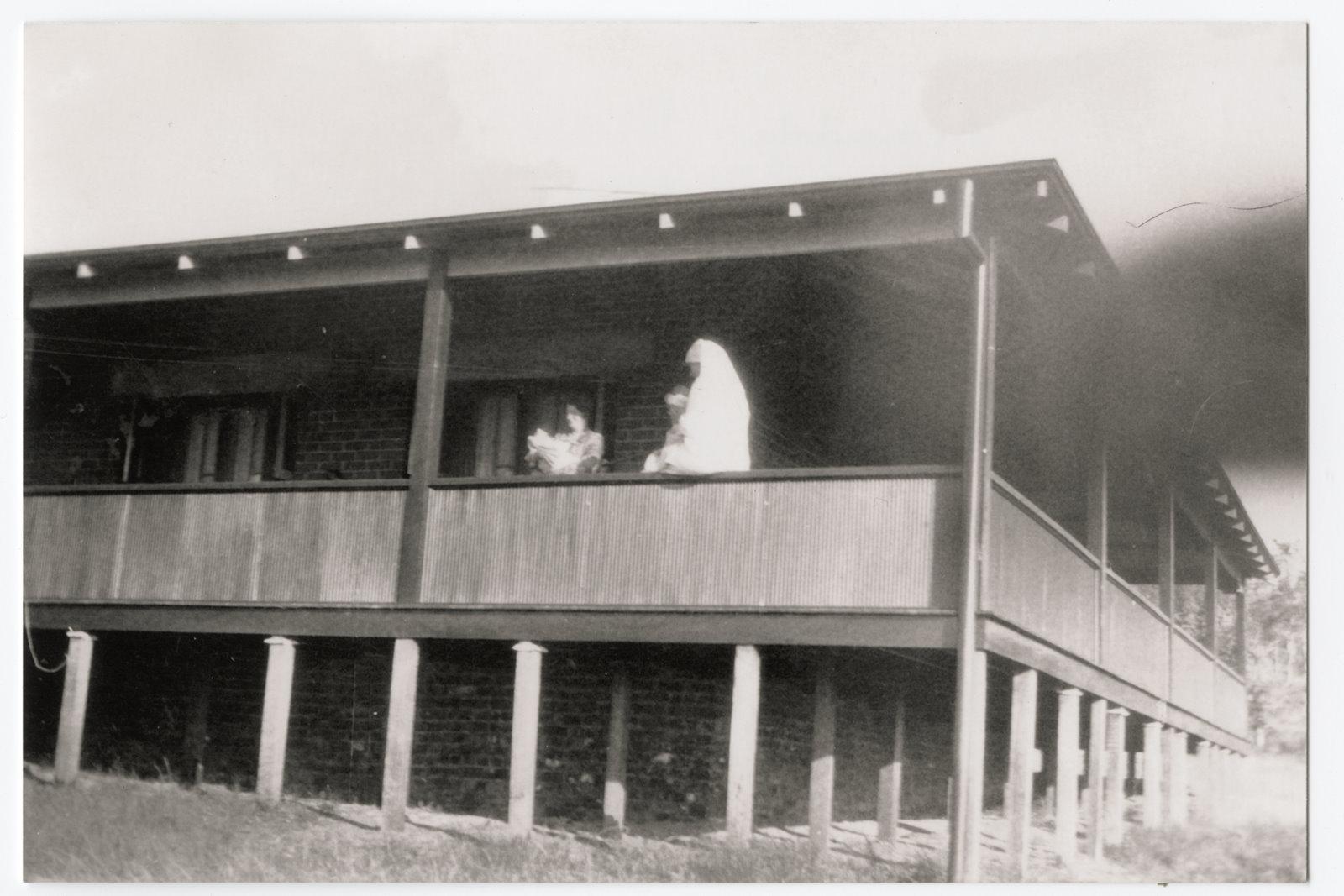
Sister Whitehead and Amy Saw holding Marion Saw, the first baby to be born at the hospital, 1928.
Throughout the years leading up to Whitehead's retirement, the hospital played a vital role in the healthcare for the district’s residents. By 1944, Whitehead's health had deteriorated significantly, and she wrote to the Road Board advising that she intended to place the hospital up for sale.
Armadale-Kelmscott District Memorial Hospital
At a public meeting held in February 1946, the Road Board resolved to purchase the hospital, which was then being operated by Sister Brady. The Board renamed the facility the Armadale-Kelmscott District Memorial Hospital in honour of those from the district who had lost their lives during the First and Second World Wars.
Management of the hospital was transferred to a Board of Management, with Gordon Devereaux serving as chairman. The Board assumed responsibility for the hospital's operation on the 10th of October 1946. The hospital was later expanded with the addition of a new wing, which included a modern operating theatre.
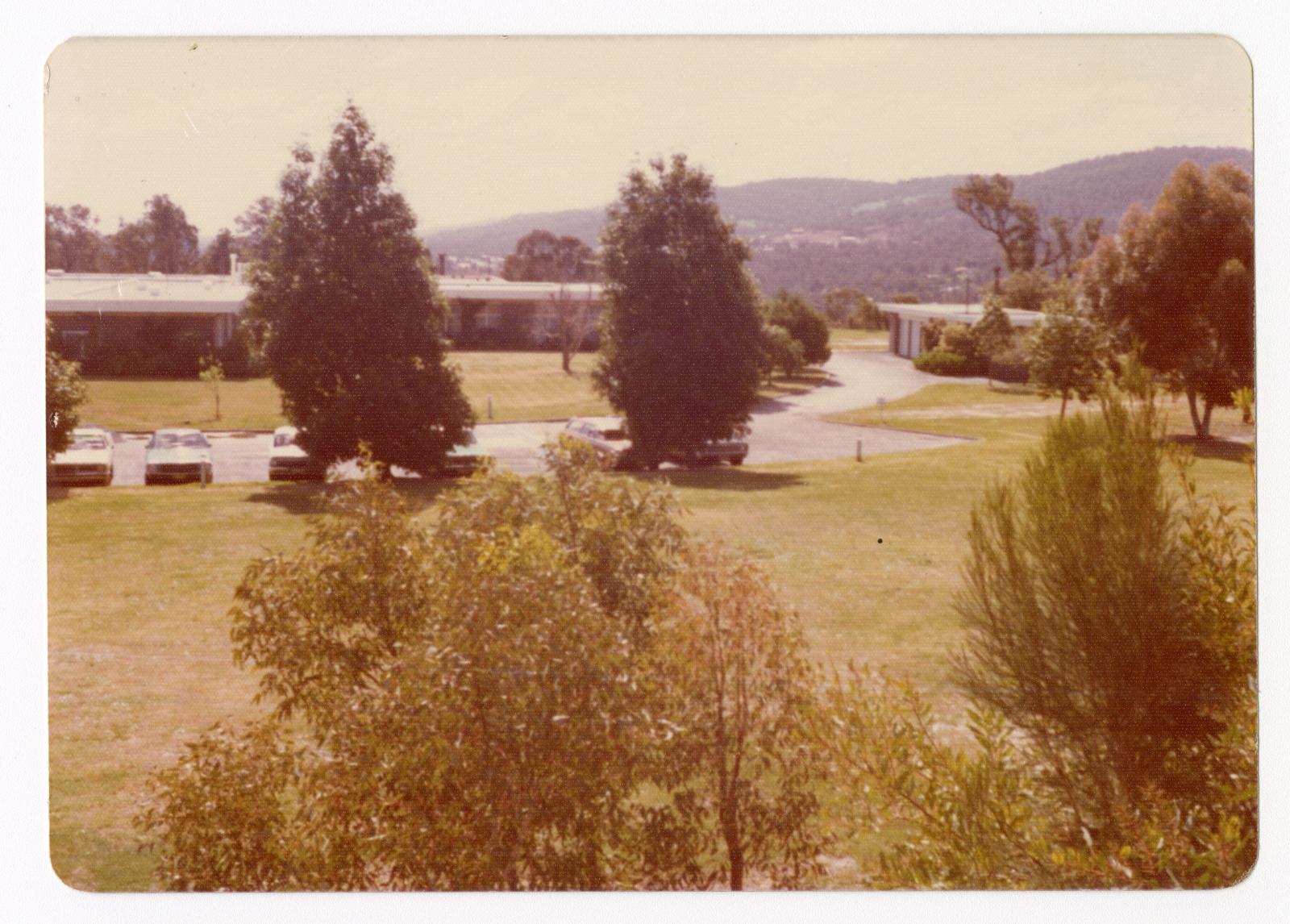
The Armadale-Kelmscott Memorial Hospital, 1975.
In 1948, an Act of Parliament declared Armadale Hospital a public hospital, providing access to additional government funding and resources. This support ultimately led to the construction of a new 36-bed hospital on Albany Highway, which opened in 1964.
The original Church Avenue site continued to provide maternity services until 1971, when a new 32-bed maternity wing was added to the Albany Highway hospital. Following its closure as a maternity facility, the old hospital was renamed to The Dorset Hostel and taken over by the State Disability Services Commission. This building was later demolished in 2011.
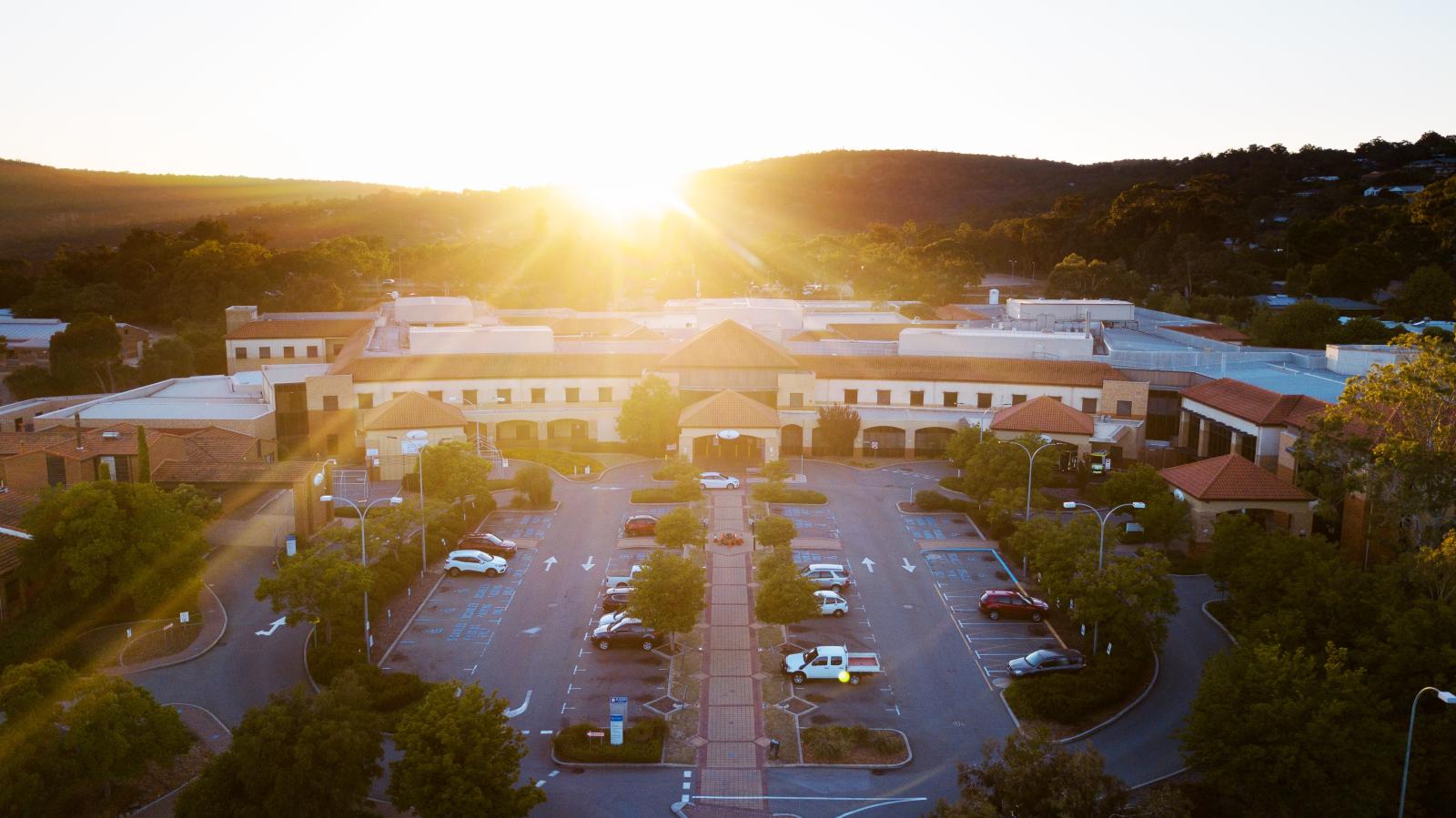
Photo by Callum Southam, first prize winner for the 2021 Focus Photographic Competition - Emergency Services.
Matron Olive Galliers
Olive Rose Galliers was born in Narrogin, Western Australia, the daughter of John Reece Galliers and Anna Louise Lockhart.
Olive grew up on her family's farm in Wickepin, where she and her siblings attended the local school. As there was no secondary school in the district, she completed several years of correspondence studies to pursue her ambition of becoming a nurse and, ultimately, the matron of the newly established Wickepin Hospital.
In 1939, Olive commenced her nursing training, undertaking a three-year course before continuing her studies at King Edward Memorial Hospital for Women in Subiaco. There, she completed a nine-month midwifery course and a four-month child welfare course, qualifying as a Triple-Certificated Sister.
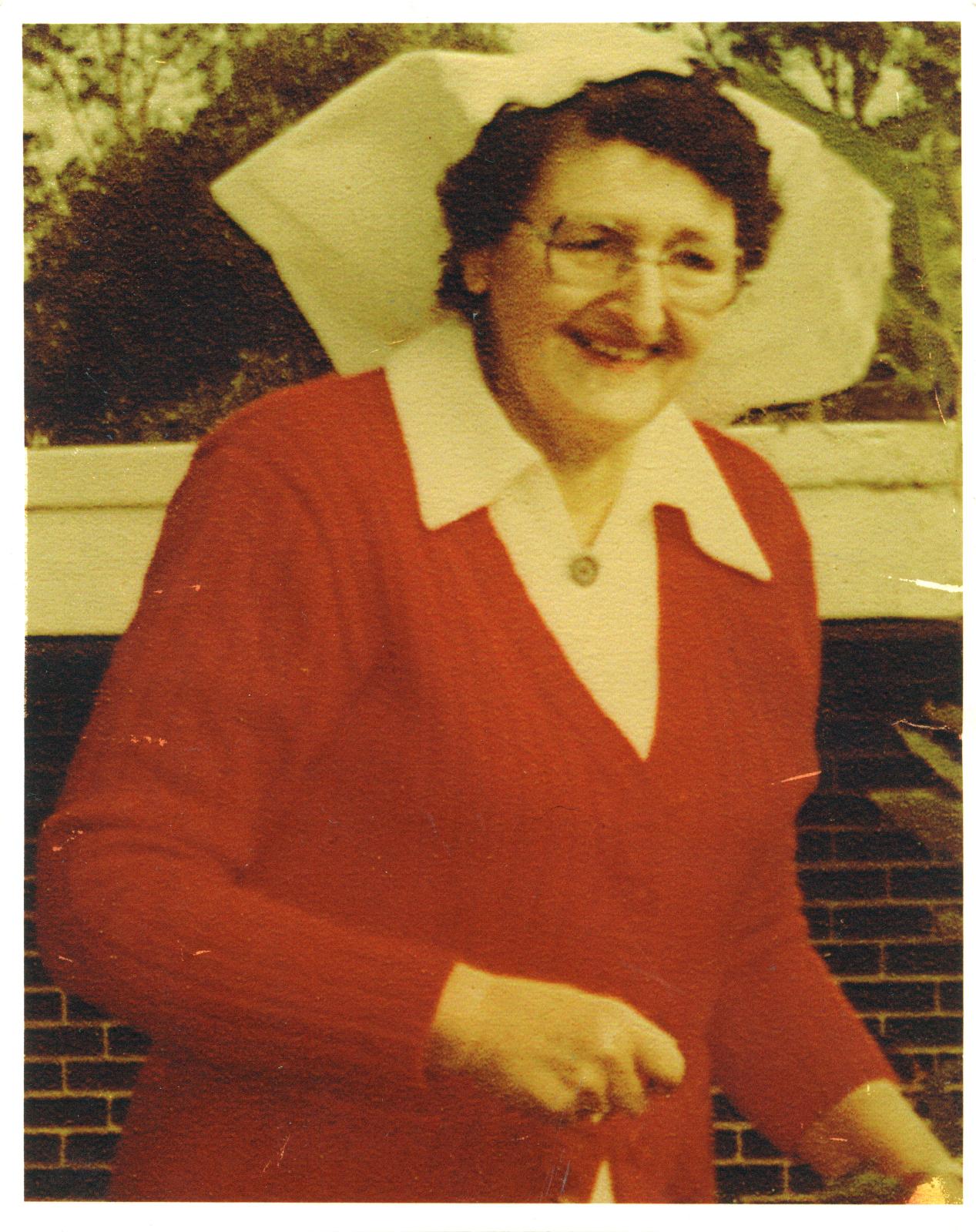
Olive Galliers dressed in a nurse's uniform with a nursing registration pin at the neck of her uniform, date unknown.
On the 18th of February 1958, Olive was appointed Matron of Armadale-Kelmscott District Memorial Hospital, a position she held for 26 years. During her tenure, she oversaw a period of significant growth and development in local healthcare services.
In recognition of her dedicated service, Olive was appointed a Member of the Order of the British Empire (MBE) in July 1969 for her contributions as Matron of the Armadale-Kelmscott District Memorial Hospital.
Olive Rose Galliers passed away on 8 March 2010 at an aged care facility in Bentley, leaving a lasting legacy in Western Australian healthcare.
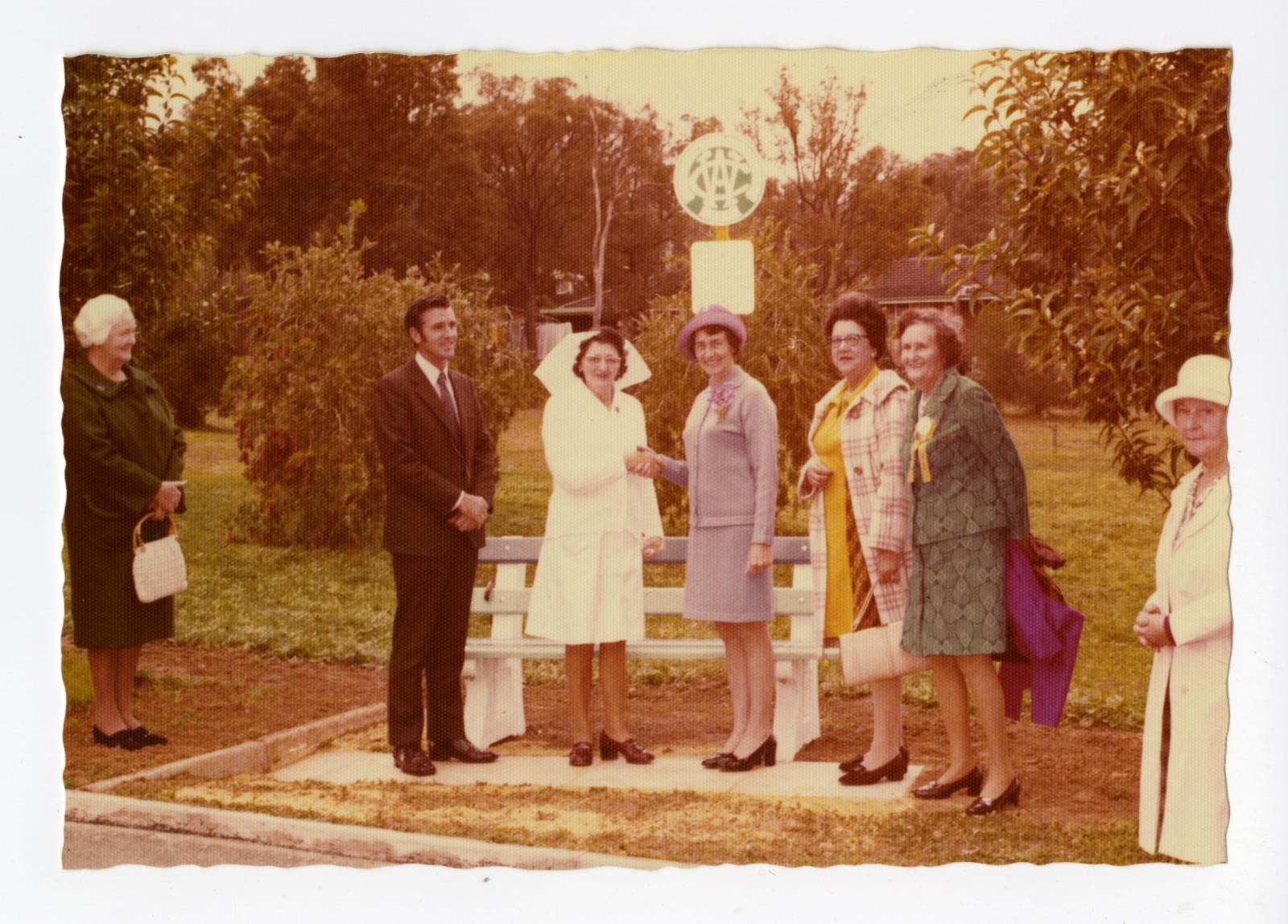
Matron Galliers standing in front of the outdoor seat donated by the Country Women's Association, 1974.
Doctor Carl Streich
In the 1930s, the effects of the Great Depression were mixed in the Armadale district, and the Armadale-Kelmscott Road Board introduced several initiatives aimed at improving public health. Among these was a district-wide campaign to administer diphtheria immunisations to all local children, as well as adults considered to be at risk of contracting the disease.
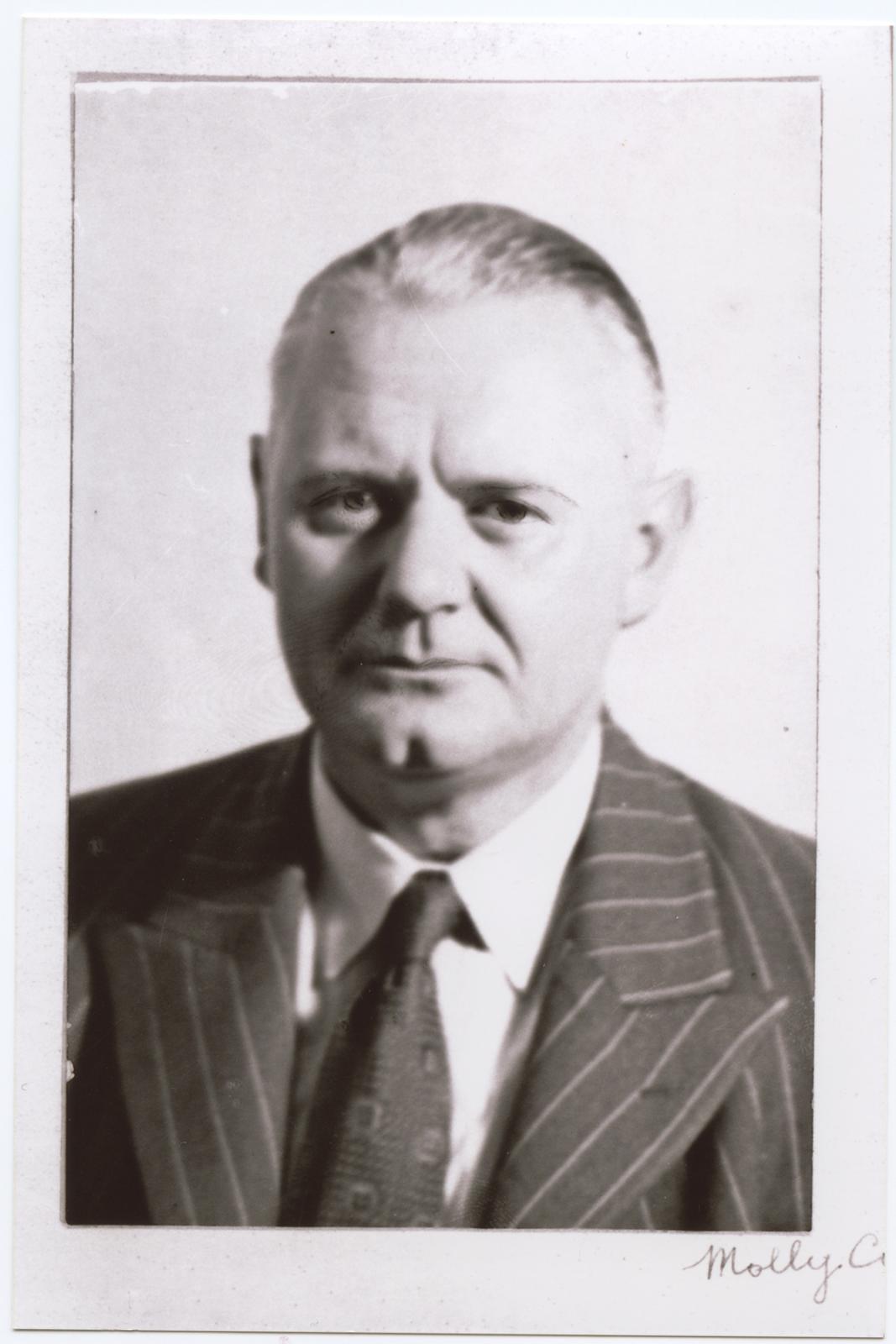
Dr. Carl Streich, date unknown.
As early as 1937, Dr Carl Streich urged the Board to establish an immunisation program to protect the district’s 900 children, confidently stating that he could immunise up to 40 children per hour, with the support of health inspector Leslie Millen.
Within a month, all 700 school-aged children in the district had been contacted and 530 consent forms distributed. The immunisation clinic concluded for the year in July, having successfully inoculated 690 children from nine primary schools across Armadale, Roleystone, Byford, Westfield, Karragullen, Bedfordale, Oakford and Canning Dam. Streich and Millen continued immunisation clinics for several more years.
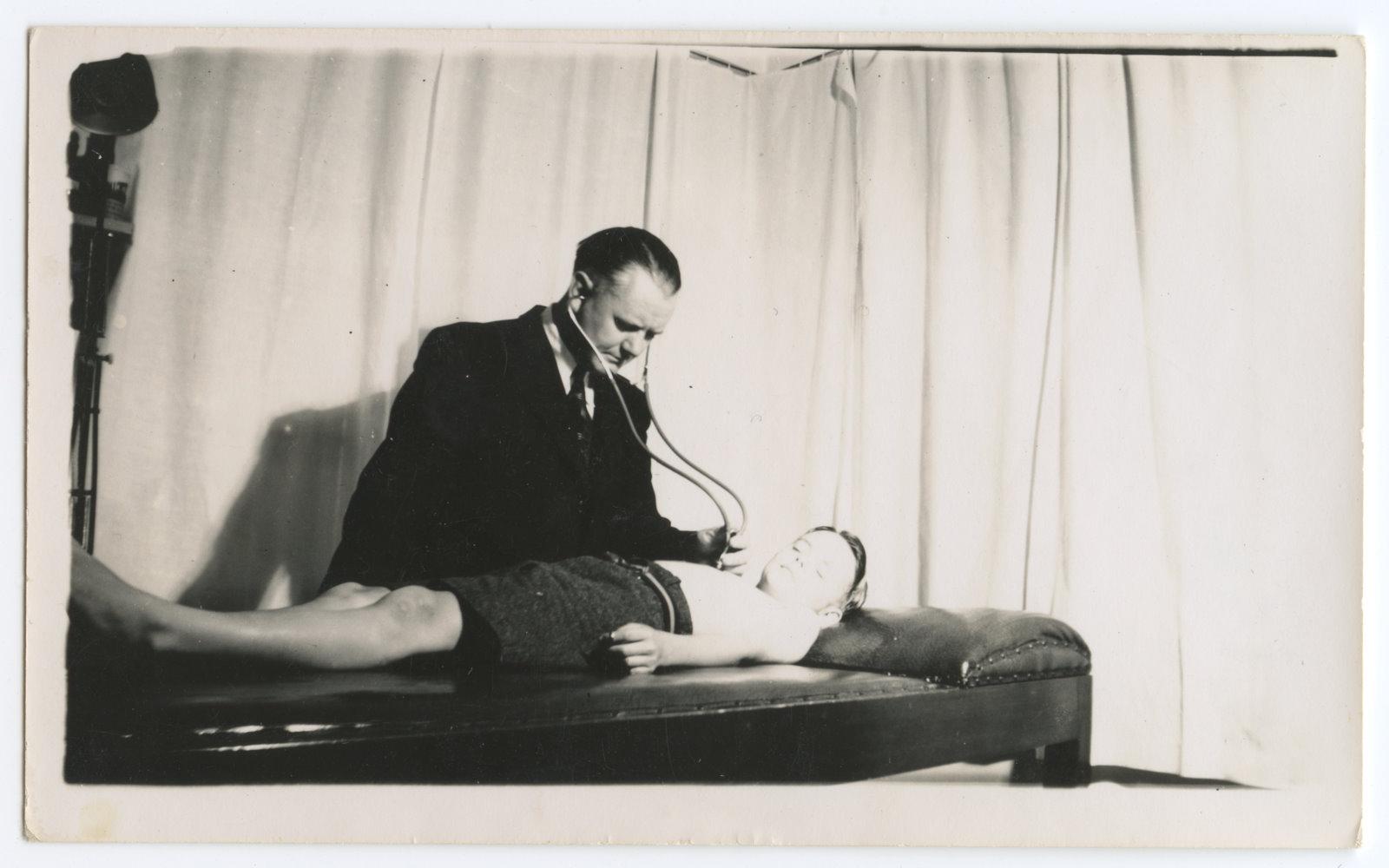
Dr Carl Streich using a stethoscope to examine a young boy, date unknown.
Through the efforts of local doctors, nurses, and the Armadale-Kelmscott Road board, healthcare in the Armadale district became increasingly accessible. Their commitment to public health laid the foundations for the healthcare that residents rely on today.