
Peter Ridgway
An Introduction to the History of Women in Full-bore Target Shooting in WA
Women have been involved in our sport for more than 125 years but apart from isolated examples, their active participation in competitive fullbore rifle shooting only took off from the late 1960s in WA. Before then participation in club shooting was usually confined to "miniature range rifle shooting” using smallbore calibre rifles.
The history is a little different in other States. In 1891 women participated for the first time in a competition at Tarampa, Queensland, using ‘heavy’ [fullbore] rifles over 200 and 300 yard ranges; two of the younger women were described as "handling their rifles as steadily as the men, and they bid fair to make as good shots as their brothers". In 1901 the QRA held the first full-bore Ladies Matches in Australia. Lizzie Savage was the winner of Ladies Matches in 1901, 1902 and 1903. Lizzie Savage was also the first female member of the Queensland Rifle Association.
In WA, the first recorded participation by women in fullbore shooting was a one-off event by the Beverley Ladies Rifle Club in October 1902.[i] At the end of their first shooting day using smallbore rifles, two women tried “the big Martini rifle and it didn't hurt either of us a bit, and it makes such a noise.” A number of Ladies Rifle Clubs using smallbore rifles were established particularly in the goldfields. This form of range shooting was known as “miniature range shooting”.
Alas for women keen to take up our sport, in May 1934, the Army’s Rifle Clubs Office issued a circular outlining the rights and privileges of honorary members, and in doing so noted that women were not active members. This seems to have been based on the then ban on women becoming fighting soldiers in the Army. It should be noted that rifle club movement was then governed and funded by the Army on the basis that club members formed a civilian defence reserve. Later that year, the Victorian Rifle Association banned women competing in State prize meetings. While not a unanimous decision, the national committee members (all men) voted to confirm this ban for all of Australia.
Fortunately, the ban was eventually lifted after World War 2 paving the way for Queens/King’s champions including Libby Felton (the first woman to win a Queen’s Prize in Australia), Janet Wagland, Pat Gall (from Diamond Valley Rifle Club, Victoria), Cathy Cottrell and Jessie Craigie. We also note that Bea Wright was the first woman selected for the WA State Team and an early if not the first WA woman to compete at Bisley in the UK.
The WARA Museum has constructed a display to celebrate women in fullbore target shooting in WA.
[i] West Australian, Saturday 11 October 1902, page 10
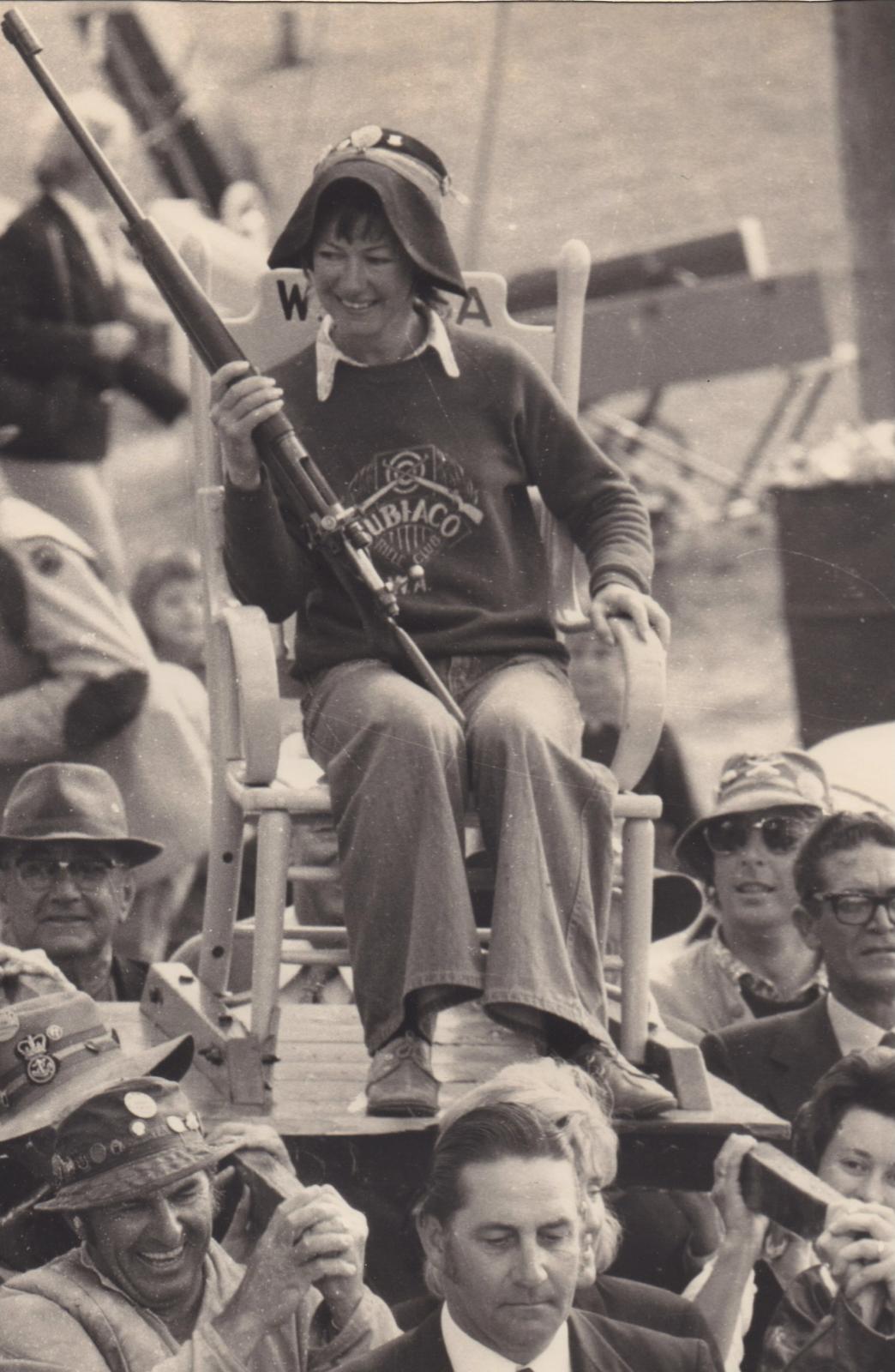
Libby Felton, first female Queen’s Prize Winner in Australia (WA Queen’s Prize 1974) and possibly only the second in the Commonwealth of Nations. The Queen’s Prize is the ultimate competition to be won in each State. Libby also went on to win the Queensland Queen’s Prize in 1975.
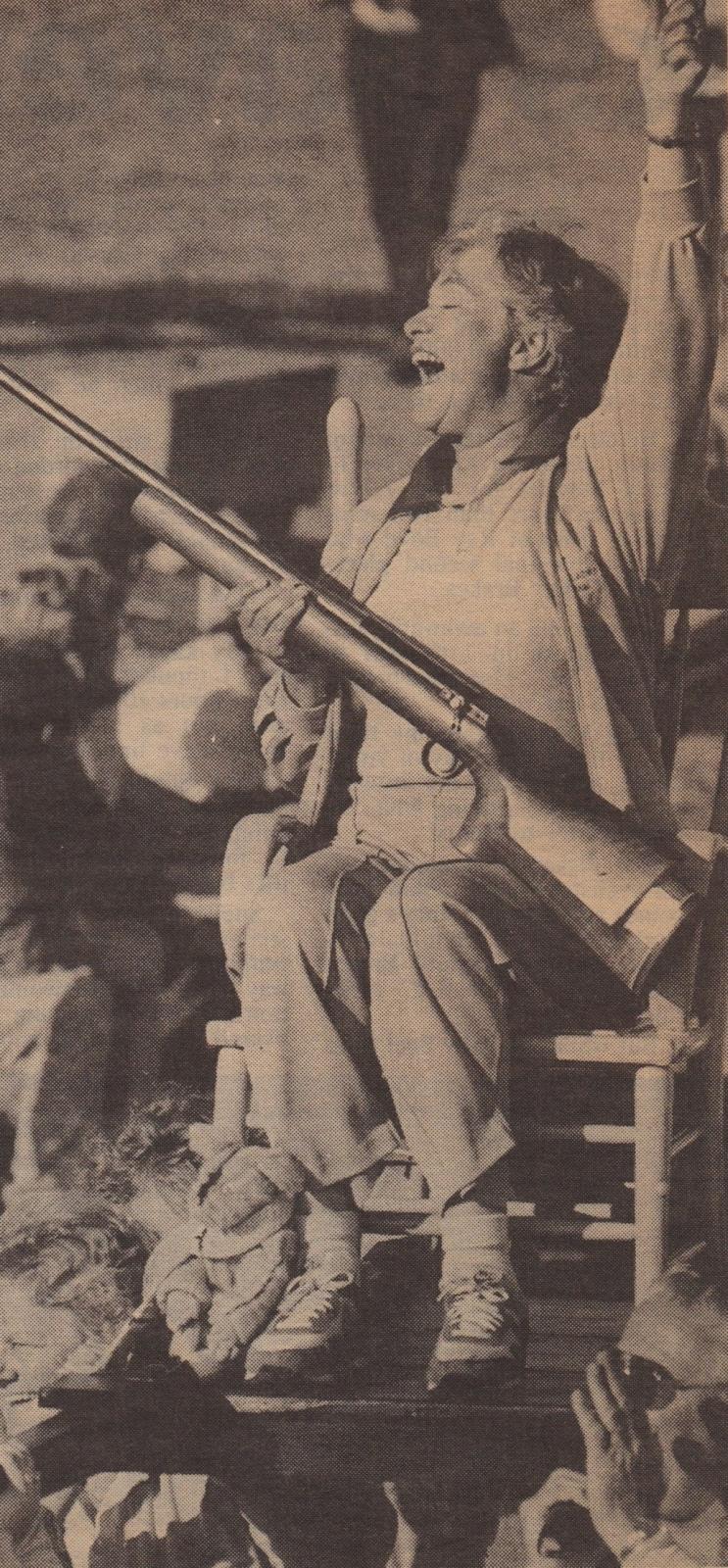
Pat Gall, Diamond Valley Rifle Club Victoria, won the TR Class WA Queen’s Prize in 1990. Her win was also notable because she did not obtain a first placing in any of the individual matches that make up the competition.
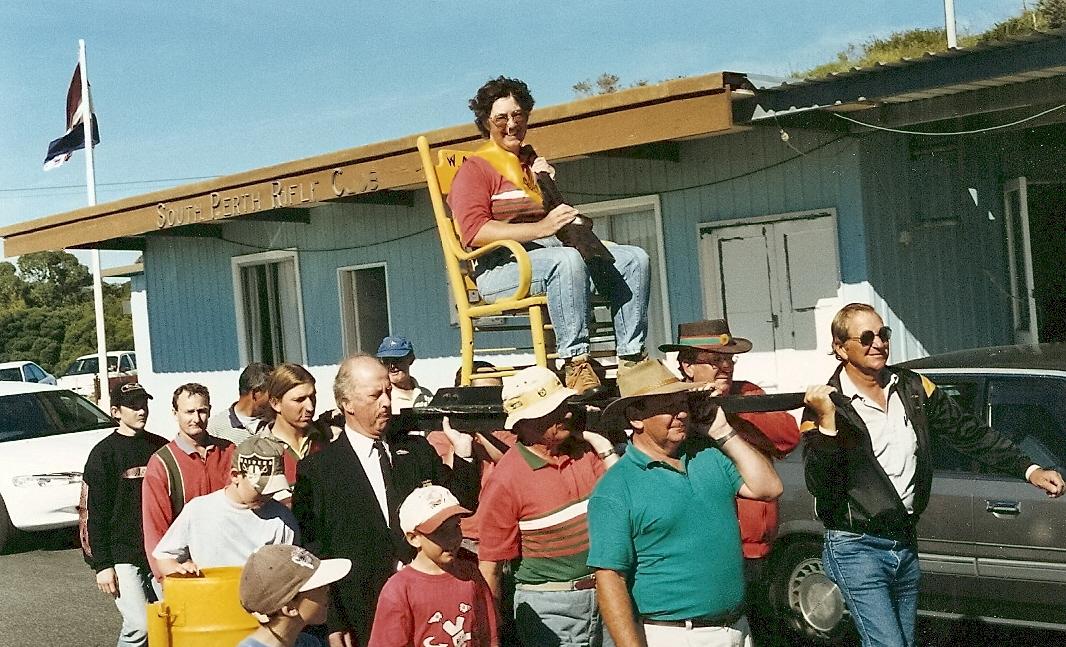
Janet Wagland won the TR Class Queen’s Prize in 1997. She entered the sport as a 13 year old under the mentorship of her grandfather. Janet has represented Australia in competitions overseas.
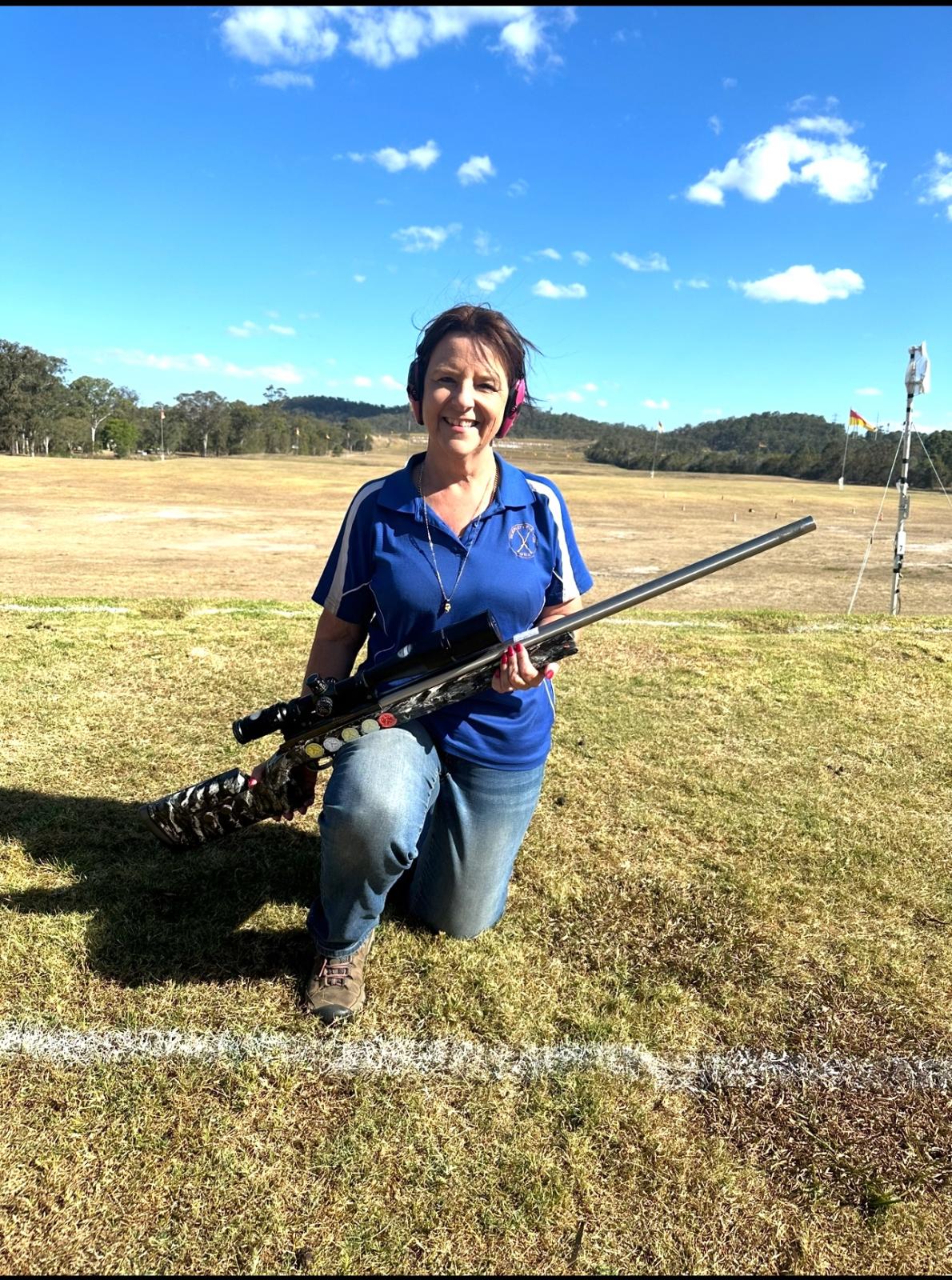
Cathy Cottrell (Keogh) won the F Class Standard Class Grand Aggregate in 2017 and the Queen’s Prize in 2020
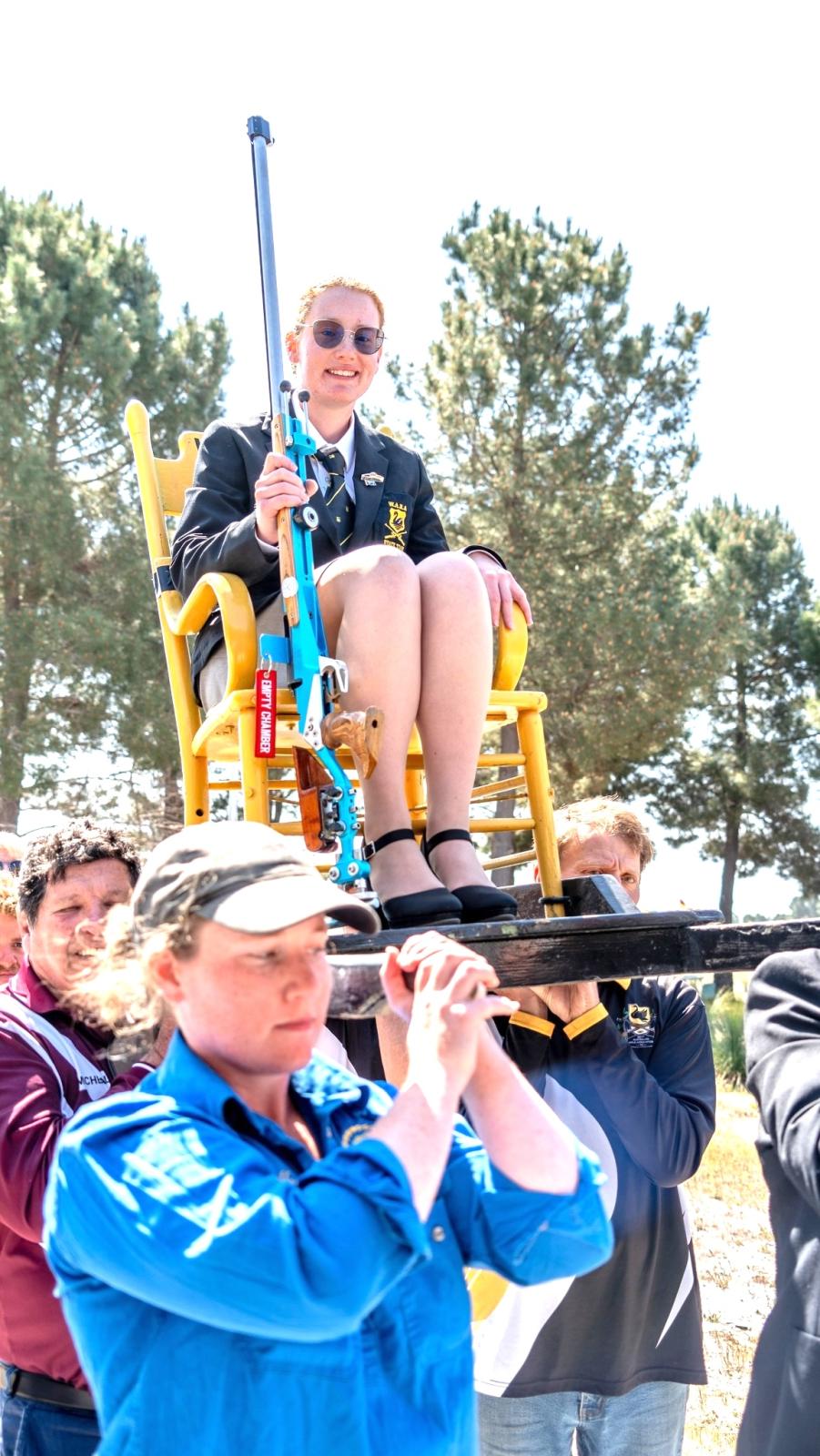
Jessie Craigie won the TR class King’s Prize and Under 25 competitions in 2024. Jessie at 22 years was the youngest woman to win a Queen’s Prize in WA.