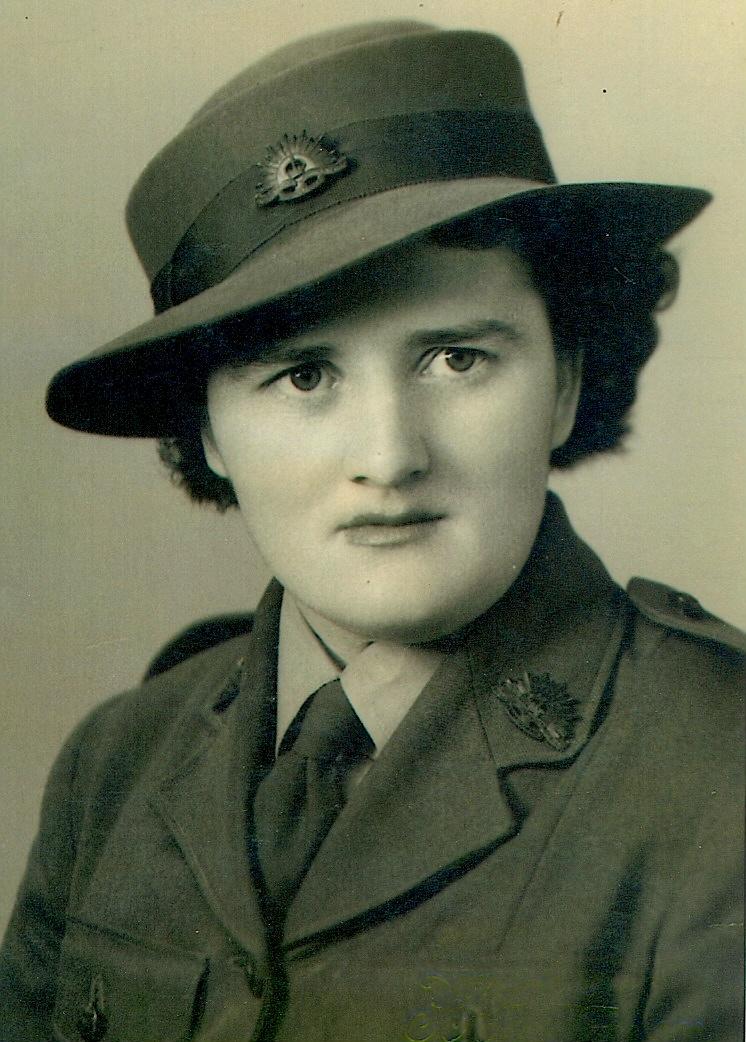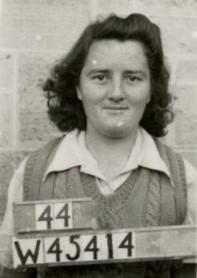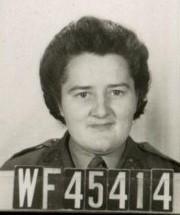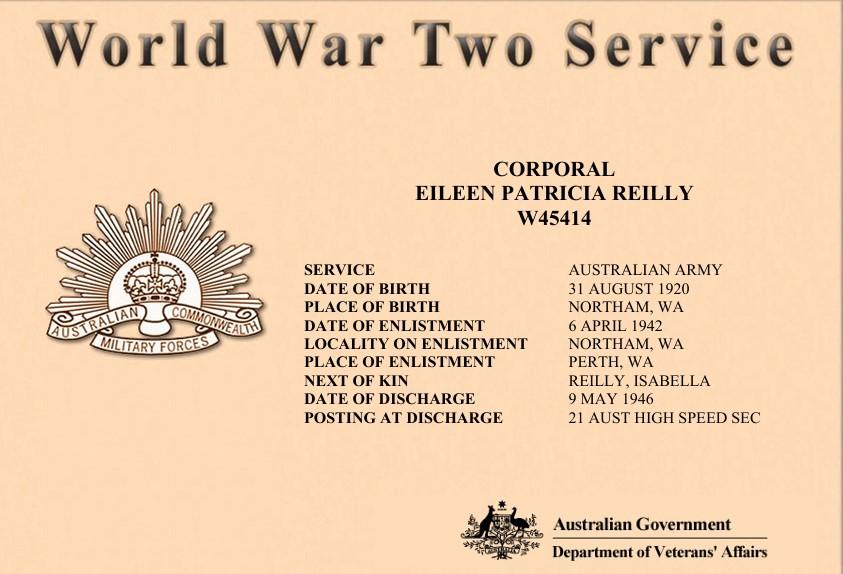
World War 2, Western Australia, W45414 REILLY,Australian Wpmen's Army Service, 1944
1941 - 1946Studio portrait of W454124 Corporal Eileen Patricia REILLY Airfield Construction Squadron
Australian women were aware, well before Government and Defence, that their services would be needed to support a total war effort. Women in Australia joined groups as diverse as the Australian Red Cross Letters Association, the Australian Comforts Fund, the Women’s Air Training Corps, and the Women’s Emergency Signallers. The Women’s Australian National Service (WANS) was inaugurated in 1940. For training which included air raid drills, first aid, basic military drills, weapons handling, signalling, and mechanics. The WANS convincingly demonstrated that women were capable of filling roles traditionally restricted to men. With this example and the growing military threat of Japan, the government approved the formation of the Australian Women’s Army Service (AWAS) on 13 August 1941 to release more men into forward areas. Members of the AWAS took on roles such as drivers, provosts, canteen workers, cooks, typists, signallers, and cipher clerks. Lieutenant Colonel Sybil Howy Irving was appointed as Controller of the AWAS in October 1941. Irving came from a military family and had extensive experience with the Girl Guides and the Red Cross. She was responsible for the selection of assistant controllers and other officers, who were chosen from the ranks of women considered outstanding in their own field or in the community. The first Officer’s Training School was held at the Guide House at Yarra Junction in November 1941. These 28 officers then set about recruiting more women, with the AWAS eventually enlisting 24,026 members. These women were the first to serve in the Australian Defence Forces outside of the medical/nursing field. . Over 3,000 AWAS members helped defend Australia by manning the Fixed Defence units. A total of 385 AWAS members served in New Guinea. After the war ended the AWAS was no longer required. Colonel Irving resigned on 31 December 1946, and the AWAS was demobilised by 30 June 1947. This Sub Collection is intended to act as a wayfinder to facilitate access to the stories of servicewomen in World War 2. The threads of these stories are introduced in the Gallery Exhibits at the Australian Army Museum of Western Australia. The depth of the stories however is found in the Archives through diaries, letters, photographs, ephemera, oral histories and digital media. Access for private research is fee free and can be arranged through either the Curator or Museum Administration.
Details
Details
P1900.3098
AHMS IRN 29382
Australian Army Museum of Western Australia
Australian Army Museum of Western Australia
Other items from Australian Army Museum of Western Australia
-
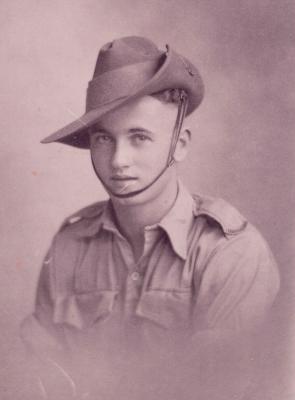
World War 2, Western Australia. WX10456 GILLAM, 7th Division Signals
-
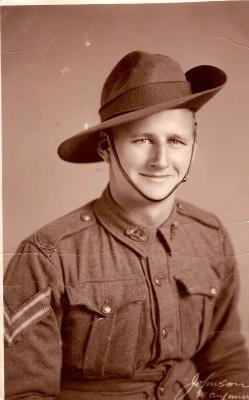
World War 2, Western Australia, WX12846 YOUNG, 2/11 Battalion
-
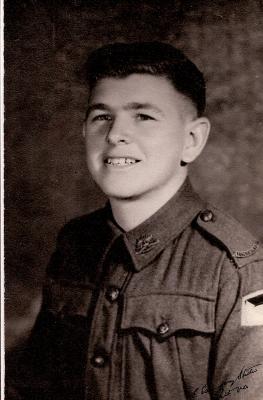
World War 2, Western Australia, McLAUREN, 10 Armoured Regiment
-
World War 2, Western Australia, MORLEY, 2/3 Field Regiment
-
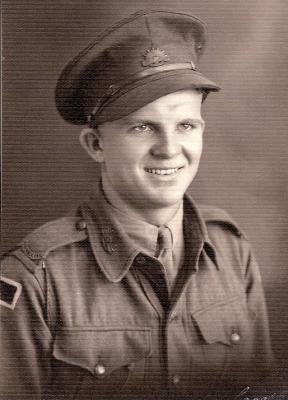
World War 2, Western Australia, WX12846, YOUNG, 2/28 Battalion
-
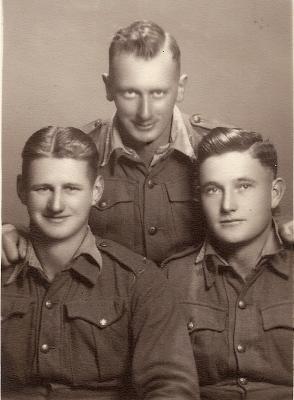
World War 2, Western Australia, TOMPKINS, 2/28th Battalion
-
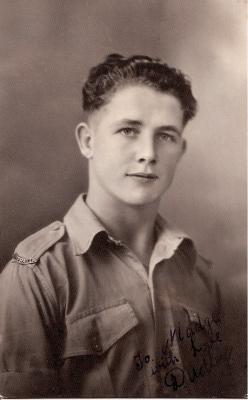
World War 2, Australia, WX12474 MCBRIDE, 2/3 Machine Gun Battalion
-
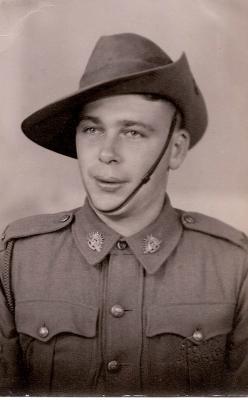
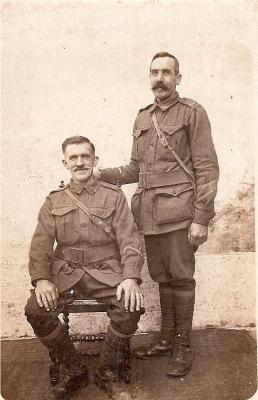
World War 1, France
-
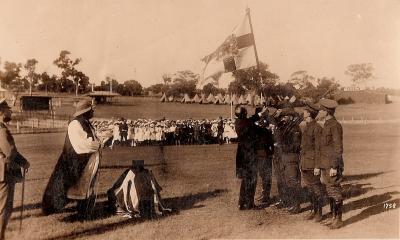
World War 1, Western Australia, Claremont, Colour Presentation, 44th Battalion
-
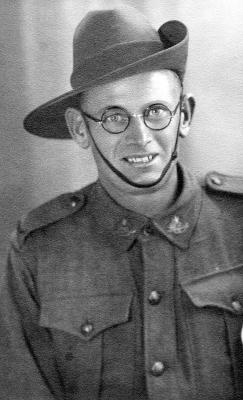
World War 2, Western Austrarlia GOLDEN, 2/4 Machine Gun Battalion
-
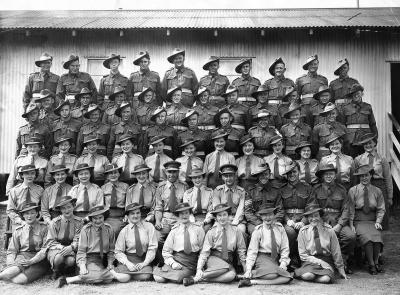
World War 2, Western Australia, Fremantle, Mixed Heavy Battery
-
World War 2, Lebanon, Beirut RUTTER, BANT, 2/16 Battalion