
World War 1, France, Gold Watch Sporting Award, 4th Division Australian Imperial Force, 1261 SCHRYVER, DCM, MM Australian Army Medical Corps, 2 Stationary Hospital
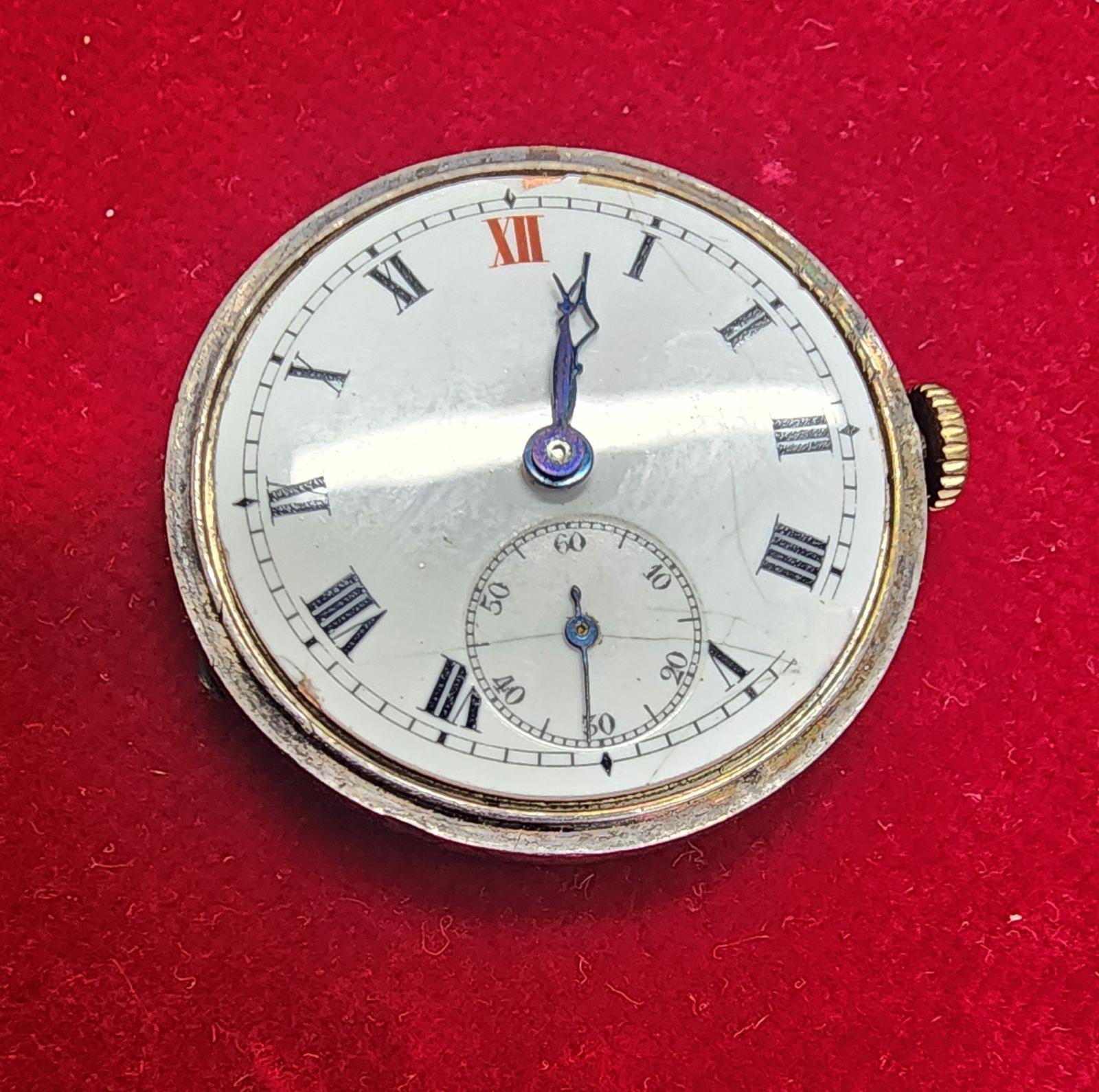
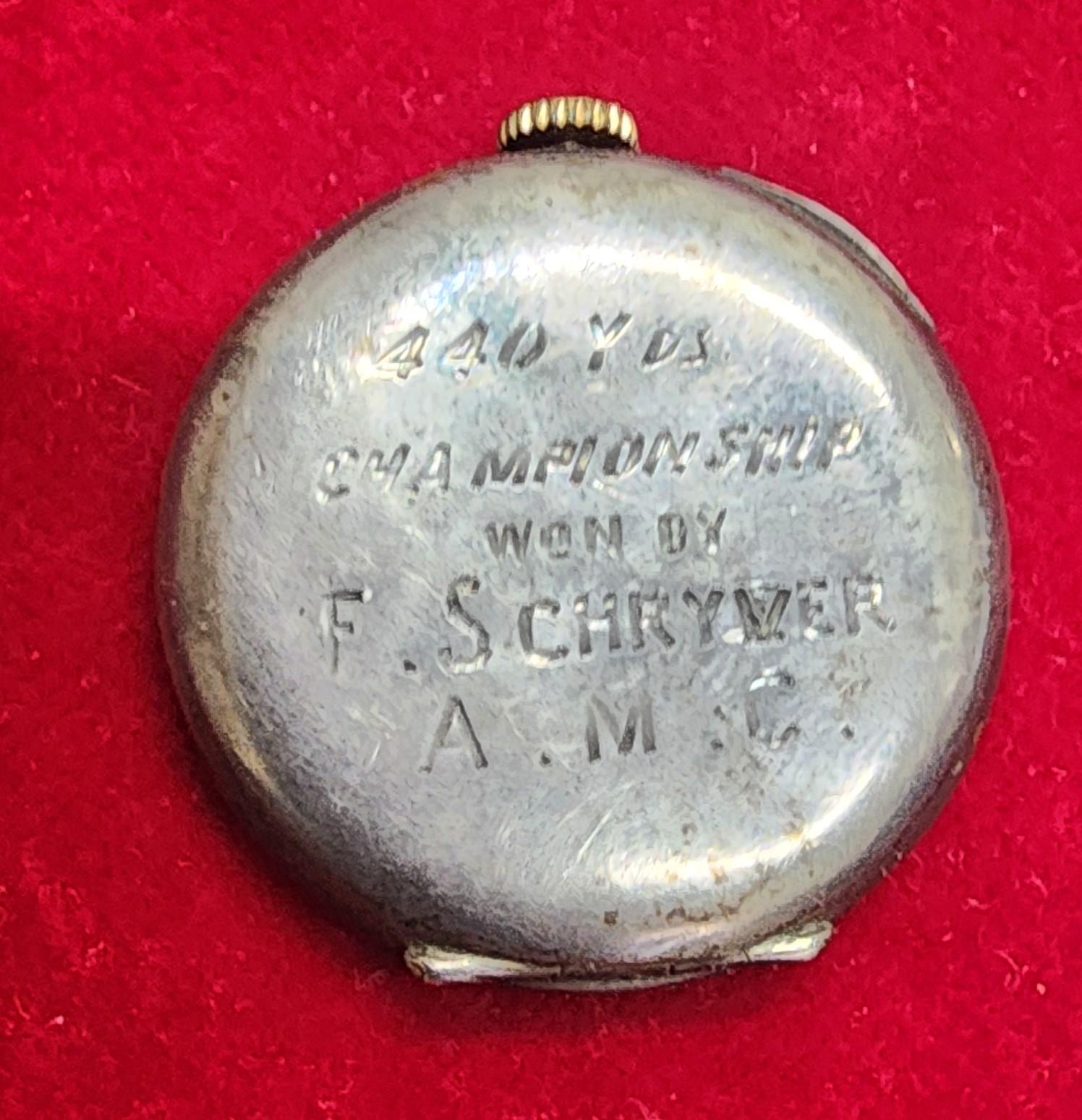
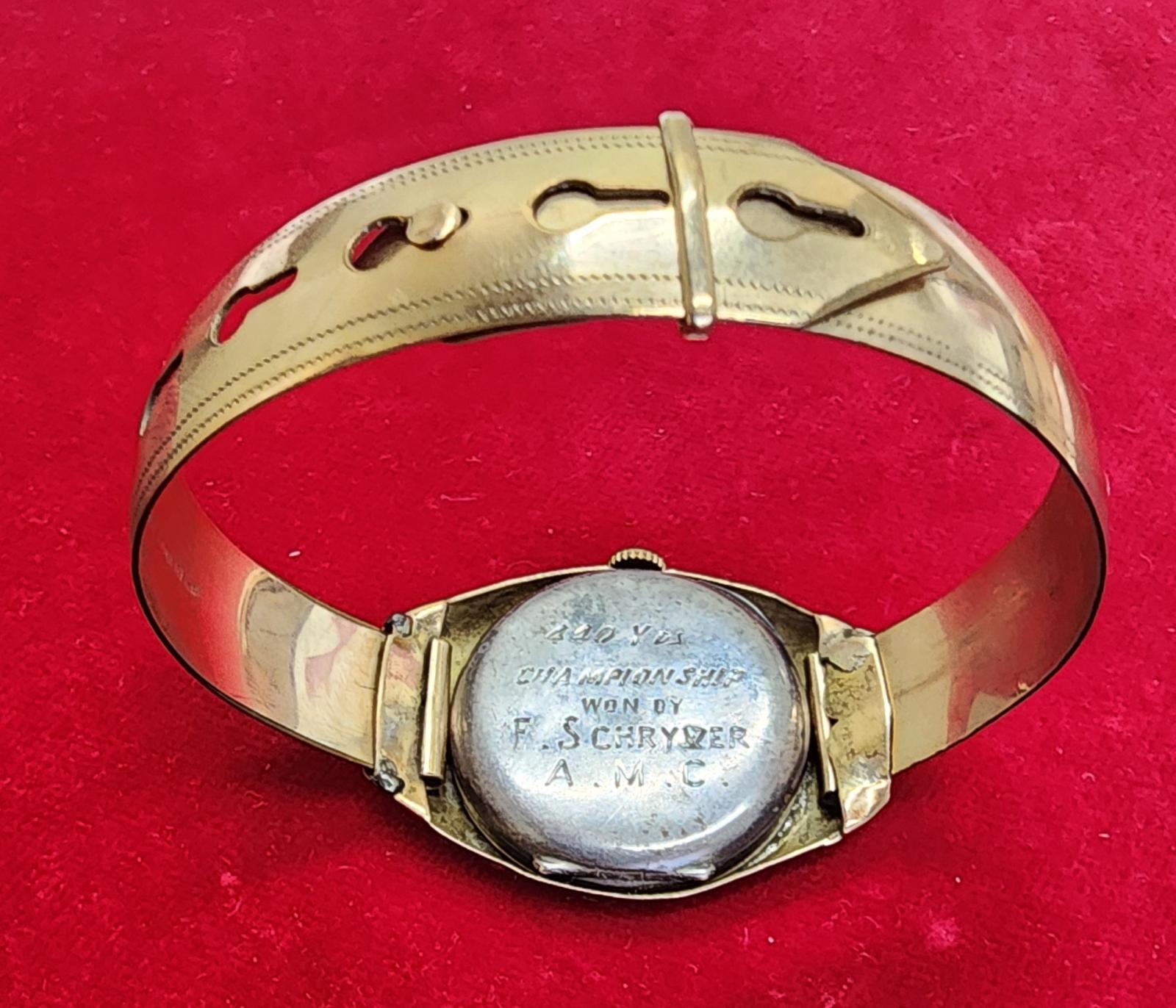
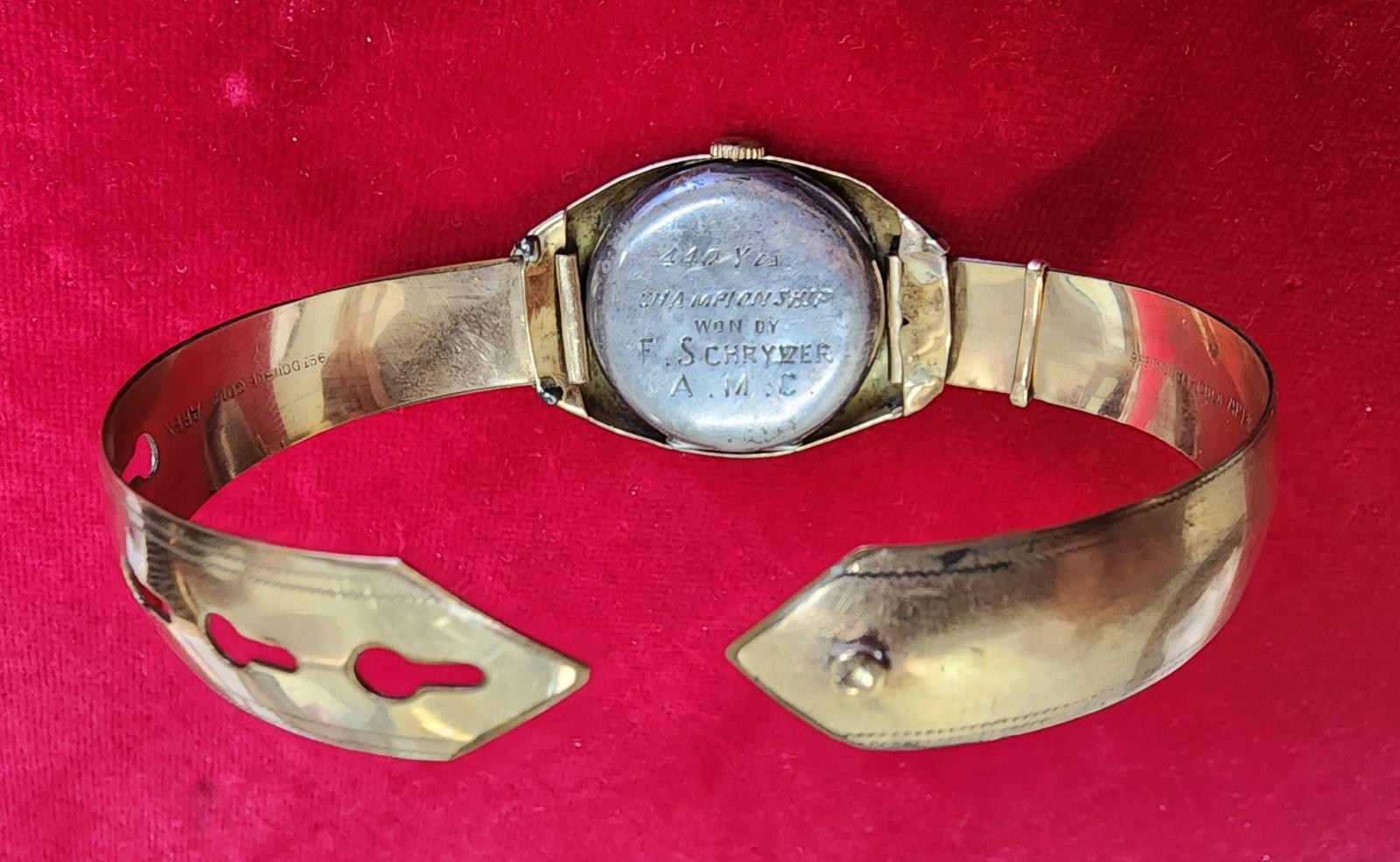
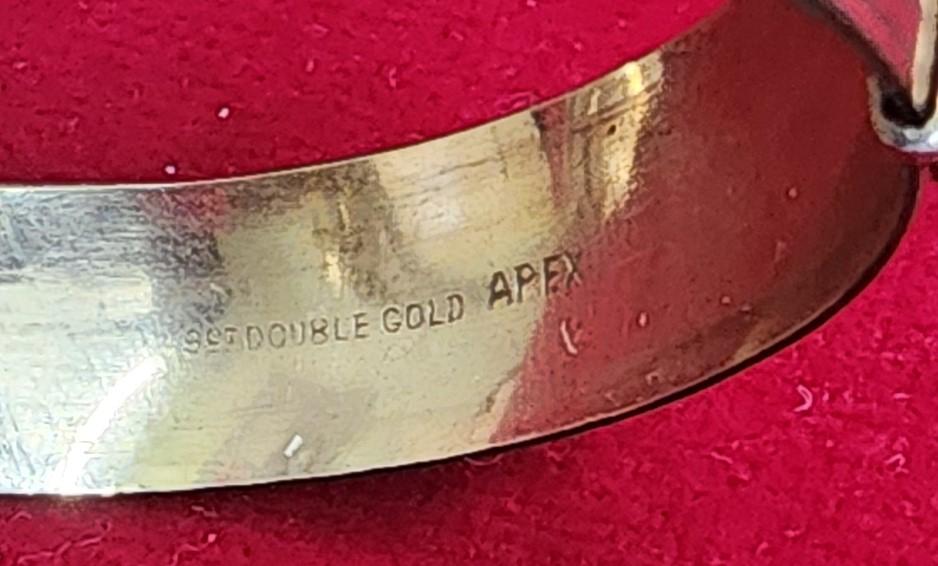
1914 - 1918Gold watch awarded to 1761 Sergeant Frank Schryver, Australian Army Medical Corps from 1st Avenue, Maylands.as first prize for winning a 440 yards swimming event at 4 Divisional Sports Meet in 1917.
Francis Esdale “Frank” Schryver (1888–1965), known as “Snow,” was born in Perth to an American father and Australian mother. He lived in Mount Lawley from about 1909 before moving to East Perth around 1920. A gifted swimmer, Frank gained international recognition in 1912 when he travelled to England and placed third in the King’s Cup life-saving event. His success led to his selection in the Australian Olympic team, making him Western Australia’s first Olympian. At the 1912 Stockholm Olympics, he competed in the heats of the 200 and 400 metres breaststroke.
At nearly 24, Frank enlisted in the First World War while working as a painter. He departed Australia in December 1914 and landed at Gallipoli in April 1915 with the Mediterranean Expeditionary Forces. Promoted to Corporal in March 1916, he later served in France as a stretcher-bearer with the 13th Field Ambulance Brigade and the 2nd Australian Stationary Hospital. He was promoted to Sergeant in June 1917 and was awarded the Military Medal two months later, followed by the Distinguished Conduct Medal in December 1917. In April 1918, Frank sustained a severe gunshot wound to the head and was sent to England before returning to Australia. He was discharged in November 1918 as medically unfit.
In 1919, Frank married Rachel Martha Smith, and they had three sons. He later served again during the Second World War in the Citizen Military Forces. Frank died in East Perth in 1965, and Rachel died in 1993.
Details
Details
Citation for Distinguished Conduct Medal
For conspicuous gallantry and devotion to duty when in charge of a bearer subdivision. He tended the many wounded without adequate protection from early dawn till dusk, under heavy shell fire. When a shell struck a cupola in whjch he was sheltering, killing one man and wounding and burying five others, though badly shaken, he, unaided, under incessant shelling, succeeded in digging out these five men, and after tending their wounds obtained stretcher squads for their evacuation.'
Source: 'Commonwealth Gazette' No. 110
Date: 25 July 1918
The 2nd Australian Stationary Hospital was formed in Western Australia in August 1914, with its initial staff departing Fremantle aboard HMAT Kyarra on 4 December 1914. The unit was first established at Mena Camp, Egypt, in January 1915, where its primary role was the treatment of venereal diseases. In June 1915, it relocated to East Mudros on the island of Lemnos to support the Gallipoli campaign.
Initially staffed by eight officers, 90 other ranks, and 25 nurses drawn from the 3rd Australian General Hospital and Canadian Stationary Hospitals, the unit expanded rapidly due to the influx of sick and wounded from the Gallipoli Peninsula. As part of an urgent reorganisation to develop Lemnos as an intermediate medical base, the hospital moved to West Mudros on 4 August 1915, occupying a remote, undeveloped hillside. By 13 August, it was treating 763 patients. Nursing staff were reinforced with detachments from Australian, Canadian, and British medical units, including the replacement of the 30th British Field Ambulance personnel on 16 August.
By September–October 1915, the hospital comprised 60 large marquee tents, accommodated 1,200 beds, and was staffed by 25 nursing sisters, contributing to a total of approximately 130 Australian nurses on Lemnos. Following the evacuation of Gallipoli, the hospital left Lemnos on 20 January 1916, arriving in Alexandria before moving to Tel-el Kebir.
Over the next three years, the unit relocated several times within Egypt, serving at Port Said, Mahamdrya, El Arish, and Moascar, where it treated venereal disease cases, casualties, and general illnesses. The final contingent departed Egypt for Australia on 15 June 1919.
Australian Army Museum of Western Australia
Australian Army Museum of Western Australia
Other items from Australian Army Museum of Western Australia
-
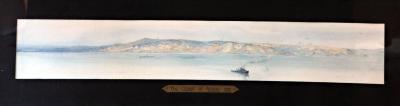
World War 1, South West Asia, Türkiye, Gallipoli, Suvla Bay to Gabba Tepe, MOORE-JONES, 1915
-
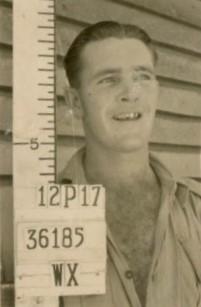
World War 2, Western Australia, Rottnest Island Enlistments, W39192 to WX36185 LAWSON, 1942
-
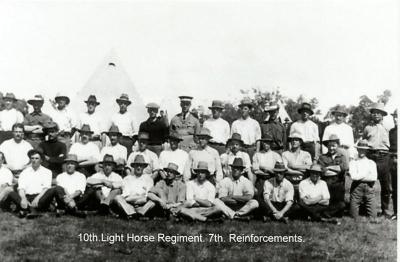
World War 1, Western Australia, 7th Reinforcement, 10 Light Horse, 1915
-
World War 1, Western Australia, 6th Reinforcement, 10 Light Horse, 1915

-
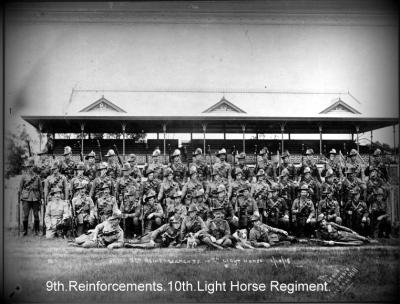
World War 1, Western Australia, 9th Reinforcement, 10 Light Horse, 1915
-
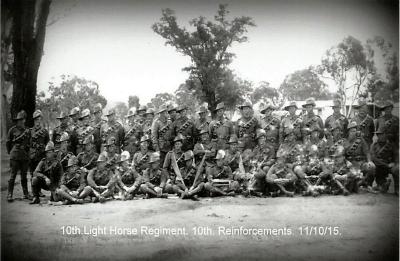
World War 1, Western Australia, 10th Reinforcement, 10 Light Horse, 1915
-
World War 1, Western Australia, 17th Reinforcement, 10 Light Horse, 1916

-
Post 1945, Central Asia, Afghanistan, Australian Army , 2001-2021
-
Post 1945, Central Asia, Afghanistan, Australian Army, 2001-2021
-
Post 1945, Central Asia, Afghanistan, Australian Army, 2001-2021
-
Post 1945, Central Asia, Afghanistan, Australian Army, 2001-2021
-
Post 1945, Central Asia, Afghanistan, Australian Army 2001-2021

Scan this QR code to open this page on your phone ->
